McDonald’s Markets This Drink as “Real Fruit” Until You See the Sugar Content


The promise of a fruit smoothie often brings to mind a refreshing beverage made primarily from wholesome ingredients. At first glance, McDonald’s Mango Pineapple Real Fruit Smoothie appears to fit that expectation. The company highlights that the drink is blended with ice and real mango and pineapple purée, a description that is technically accurate and helps reinforce its fruity image.
A closer look at the ingredient list, however, reveals a more complex picture. Before mango and pineapple appear among the ingredients, several concentrated fruit juices and sweetening components contribute significantly to the beverage’s overall sugar content. While these ingredients originate from fruit sources, they also increase the amount of sugar present in each serving.
For consumers trying to make healthier choices, this distinction matters. Many people associate fruit-based drinks with balanced nutrition, yet the nutritional profile of a smoothie can differ considerably from that of whole fruit. Understanding what contributes to the sweetness can help customers make more informed decisions about what they drink.
The Hidden Sources Of Sugar In The Smoothie

One of the most notable aspects of McDonald’s Mango Pineapple Real Fruit Smoothie is the amount of sugar it contains. A medium-sized serving delivers 57 grams of sugar, a figure that may surprise customers who view the beverage as a fruit-focused alternative to soft drinks or milkshakes.
Much of this sweetness comes from concentrated fruit ingredients, including pineapple juice concentrate, orange juice concentrate, and apple juice concentrate. Although these ingredients are derived from fruit, the concentration process increases the sugar density while reducing some of the characteristics people typically associate with fresh produce.
Another clue can be found in the smoothie’s fiber content. A medium serving contains only 3 grams of fiber, a relatively modest amount considering the fruit-forward branding. Whole fruits naturally contain more fiber, which plays an important role in digestion and can help moderate the body’s absorption of sugar.
What Else Is Inside The Drink?
Beyond fruit purées and juice concentrates, the smoothie also contains several ingredients designed to improve texture, consistency, and shelf stability. These additives are commonly used throughout the food industry and serve specific functional purposes in processed beverages.
Among them is xanthan gum, an ingredient frequently added to help thicken liquids and maintain a smooth consistency. Cellulose powder, which is derived from plant fibers, can also contribute to the beverage’s texture. Acetylated monoglycerides are included to create a more uniform and appealing mouthfeel.
Although these ingredients may sound unfamiliar, they are generally recognized as safe for consumption. Their presence does not necessarily make the smoothie unhealthy, but it does highlight the difference between a commercially produced beverage and one made from whole fruit ingredients blended at home.
How Homemade Smoothies Compare
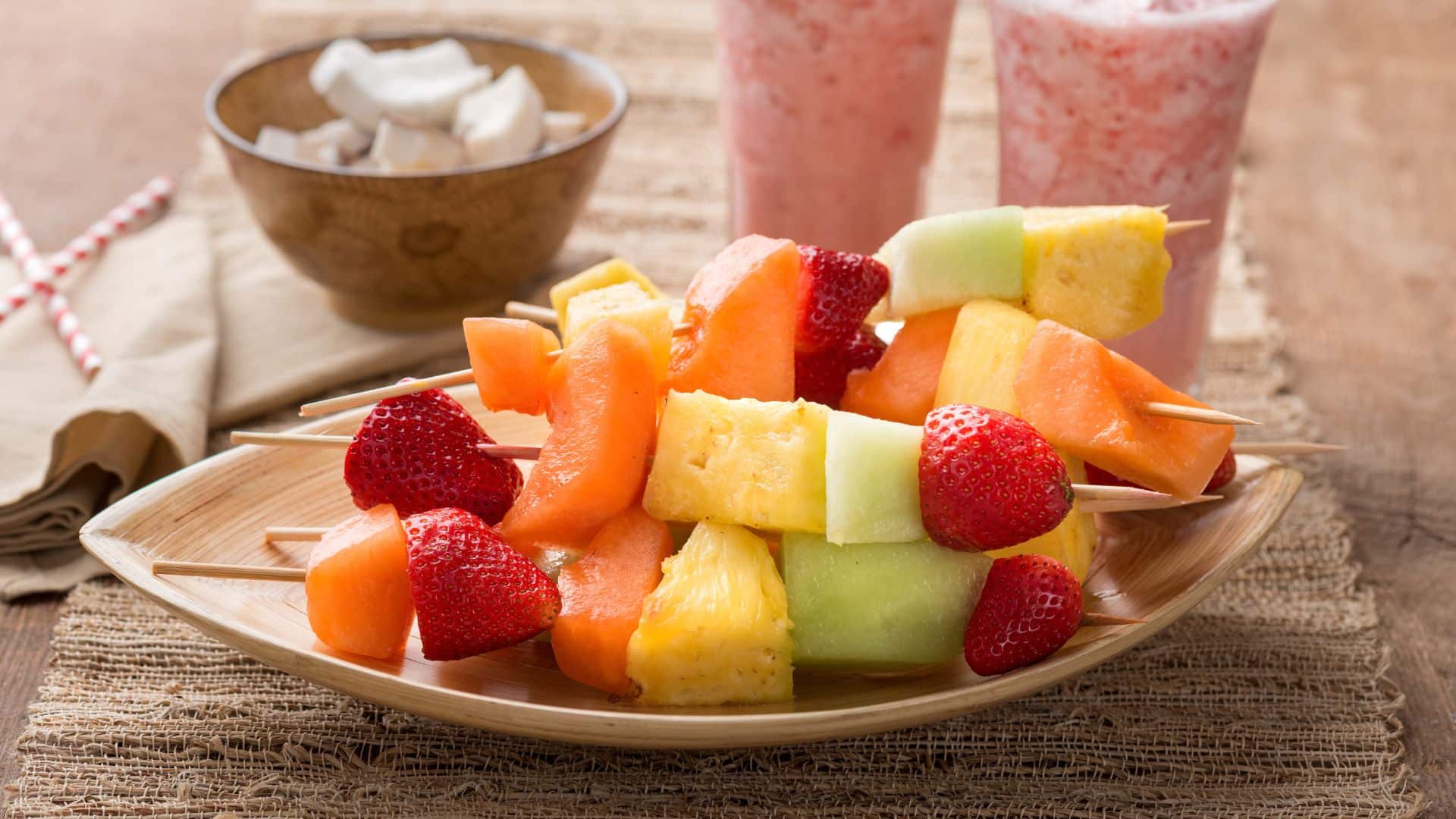
Preparing a similar smoothie at home offers a useful point of comparison. A blend made with frozen mango and pineapple can provide the same tropical flavor profile while typically containing less sugar and more fiber than the fast food version. The exact nutritional values will vary depending on the ingredients used, but whole fruits generally retain more of their natural fiber.
Homemade smoothies also give people complete control over what goes into the blender. Ingredients such as plain yogurt, nuts, seeds, or peanut butter can be added to increase protein content and create a more balanced drink. Those looking for extra thickness can even incorporate small amounts of stabilizing ingredients if desired.
The comparison underscores an important lesson about packaged and restaurant beverages. Labels that emphasize real fruit may still describe products that contain significant amounts of concentrated sugars and processing aids. Taking a moment to review ingredient lists and nutrition facts can provide a clearer understanding of what is actually in the cup.

