New York City Allocates $70 Million to Launch Five Government-Run Grocery Stores
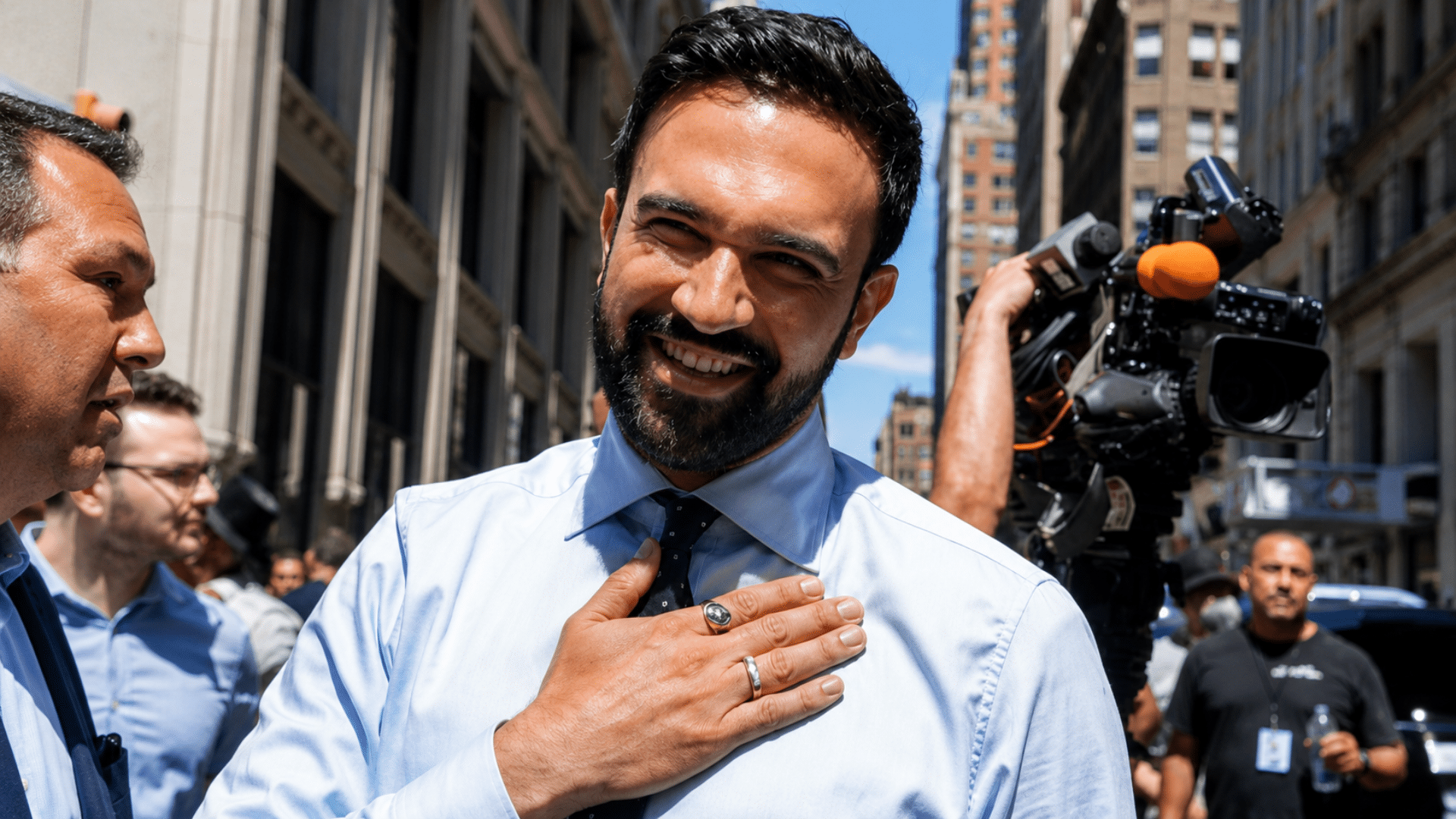

A city is not supposed to compete with the grocery store down the block. That assumption is exactly what New York Mayor Zohran Mamdani is testing. “Grocery prices are rising faster than wages, so we’re launching 5 municipal grocery stores with lower prices,” he announced on X on June 5. The city itself, not a private chain, will own the buildings and absorb the costs. Few American cities have tried anything like it at this scale.
The plan has a name, NYC Groceries, and a clear target. Run by the New York City Economic Development Corporation, the initiative will place one store in each of the five boroughs, with the first locations opening before the end of Mamdani’s current term. The city has committed $70 million in capital funds toward construction across all five sites. That is public money spent on something private supermarkets have always handled alone.
Behind that number sits a much bigger structural question. New York is not simply subsidizing cheaper milk and bread. It is rewriting who owns the real estate, who absorbs the risk, and who decides what counts as a fair price on a shelf. Supporters call it overdue intervention in a broken system. Critics see something closer to government competing directly with the small businesses it is supposed to support, and that tension only sharpens once the actual mechanics come into view.
The City Will Own the Land and Cover the Rent, While a Private Company Runs the Register
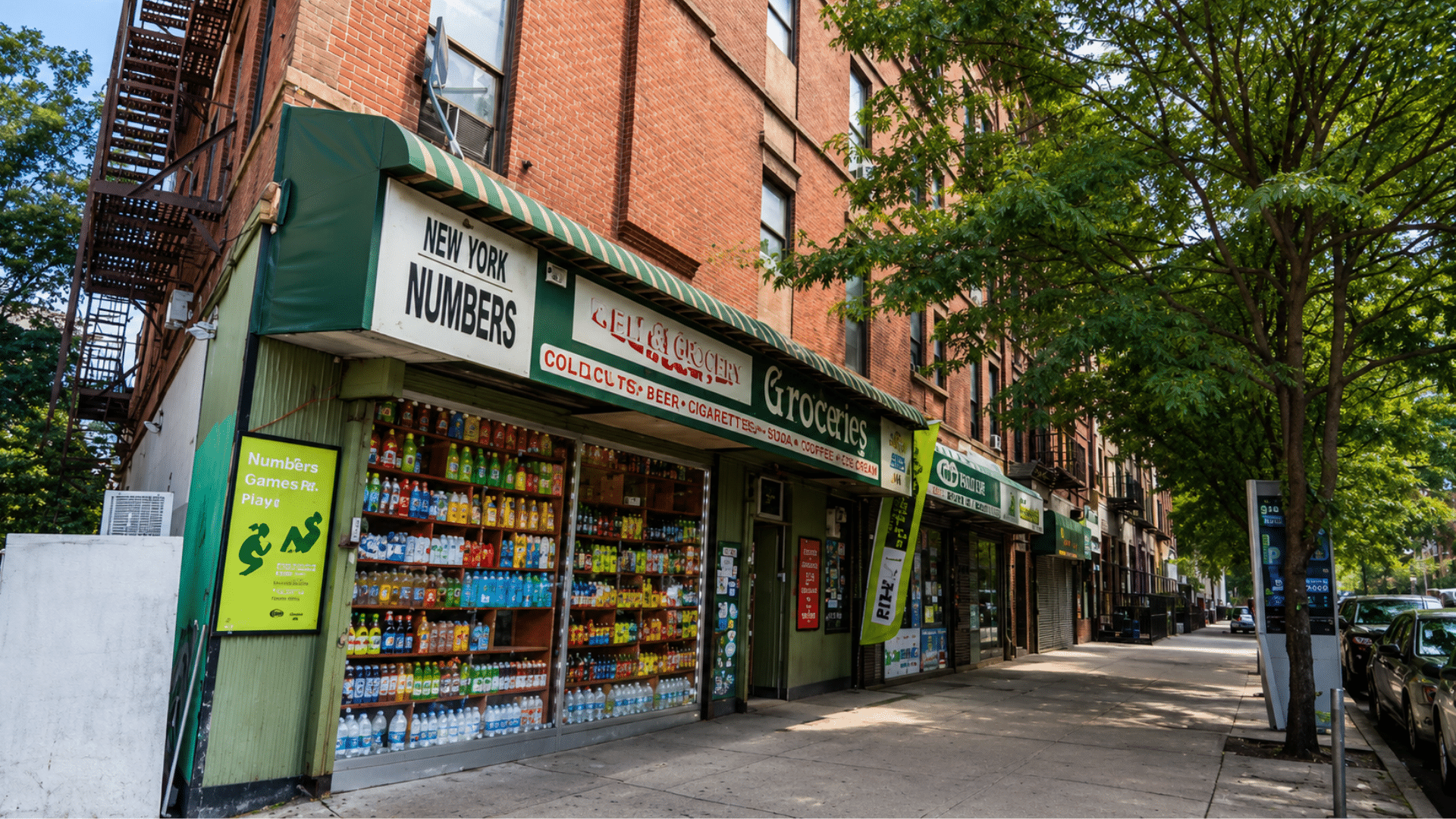
NYC Groceries is not a city-run supermarket chain in the traditional sense. The city will own the land beneath every store and cover major expenses like construction costs and rent. Daily operations, hiring, and stocking will fall to private operators chosen through a public tender process. That arrangement removes the two costs that crush most small grocers: real estate and rent, both absorbed entirely by the city instead of the business running the store.
In exchange for that support, operators are required to pass savings on to shoppers. The program states it will deliver “affordable, high-quality groceries that provide meaningful savings to New Yorkers and strengthen neighborhood food access citywide,” according to NYCEDC’s official description of the initiative. Lower prices are not a marketing promise here. They are the contractual condition attached to public money, with the city effectively underwriting a business model no private grocer could otherwise afford.
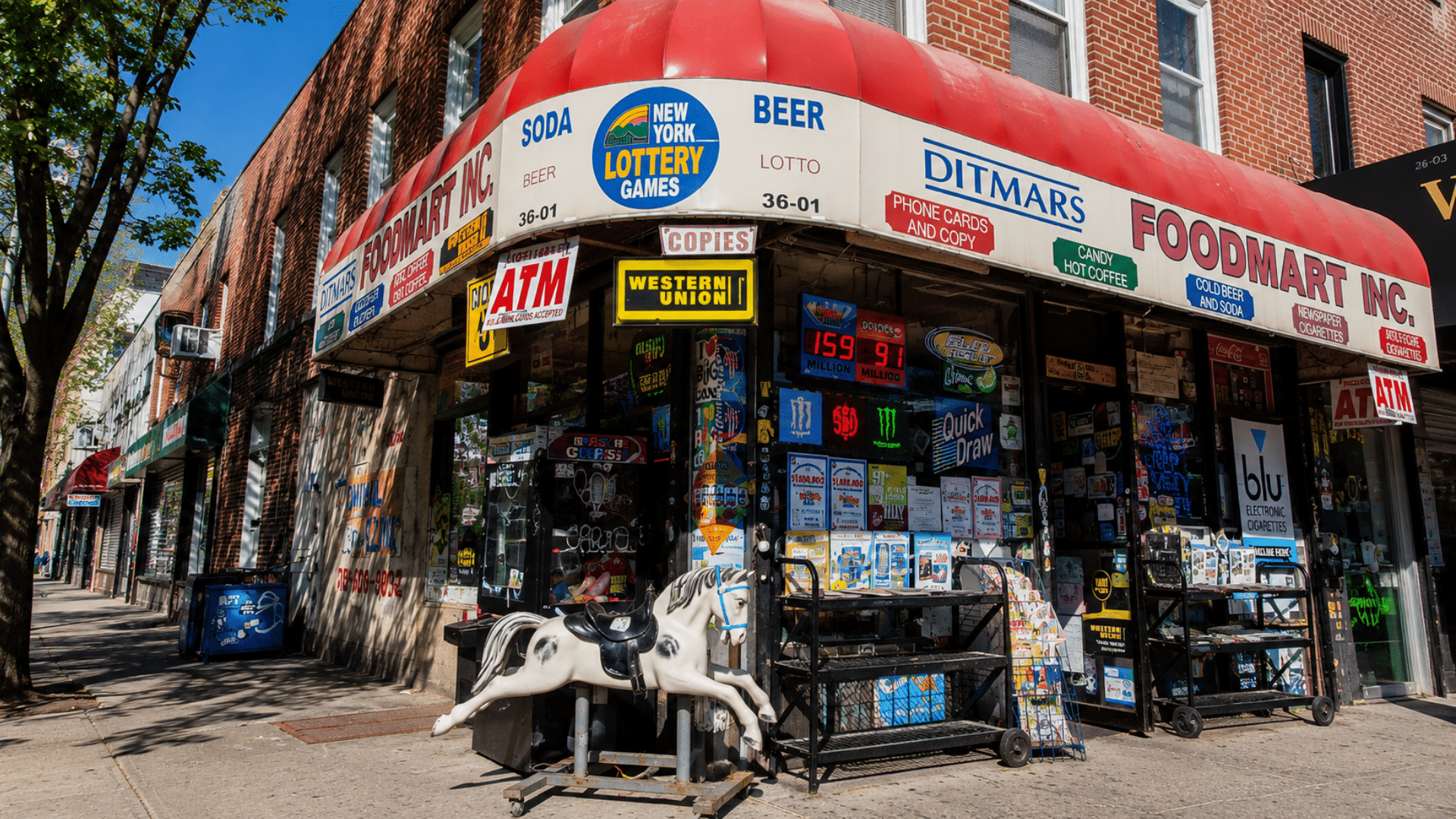
That underwriting is precisely what worries critics watching from outside city government. A private grocer down the street still pays full rent, full taxes, and full financing costs with no public backstop. NYC Groceries pays none of those. Whether that gap helps struggling neighborhoods or quietly undercuts the small businesses already serving them depends entirely on where these first stores land, and the city has already made its first, deliberate choice.
The First Store Opens in Hunts Point, a Neighborhood NYCEDC Says Was “Neglected in the Past”
The first NYC Groceries location will not open in a wealthy or central part of Manhattan. It will open in The Peninsula, a mixed-use development in Hunts Point in the South Bronx that combines affordable housing, retail, and community space. The site was chosen deliberately, not by convenience. Jeanny Pak, president and interim CEO of NYCEDC, called the selection “a historic win for Hunts Point,” noting the Bronx store will serve a community “that has been neglected in the past.”
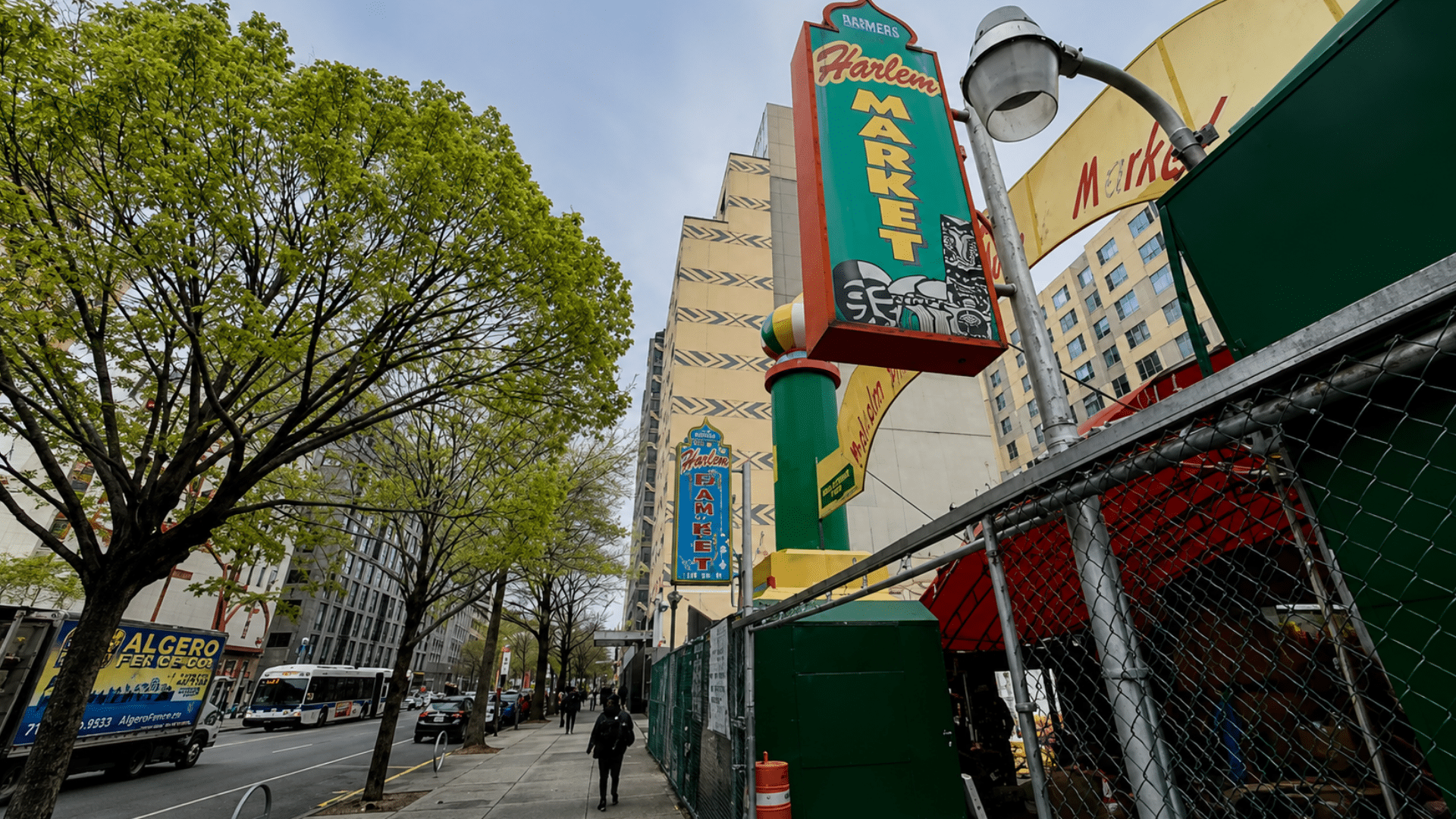
The numbers attached to this first store are specific enough to measure against the city’s promises. The Peninsula location will span 20,000 square feet and cost $10 million to construct, with an opening targeted for the end of 2027. A second store is already planned for La Marqueta in East Harlem, a historic municipal market in Manhattan, occupying roughly 9,000 square feet and slated to open in 2029, according to Time.
Two stores, two boroughs, two firm dates: that is the entire plan so far. Brooklyn, Queens, and Staten Island have no announced sites, no construction budgets, and no opening timelines. The city has built its case for NYC Groceries entirely on its two most economically strained borough launches. Whether the remaining three follow on schedule, or whether the whole experiment holds up under scrutiny, is now a fight playing out inside City Hall itself.
A City Councilwoman Wants to Make Municipal Supermarkets Permanent, Before a Future Mayor Can Kill Them
NYC Groceries was built on Mamdani’s personal initiative, which means it could disappear the moment he leaves office. That vulnerability has not gone unnoticed inside the City Council. Councilwoman Jennifer Gutiérrez has already proposed turning the program into a permanent legal requirement, rather than a policy tied to one mayor’s term. Her argument is structural: a five-store pilot program means nothing if the next administration can simply stop funding it.
That push for permanence reveals the real stakes hiding underneath the grocery shelves. NYC Groceries is not just a response to rising prices. It is an attempt to build a permanent, taxpayer-backed alternative to private grocery retail inside some of the city’s poorest neighborhoods, one that survives elections by becoming law instead of policy. Progressive supporters see a model worth protecting. Opponents see a government-subsidized competitor that small grocers can never legally match.
What happens in Hunts Point by the end of 2027 will not just test whether municipal groceries can lower prices. It will test whether a major American city can permanently insert itself into a market it has never run before, one beam, one lease, and one subsidized register at a time. If Gutiérrez succeeds, the next mayor will inherit five city-owned grocery stores whether they want them or not.