O’Charley’s Closes Its Remaining Restaurants Nationwide After 55 Years
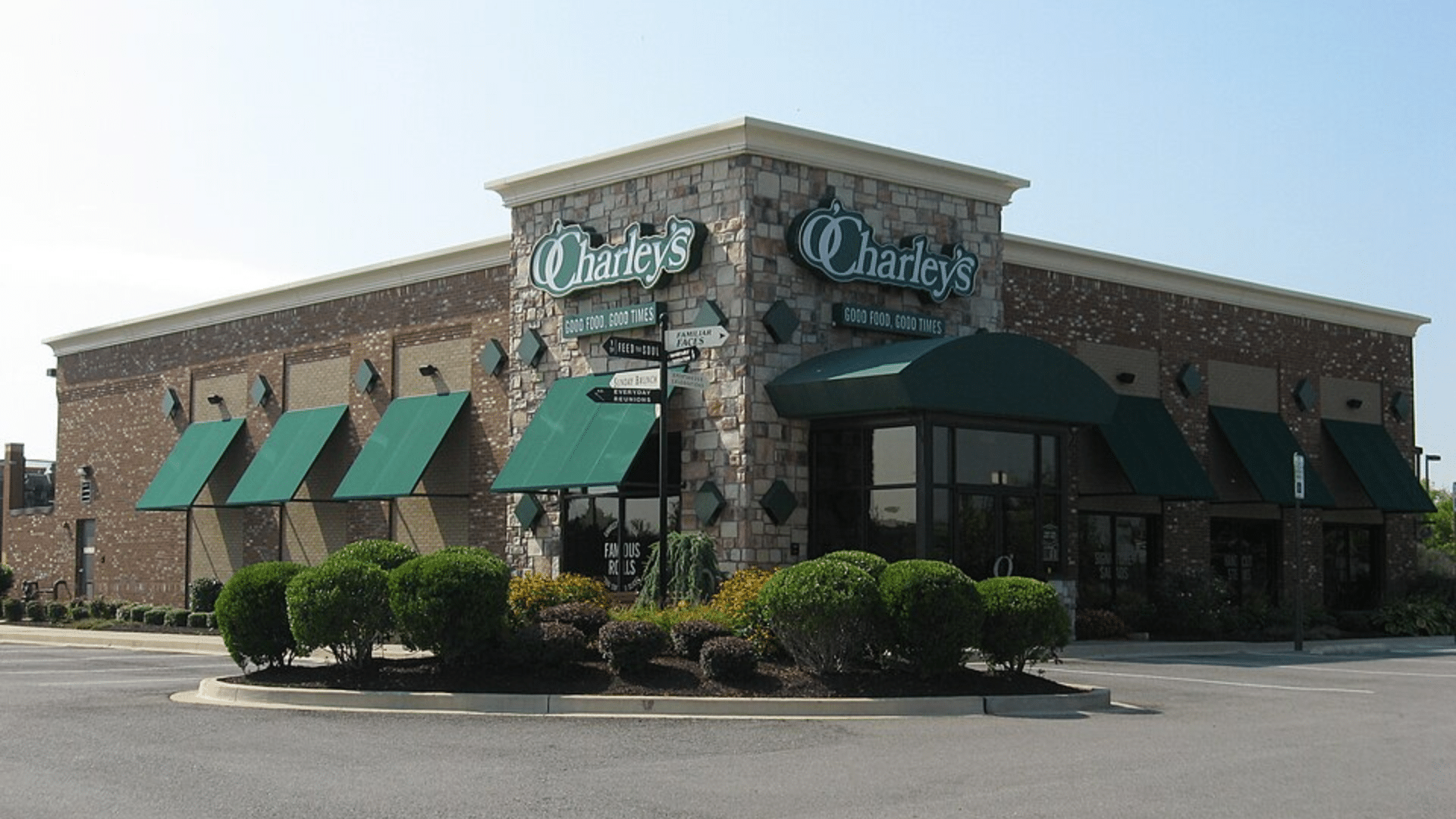

O’Charley’s Restaurant & Bar has reached the end of its long run as a major American casual dining chain. The Nashville-founded restaurant closed all of its remaining company-owned locations nationwide on September 9, 2026, ending 55 years of corporate operations and leaving longtime customers and employees surprised by the abrupt shutdown.
The chain was founded in 1971 by Charles Watkins on 21st Avenue near Vanderbilt University in Nashville, Tennessee. After Watkins sold the business in 1984, new ownership expanded O’Charley’s substantially, with the company reaching about 45 restaurants by 1993 and eventually growing to nearly 250 locations at its peak.
By early 2026, however, the chain had been reduced to roughly 52 restaurants, and its corporate footprint had continued shrinking throughout the year. The final closures reportedly came with little notice for many employees, while the company’s website and social media accounts were also taken offline around the time of the shutdown.
A Once-Growing Chain Had Been Shrinking for Years
O’Charley’s decline did not happen overnight. The company had been closing restaurants since 2016, and in 2023 management announced plans to reduce its restaurant portfolio by about 17%, with the strategy focused on closing underperforming locations and preserving cash flow. The goal was to create a smaller business built around restaurants that could generate stronger returns.
That strategy ultimately failed to reverse the chain’s financial problems. Cannae Holdings, which owns O’Charley’s, reported that guest counts fell 23.8% during the second quarter of 2026 compared with the same period a year earlier, while comparable-store sales dropped 13.1%. Comparable sales were also down 12.8% during the first six months of the year.
Management had attempted to stabilize the brand through menu changes, improvements to the guest experience and additional closures of underperforming restaurants. Four locations were closed during the second quarter alone, but the continued decline in traffic and sales showed how difficult it had become for the chain to regain momentum.
The Restaurant Was Known for Southern Comfort Food

For generations of customers, O’Charley’s was more than another casual restaurant. The brand built its identity around Southern-inspired comfort food and a welcoming restaurant atmosphere, with popular menu items including hand-breaded chicken tenders, signature honey mustard dressing and complimentary rolls. Those familiar offerings became part of the restaurant’s identity for longtime diners.
The chain also became part of the communities where it operated. Former employees and customers interviewed after the closures described restaurants as places where they celebrated milestones, built friendships and made memories. The emotional reaction was especially strong in Tennessee, where the brand was founded and where several of its remaining restaurants were located.
Although the corporate-operated restaurants have now closed, the O’Charley’s story is not necessarily ending at exactly the same moment everywhere. Some franchised restaurants have reportedly remained open temporarily, with individual locations expected to make their own closure decisions based on their circumstances.
The End of O’Charley’s Reflects a Bigger Restaurant Challenge
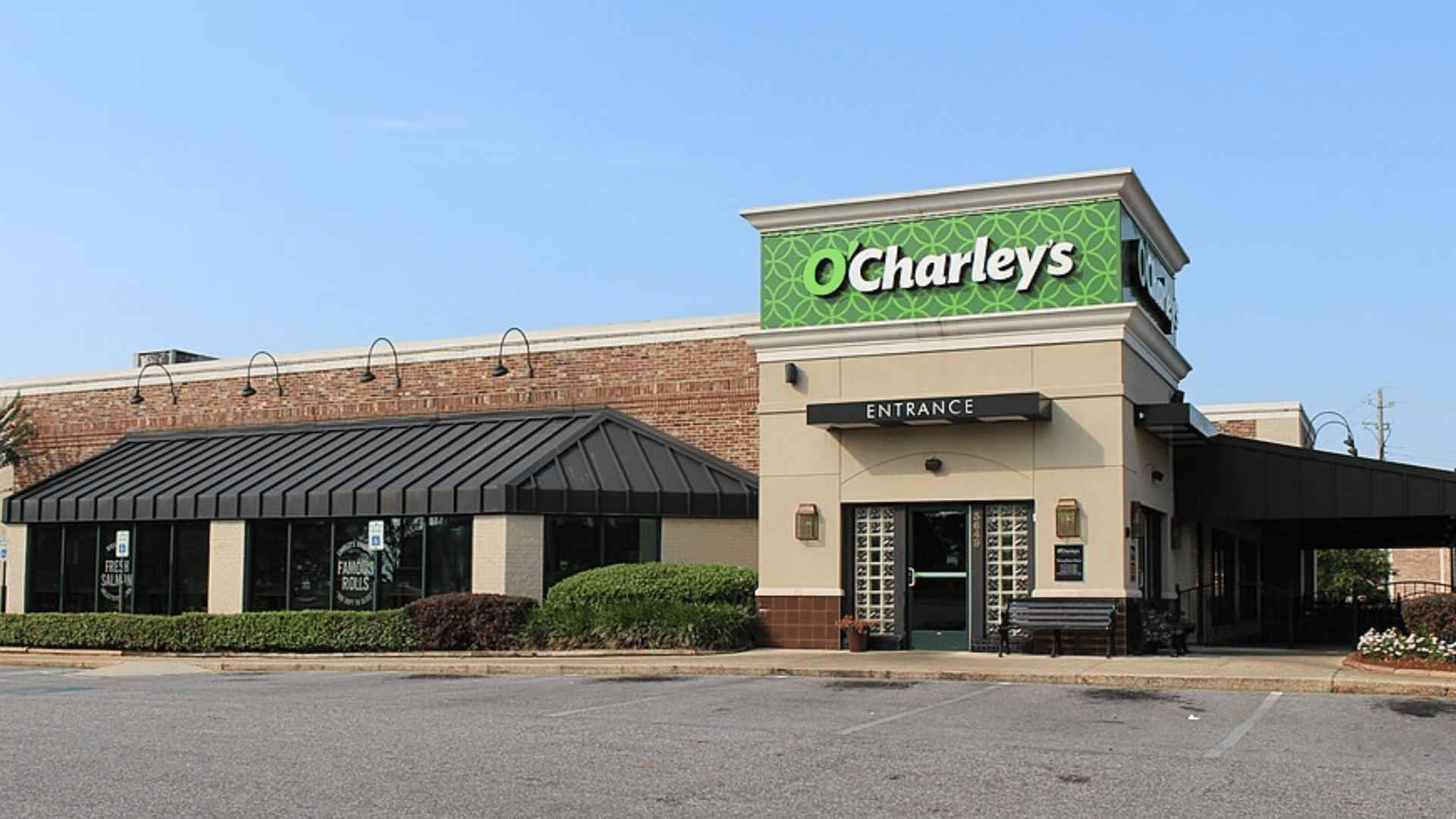
The collapse of O’Charley’s highlights the difficult environment facing many traditional full-service restaurant chains. Higher labor and food costs, elevated menu prices, changing consumer habits and weaker customer traffic have created significant pressure for brands that depend on customers regularly dining inside their restaurants.
O’Charley’s had already attempted to respond by shrinking its footprint and concentrating on stronger-performing restaurants, but the continuing decline in guests and sales proved too difficult to overcome. The company went rom nearly 250 restaurants at its peak to only a few dozen locations before the final corporate shutdown, representing a dramatic contraction over roughly two decades.
For longtime customers, the closure marks the loss of a familiar restaurant that remained part of communities for more than half a century. For the broader restaurant industry, O’Charley’s final shutdown is another example of how even established brands with decades of history can struggle when declining traffic, rising operating costs and changing consumer expectations become impossible to overcome.

