Oprah-Backed Restaurant Chain Closes 12 Locations as It Faces $42 Million in Debt
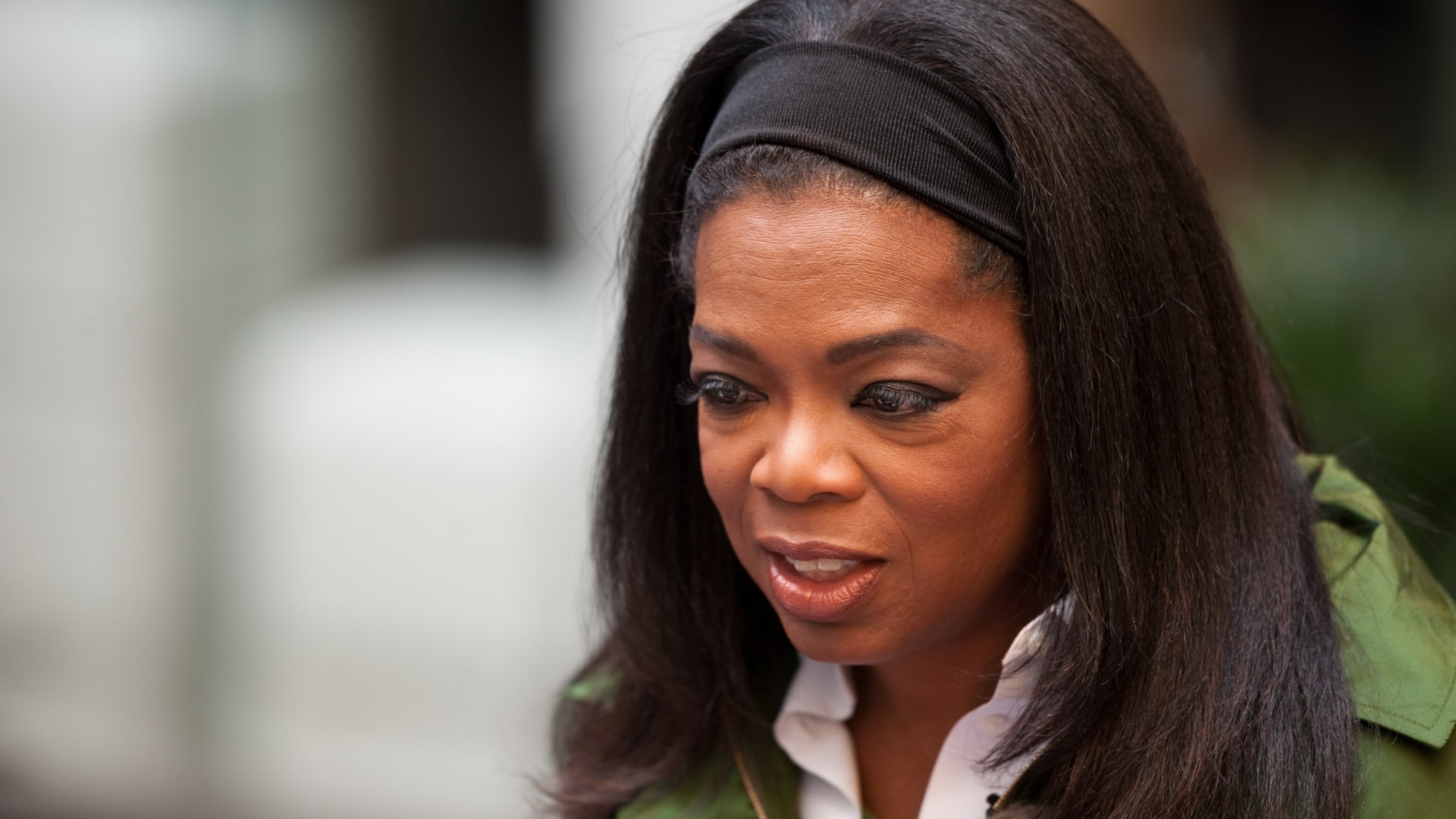

On Sunday, October 4, a dozen True Food Kitchen restaurants served their final customers. By that evening, the Phoenix-based chain, which counts Oprah Winfrey among its backers, had filed for Chapter 11 bankruptcy protection in Texas. Court papers list roughly $42 million in debt and describe a company that had been under strain for years. One figure buried in those filings shows just how little cushion the chain had on the day it filed.
True Food Kitchen Entered Bankruptcy With About $1.6 Million in Cash, Roughly Two Weeks of Runway
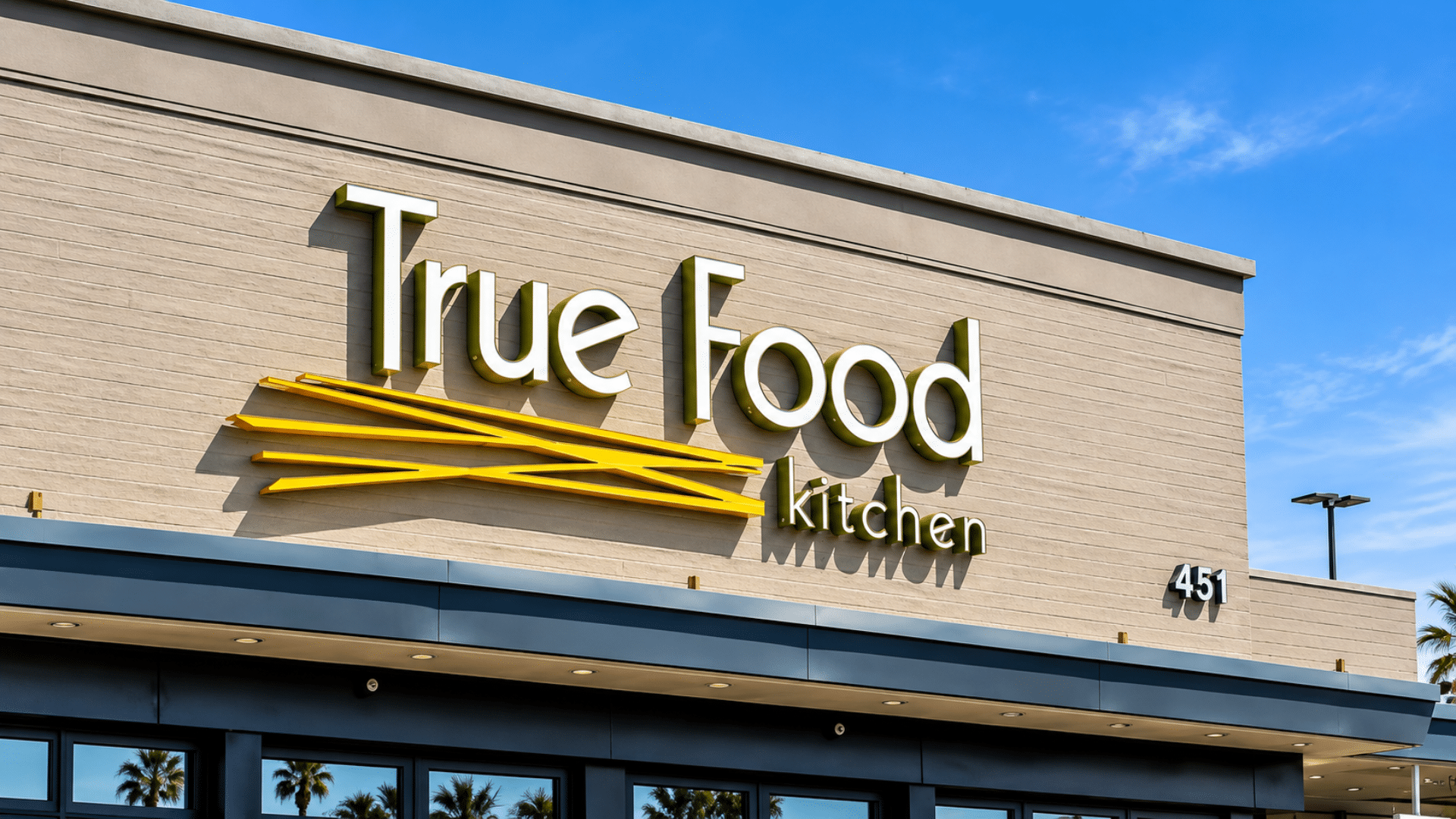
According to a financial adviser’s statement in court documents, reported by Fox Business, True Food Kitchen held about $1.6 million in unrestricted cash when it filed. That amount could cover operations and bankruptcy expenses for only about two weeks without outside financing. For a chain that had grown to 46 restaurants, it was a remarkably small cushion. Before filing, the company had lined up a lender to cover the gap, and the court papers name it.
HumanCo Commits About $20 Million to Keep True Food Kitchen’s Doors Open Through Bankruptcy

The lender is HumanCo TFK IV, which committed about $20 million in debtor-in-possession financing, subject to court approval, according to Fast Casual. Combined with cash from operations, the money is meant to carry the company through Chapter 11 and a court-supervised sale. CEO Jeff Chandler, who took over in July, called the process “the best path forward” to simplify the business. A sale means the company is looking for a buyer, and it has described exactly what kind.
Oprah Winfrey Remains a Minority Investor but No Longer Sits on the Board

Winfrey invested in True Food Kitchen in 2018 and joined its board of directors, giving the wellness brand a famous face. A company spokesperson told Business Insider she remains a minority investor but has left the board and has no role in daily operations. Hers is the name most readers recognize, yet the bankruptcy filing looks elsewhere to explain the decline, starting with who has been running the company.
A CEO Exit, an Interim Leader and a New Hire: Turnover at the Top Reshaped True Food Kitchen

Chief restructuring officer Nathan Cook told the court that significant management turnover led to shifts in growth plans, brand strategy and menu offerings, Restaurant Dive reported. According to Nation’s Restaurant News, CEO John Williams resigned in December 2024, Jim Dunn led on an interim basis, and Chandler was hired this year. The chain kept changing direction while the leadership chair kept changing hands. A choice made years earlier, during the pandemic, was still weighing on the business.
Pandemic-Era Ghost Kitchens Hurt the Guest Experience, According to True Food Kitchen’s Filing
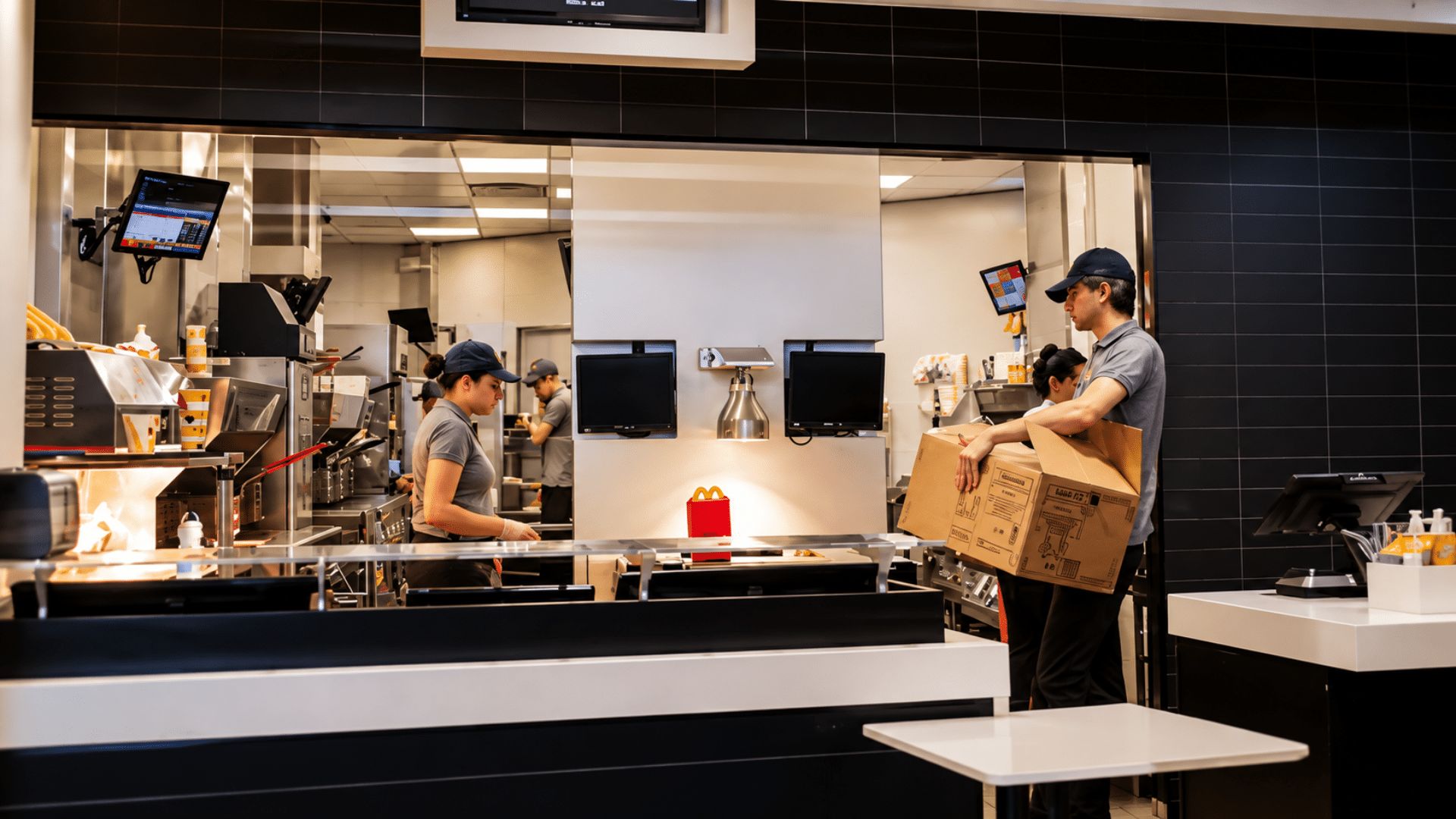
During the COVID-19 pandemic, True Food Kitchen converted some locations into ghost kitchens and opened an off-site kitchen for delivery-only orders. The company’s filing says that pivot hurt the customer experience, and it also cites a July cyclospora outbreak as an aggravating factor, Bisnow reported. Cook said the financial distress had been building since the pandemic, a period when the chain was still expanding. Growth came with a price, and part of it was paid through an unusual kind of borrowing.
Merchant Cash Advances Sit Among True Food Kitchen’s $42.1 Million in Debt

Court documents put True Food Kitchen’s total debt at about $42.1 million as of October 4, including merchant cash advance agreements with multiple vendors. Nine True Food entities joined the filing. The company also says it invested in new concepts that ended up outside its core menu and mission. Before filing, it hired a consulting firm to weigh ways to cut corporate debt, and the closures were part of that plan. Twelve addresses were chosen to go dark, spread across nine states.
From Century City to Reston: The 12 True Food Kitchen Restaurants That Closed
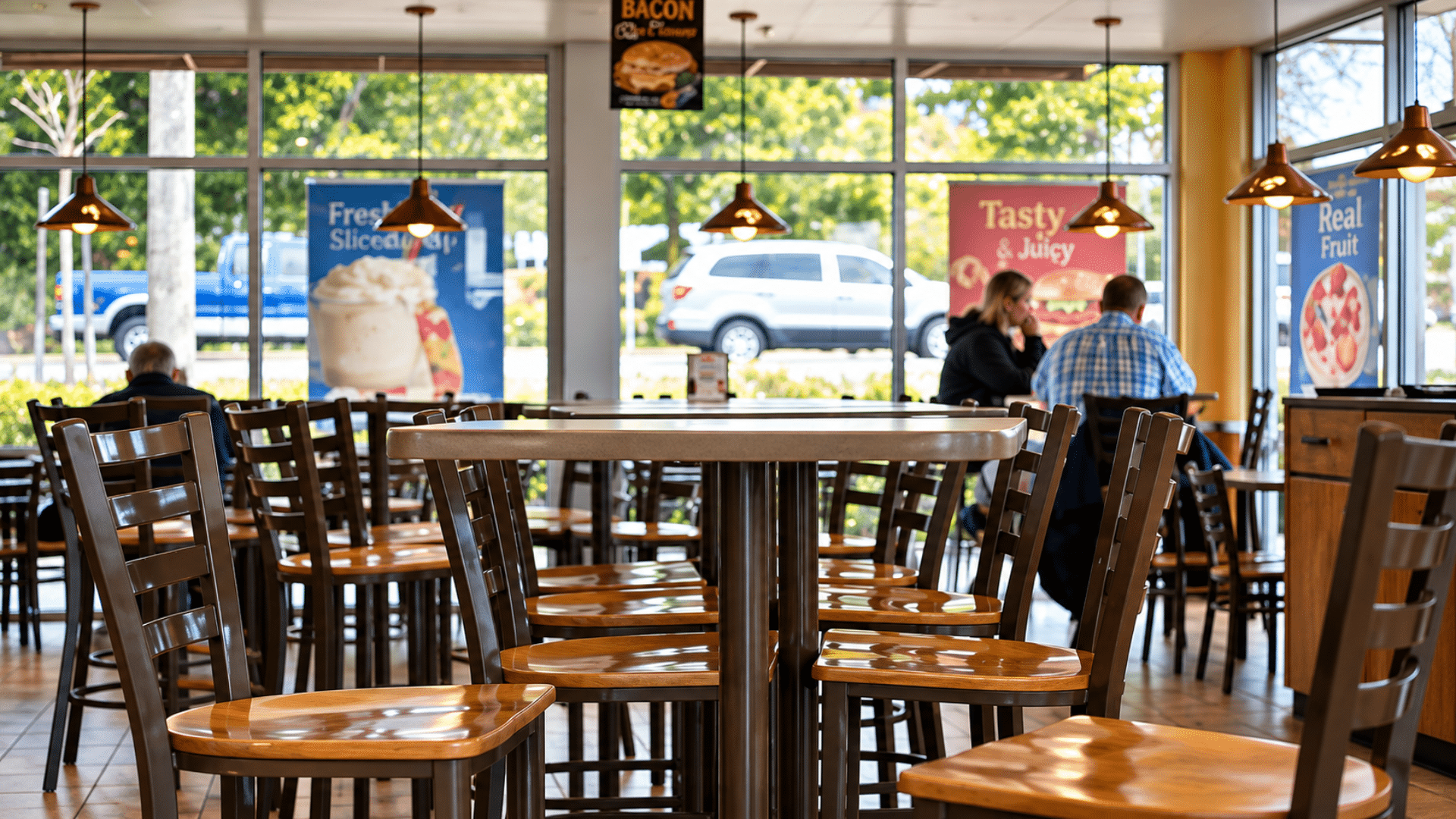
The closures hit Century City, El Segundo and San Diego in California; Miami; Chicago; New Orleans; Bethesda, Maryland; Edison and Hackensack in New Jersey; Garden City, New York; Columbus, Ohio; and Reston, Virginia. The Banner reported that 41 employees lost their jobs at the Bethesda restaurant alone. The two New Jersey sites were the chain’s only ones in that state. One group of restaurants, the ones closest to the company’s birthplace, came through untouched.
All 3 Arizona Restaurants Survive, but Lease Exits Are Already Underway at Other Locations
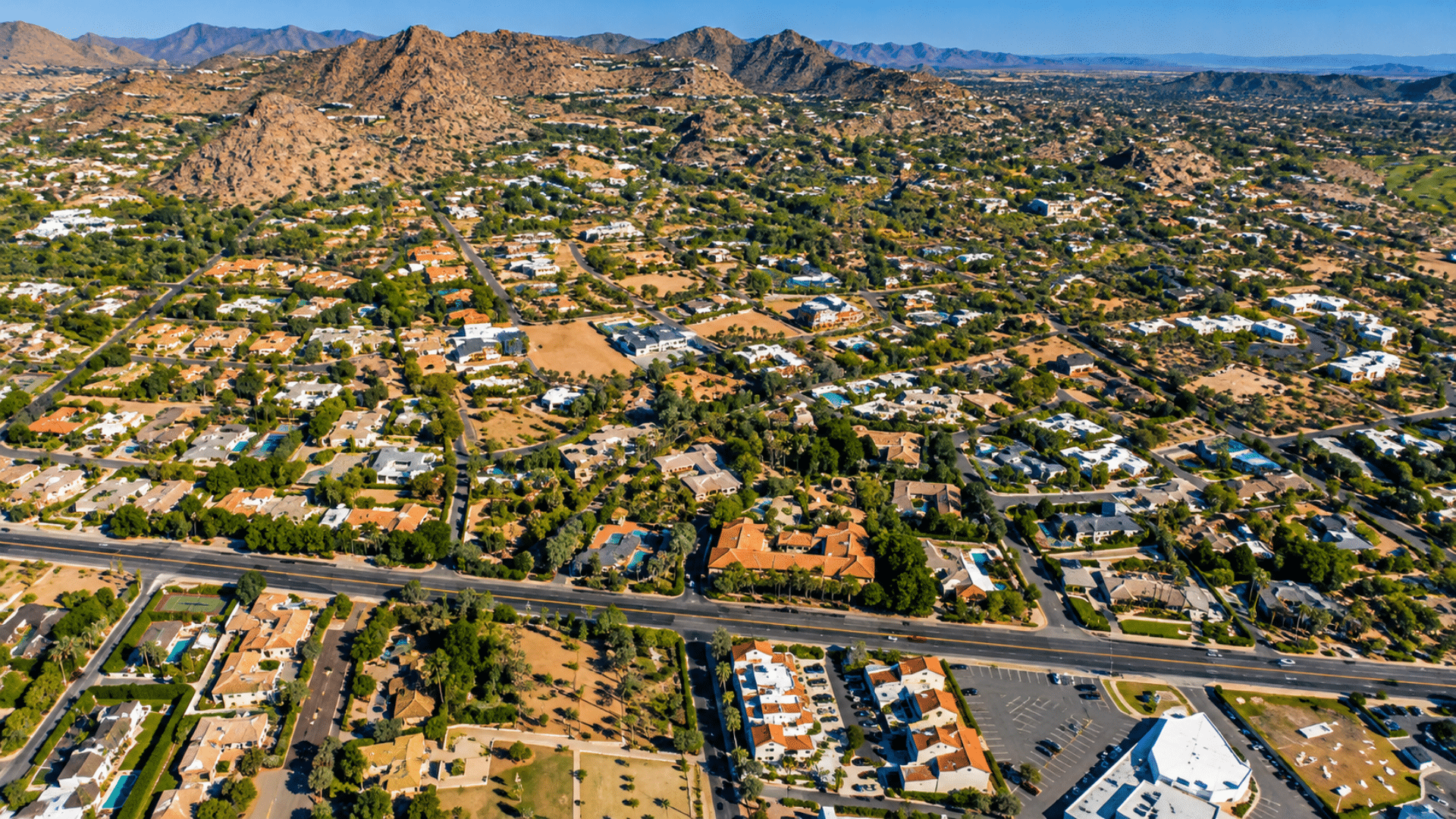
The surviving 34 restaurants span 14 states, and all three Arizona locations remain open, including the original at Biltmore Fashion Park in Phoenix where Dr. Andrew Weil opened the first True Food Kitchen. The company has asked the court to keep paying employee wages and benefits and to maintain certain guest programs. A court filing also shows it has already entered separate transactions to exit other leases, which raises the question of how many of the 34 will remain when the sale process ends.
A Celebrity Backer and a Pioneering Wellness Brand Could Not Offset Years of Leadership Churn
True Food Kitchen opened in 2008 as an early wellness-focused chain and grew to 46 restaurants. Court filings tie its Chapter 11 bankruptcy to management turnover, shifting strategies, pandemic-era decisions and about $42 million in debt. Winfrey’s investment, a new $20 million loan and a court-supervised sale now frame the chain’s path, with a Texas bankruptcy court overseeing each step.