
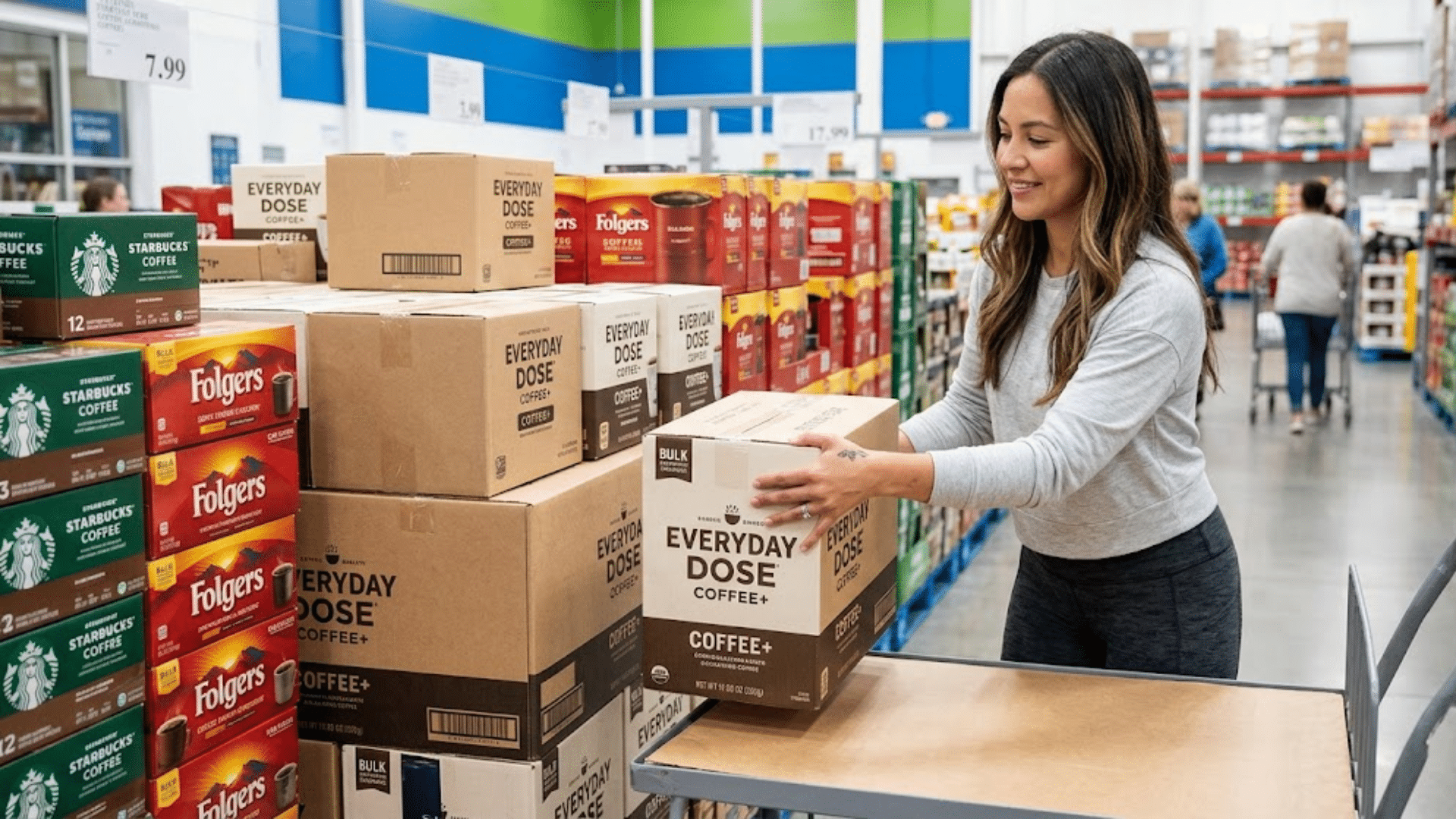
Coffee used to have one job: deliver caffeine and not much else. That expectation has quietly changed. Sam’s Club just added a coffee brand built entirely around the opposite idea, one that blends mushrooms, collagen, and calming compounds into the morning cup instead of just caffeine. Costco does not carry this specific brand, even though it stocks a rival mushroom coffee of its own. The gap between the two warehouse clubs says a lot about where coffee is headed next.
This article was created with the assistance of AI and reviewed by our editorial team for accuracy and clarity.
This Isn’t a Ready-to-Drink Coffee, It’s a Morning Mix
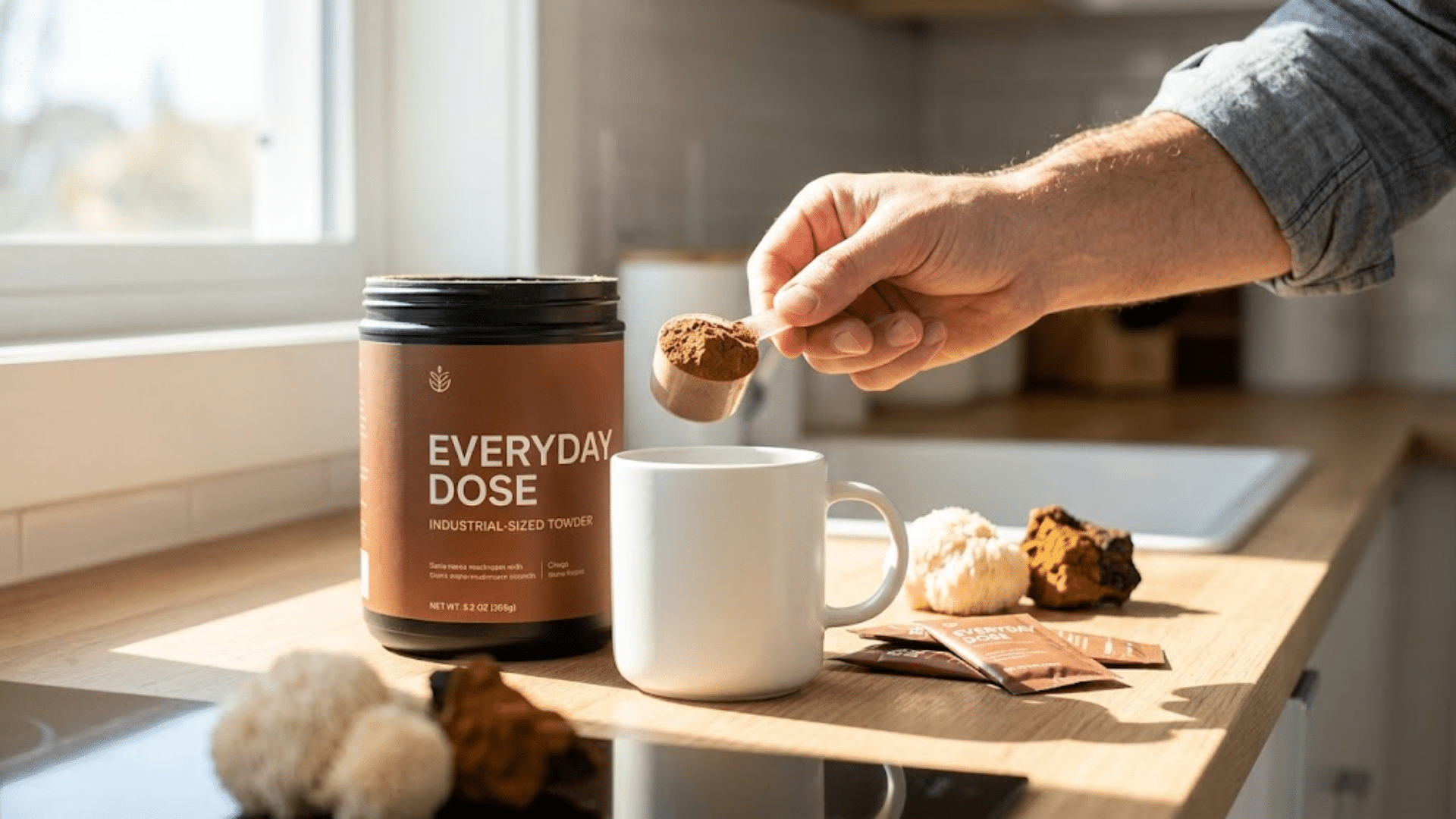
The brand entering Sam’s Club is called Everyday Dose, and it is not a ready-to-drink beverage but a mix customers prepare themselves. Its flagship Coffee+ product combines coffee with collagen peptides, Lion’s Mane, Chaga, and L-theanine. The company recently added a Protein Coffee+ version too, responding to growing customer demand for easy ways to fit more protein into a normal morning routine.
The Expansion Arrived With a New CEO at the Helm

This expansion arrived alongside a leadership change at the company itself. Everyday Dose named Kyle Thibaut, previously a senior executive at Robinhood, Credit Karma, and TrueCar, as its new chief executive officer. Founder Jack Savage is transitioning into the role of chairman, staying involved in the company’s direction while stepping back from day-to-day operations during a period of rapid retail growth.
Costco Already Sells a Rival, Just Not This One
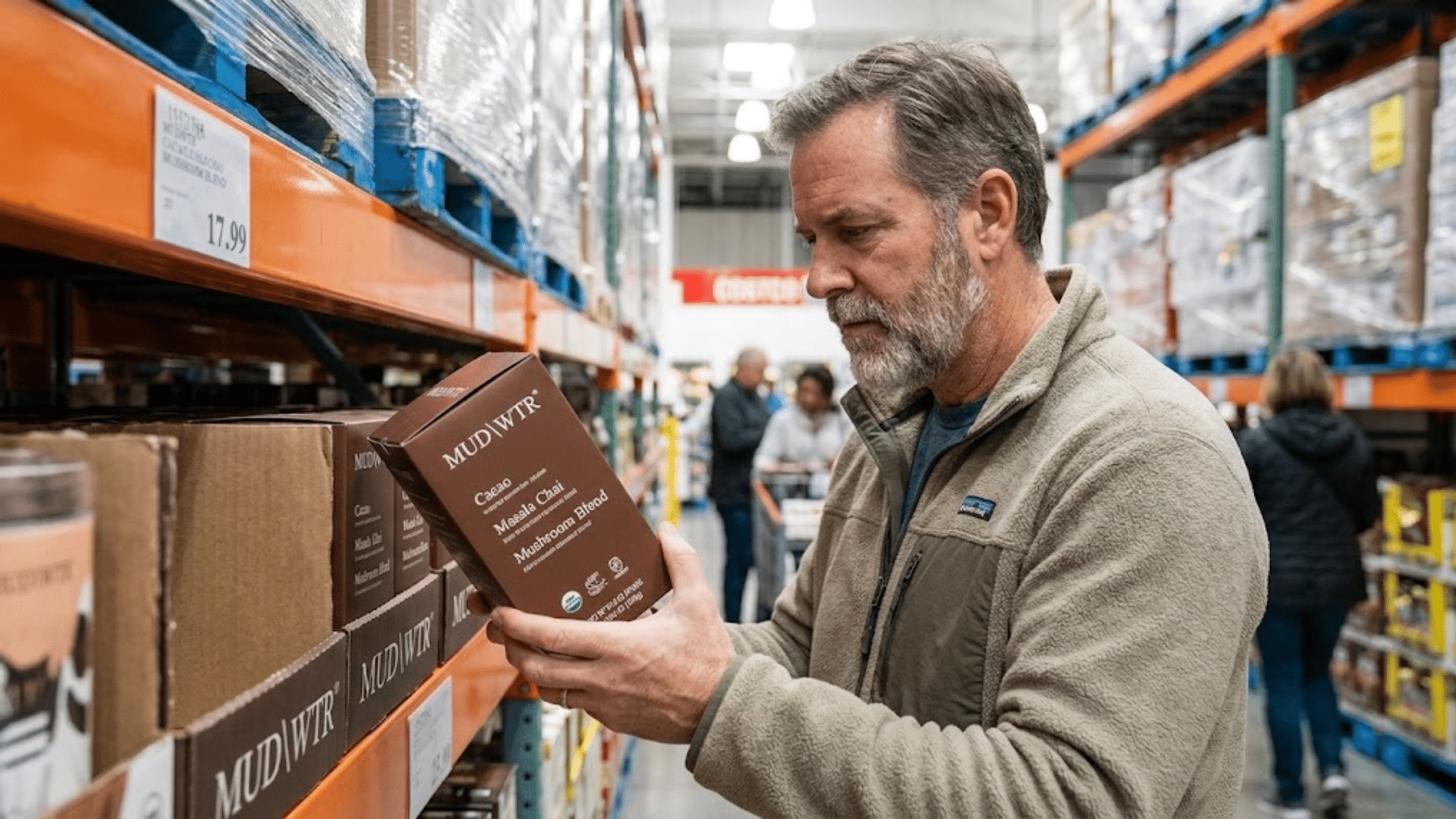
Costco shoppers already have a mushroom coffee option on shelves, just not this one. The warehouse chain carries MUD\WTR, a rival product built around cacao, masala chai spices, and a similar mushroom blend, but with less caffeine drawn from black tea instead of coffee extract. Everyday Dose specifically chose Sam’s Club for its warehouse club debut, giving each chain a different entry point into the same growing category.
Coffee Isn’t the Only Category Chasing This Trend
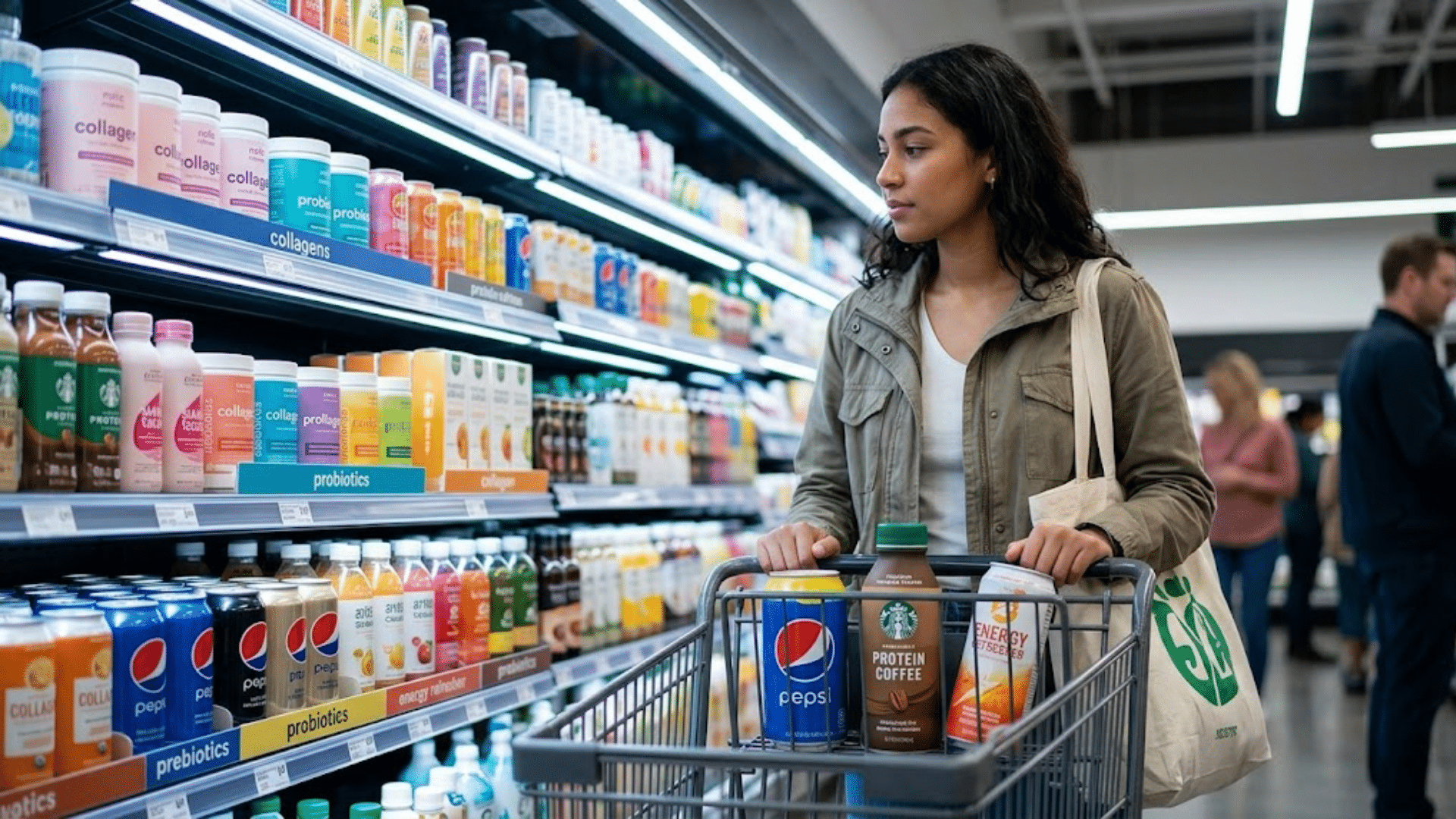
Coffee is not the only category chasing this trend right now. Pepsi has added a prebiotic version of its signature soda, while Starbucks has introduced protein coffees across both its in-store and ready-to-drink lineups, along with a separate line of Energy Refreshers. Functional ingredients, once mostly confined to niche health stores, are increasingly showing up in mainstream products from companies that built their reputations on simpler formulas.
Analysts Say “Functional” Has Become an Umbrella Term for Everything
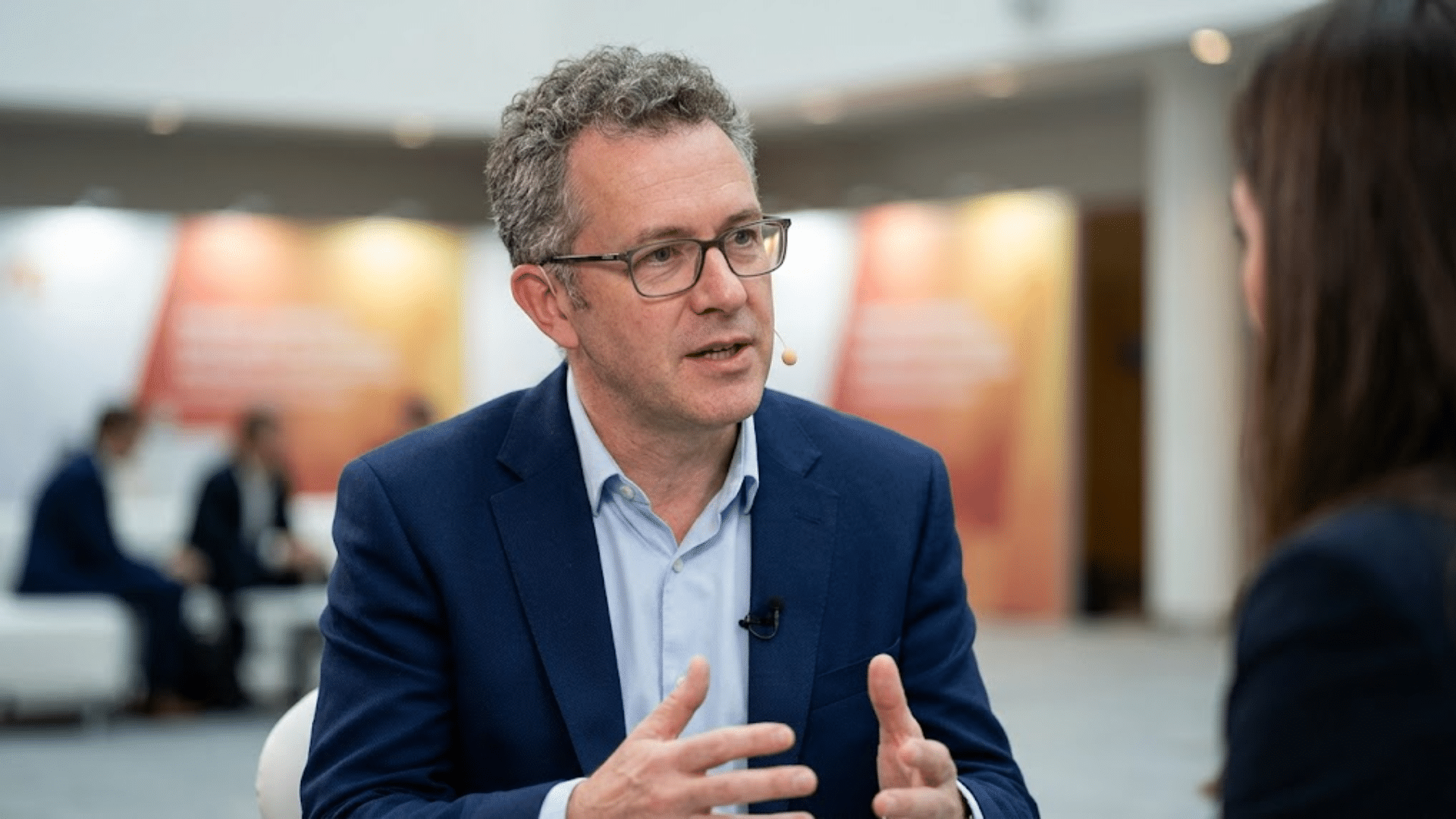
Industry analysts describe this shift as bigger than any single product category. “The problems consumers expect to solve with a beverage are multiplying,” said Howard Telford, head of soft drinks at Euromonitor International. “As consumer priorities diversify and scientific narratives evolve, functional is becoming an umbrella term, not just a performance drink, but a portable, format-flexible solution to a growing list of lifestyle concerns,” he told NACS Magazine.
One Analyst Calls This Straightforward “Warehouse Math”
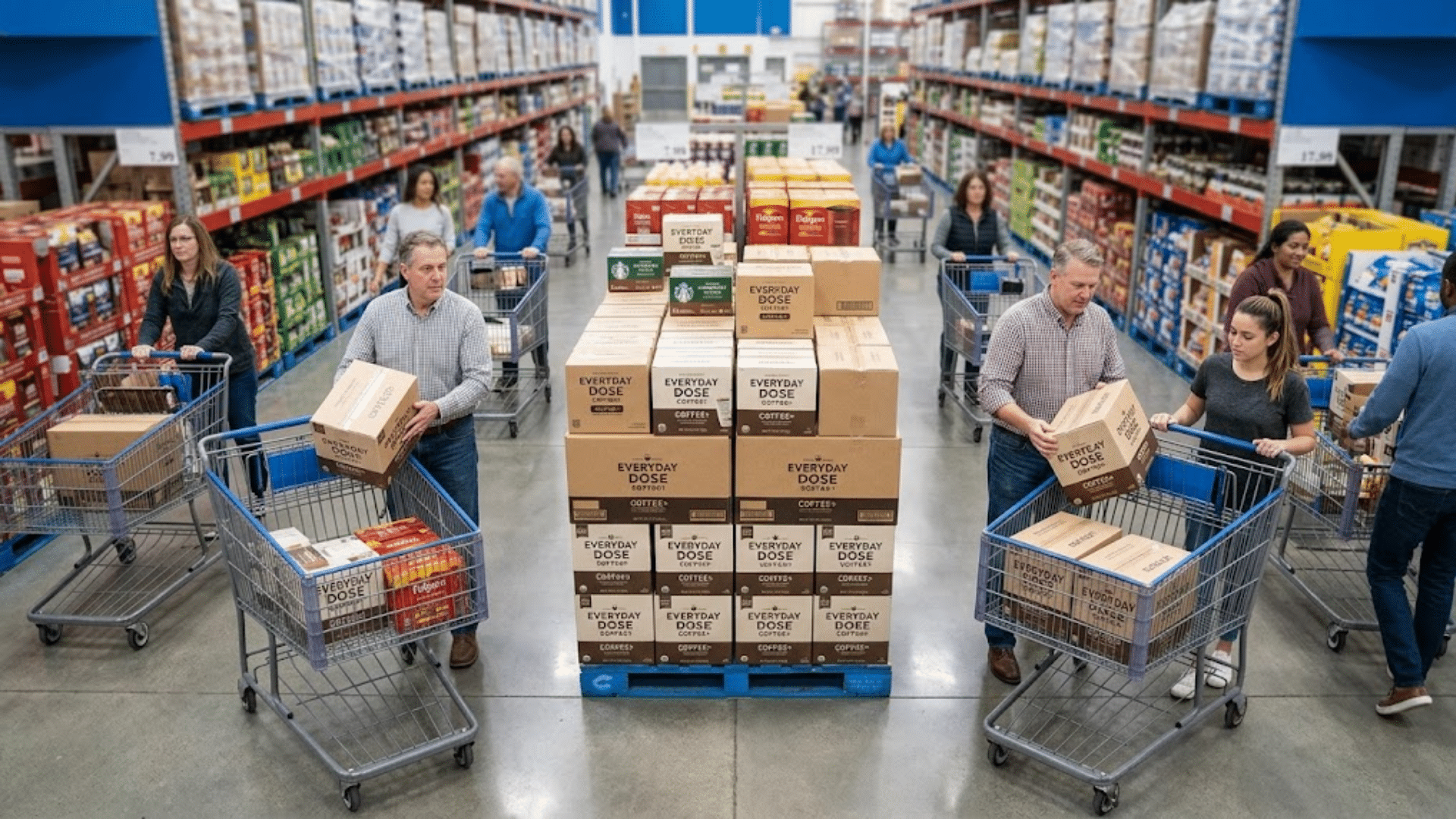
Getting into a warehouse club carries specific business logic beyond simple retail expansion. “Sam’s Club taking it nationwide is classic warehouse math. Grab a trendy, high-margin online hit, throw it in a bulk box, and make it an impulse buy for middle America,” said Dominick Miserandino, CEO of RTM Nexus. He added that the move gives Everyday Dose immediate scale while showing Sam’s Club members the retailer stays ahead of consumer trends.
Researchers Say These Drinks Simplify a Complicated Decision
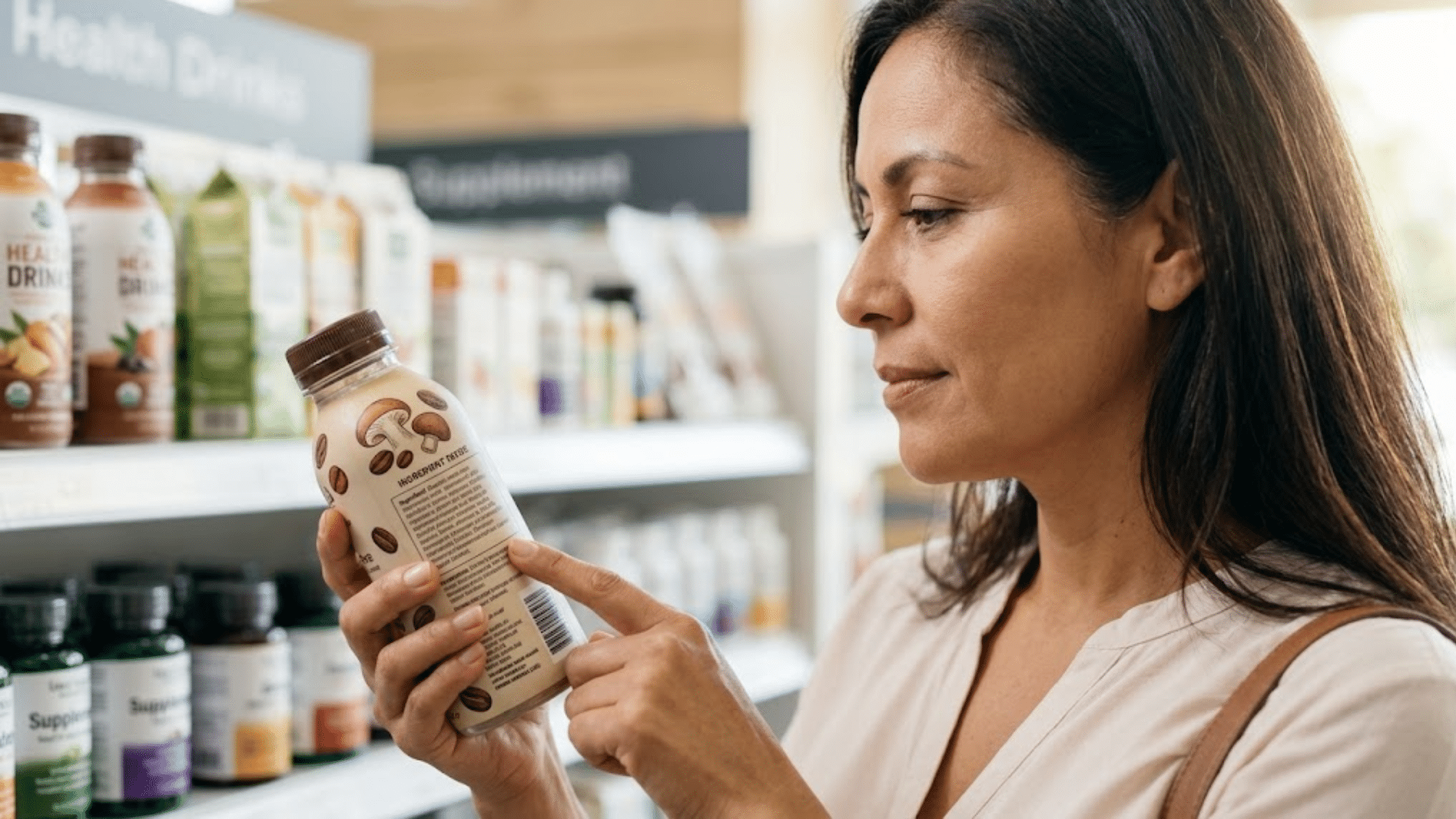
Consumer researchers say functional beverages appeal because they simplify a genuinely complicated decision. “People are trying to maximize their consumption of things that are good and minimize their consumption of things that are harmful,” said Huy Do, research and insights manager at Datassential. Functional beverages, he explained, “give people a simple and easy-to-understand source of what they want” without requiring much additional research or effort.
Younger Shoppers Are Driving More Than Half This Spending
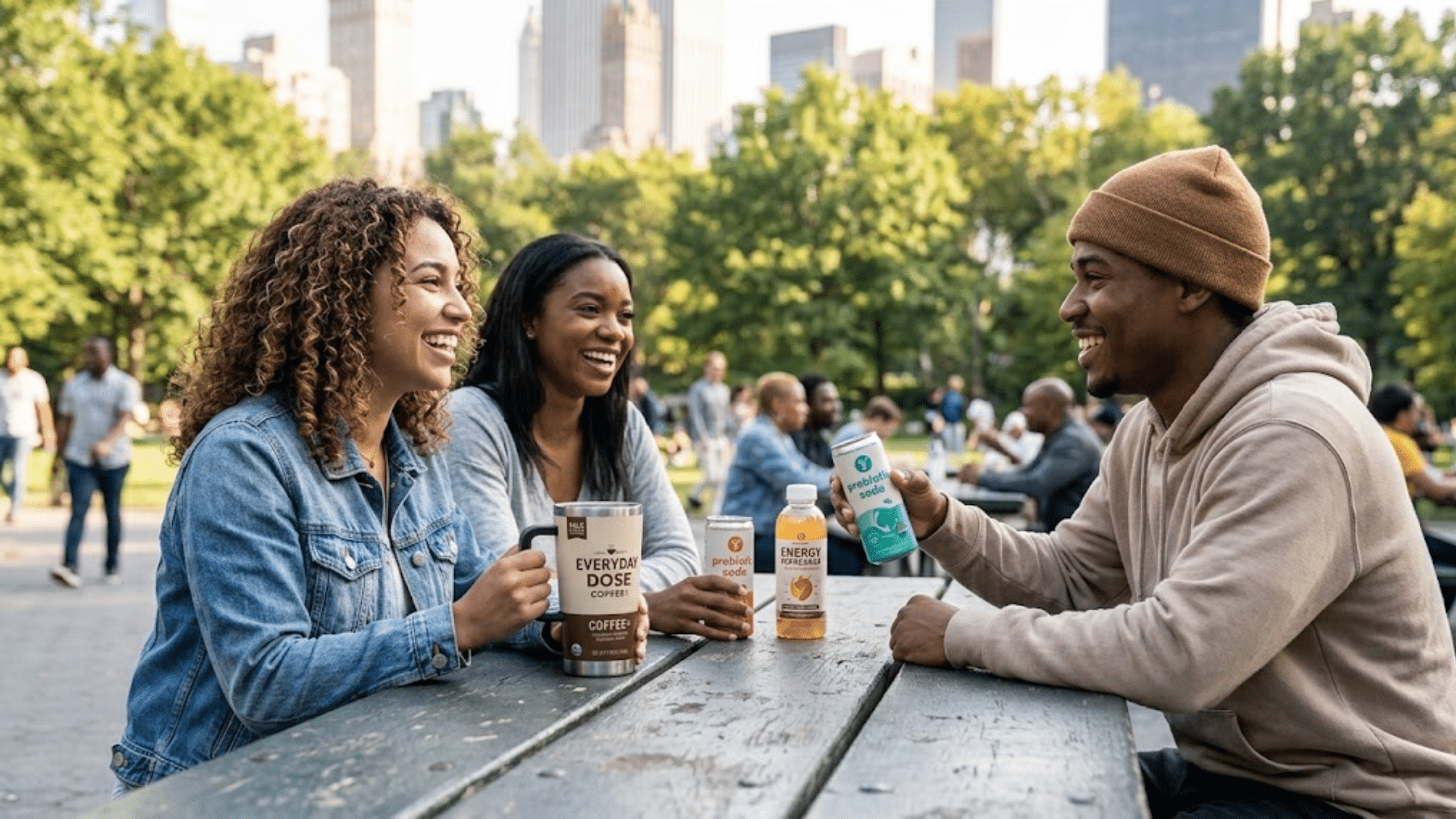
The numbers back up how quickly this category has grown. Functional beverage sales increased 8.8 percent in 2025, according to NielsenIQ. That growth skews notably younger: Gen Z and Millennial shoppers now drive 55 percent of all functional beverage spending, according to Chris Costagli, the firm’s vice president of food and beverage insights, making younger consumers the clear engine behind this shift.
A Niche Coffee Brand Just Became a Mainstream Retail Strategy
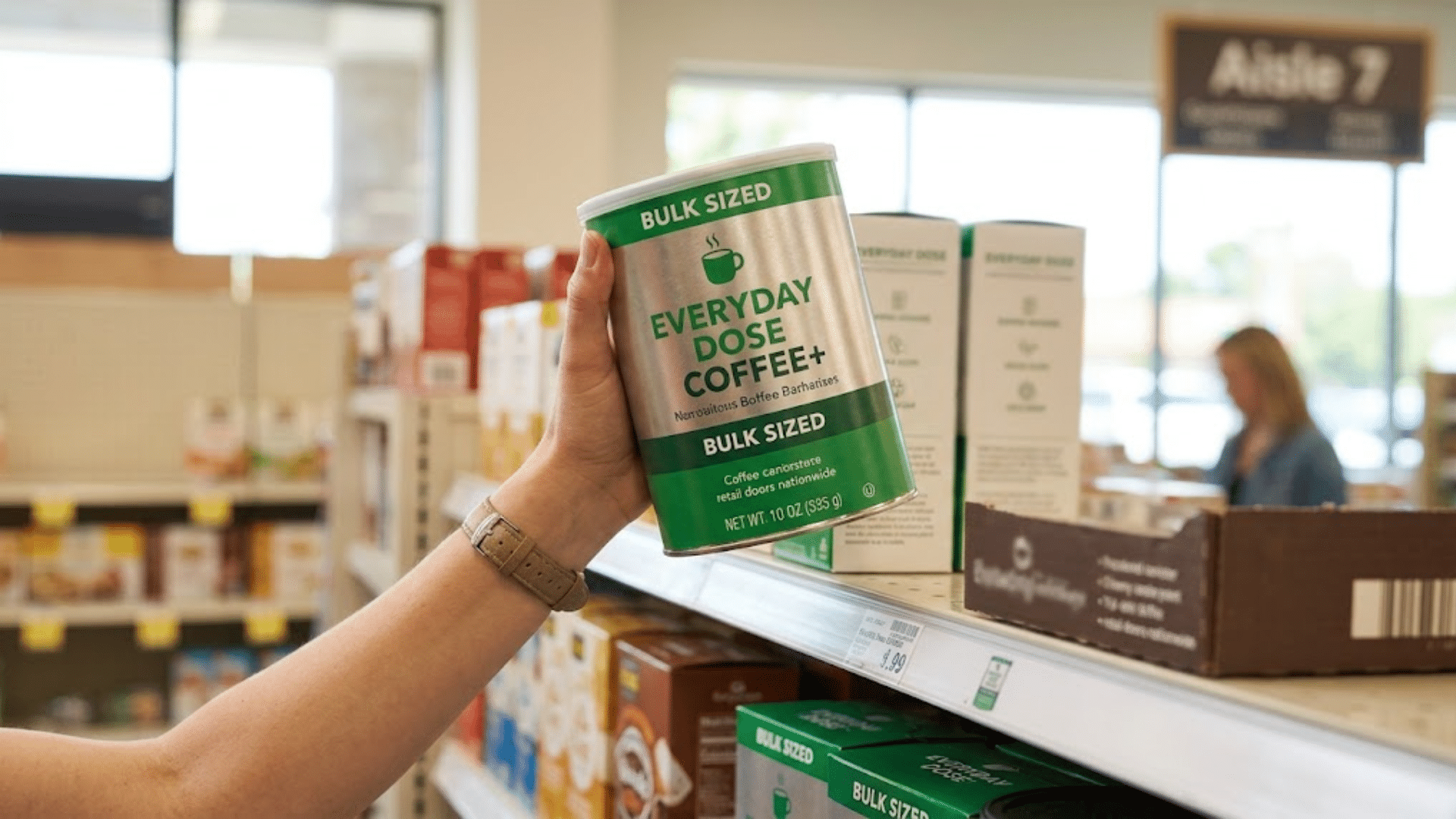
Everyday Dose’s jump from a niche direct-to-consumer brand to more than 5,000 retail doors nationwide, including Target, Sprouts, Publix, and now Sam’s Club, illustrates how fast functional beverages have moved from trend to mainstream shelf space. What started as an alternative to a simple cup of coffee has become a genuine business strategy for retailers competing to look ahead of shifting consumer habits, one warehouse box at a time.

