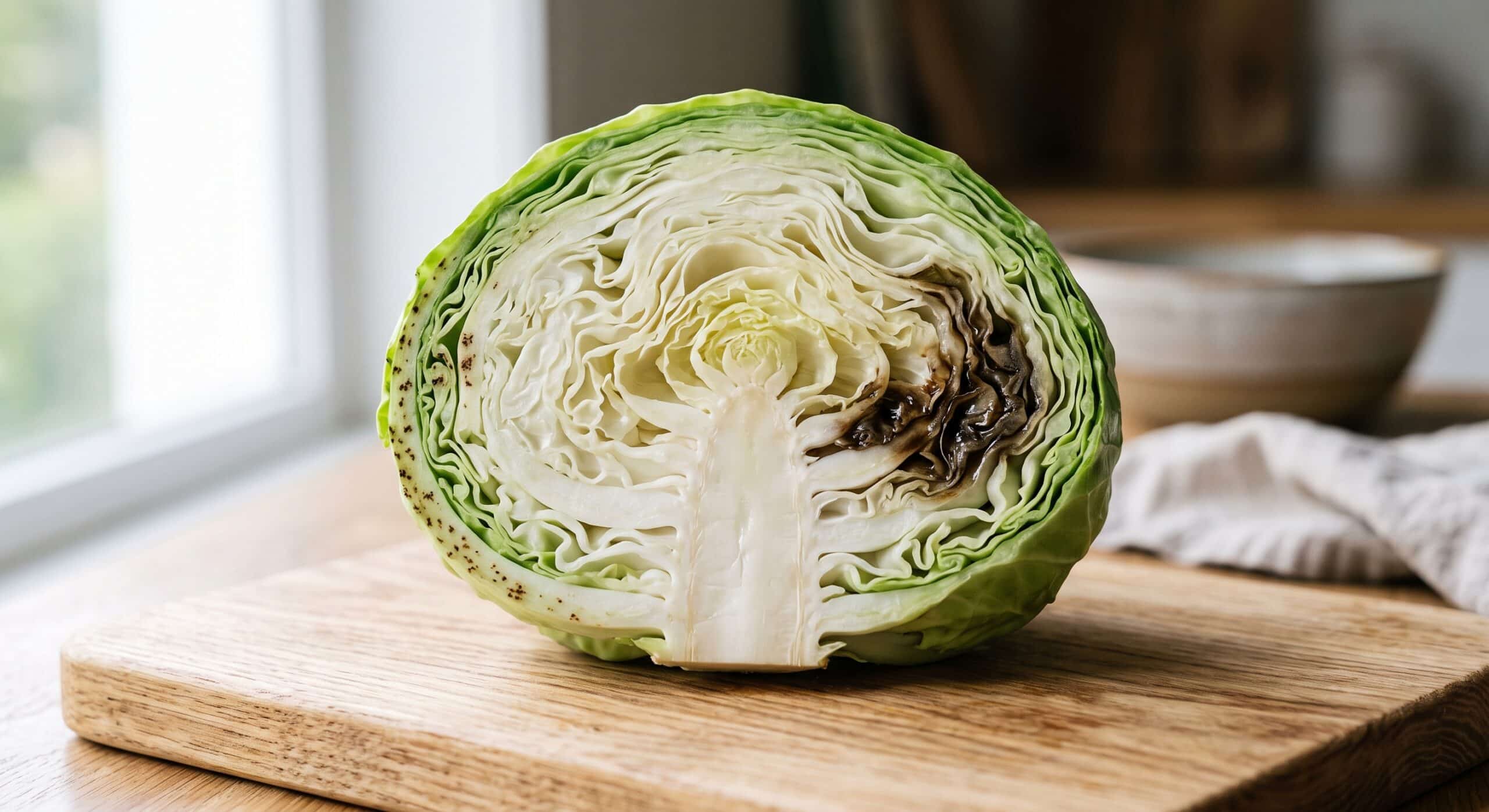
Cabbage sits in the crisper drawer longer than almost any other vegetable, which is exactly why it can be easy to lose track of how long it has actually been there. It looks tough on the outside, so it is tempting to assume it is always fine underneath. But cabbage does eventually spoil, and the signs are not always obvious at first glance. Knowing what to look for, and what to ignore, can save you from either wasting good food or eating something that has gone past its prime.
This article was created with the assistance of AI and reviewed by our editorial team for accuracy and clarity.
How Cabbage Manages to Outlast Most Vegetables
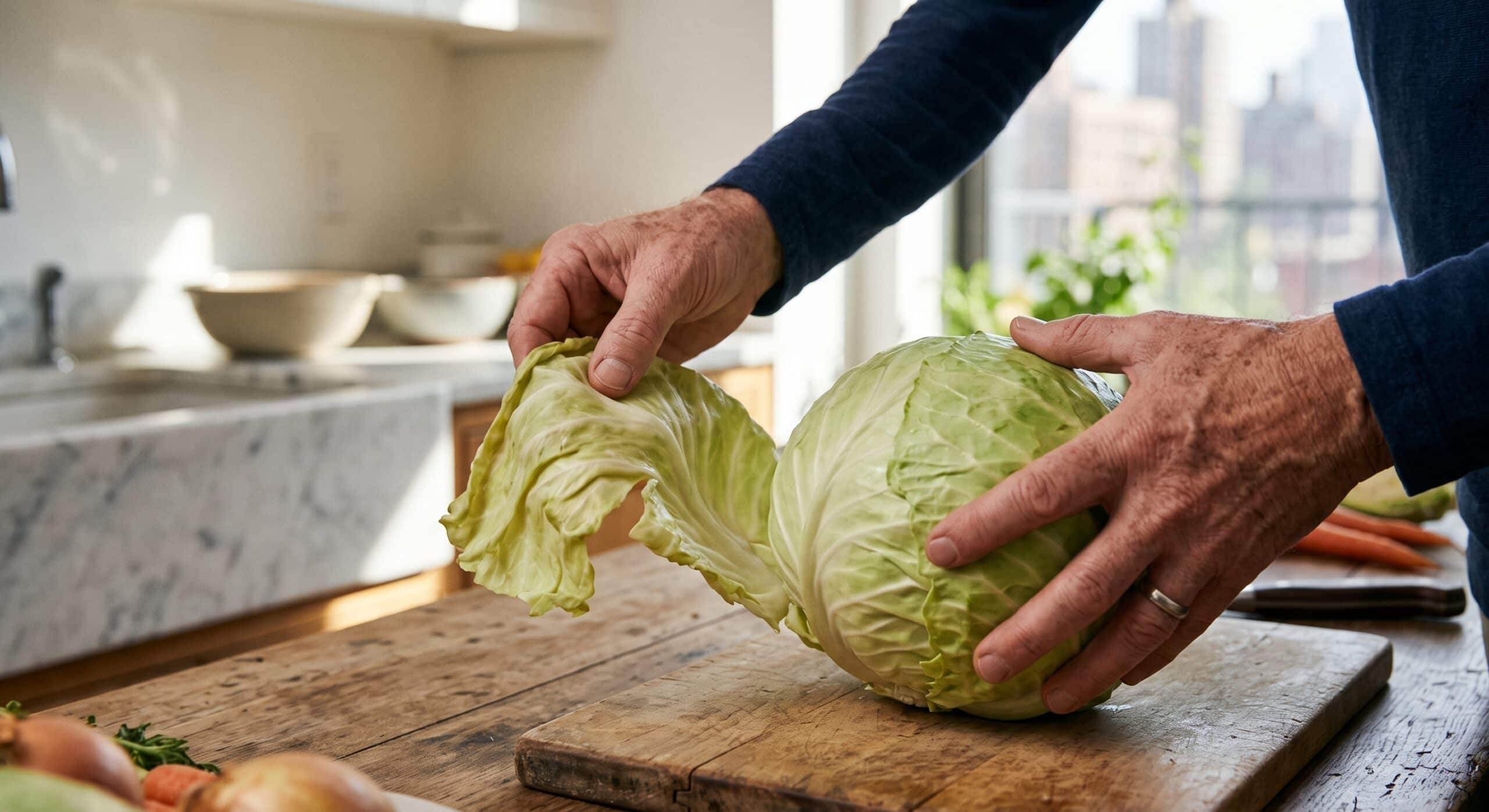
Cabbage has a reputation for lasting longer than many other vegetables, and there is a simple reason why. Its leaves contain relatively little water compared to leafy greens like spinach or lettuce. Since bacteria and mold need moisture to multiply, this naturally low water content slows down the decay process. That is why a whole head of cabbage can often sit in the fridge for one to two weeks without any trouble. Of course, that resilience is not unlimited. Once time, warmth, or rough handling catch up with it, cabbage will eventually start to break down just like any other produce.
The First Clue Is Often a Change in Texture

One of the earliest signs that cabbage is starting to turn is a shift in how it feels. A fresh head should feel dense, heavy for its size, and firm when you press on it. If the leaves begin to feel soft, spongy, or squishy, that softening usually means moisture is escaping and the internal structure is starting to collapse. A few slightly limp outer leaves are not necessarily a dealbreaker since those can often be peeled away. But if the softness reaches the core or spreads through several layers, it is a stronger signal that spoilage has taken hold.
Slimy Leaves Are a Clear Warning Sign
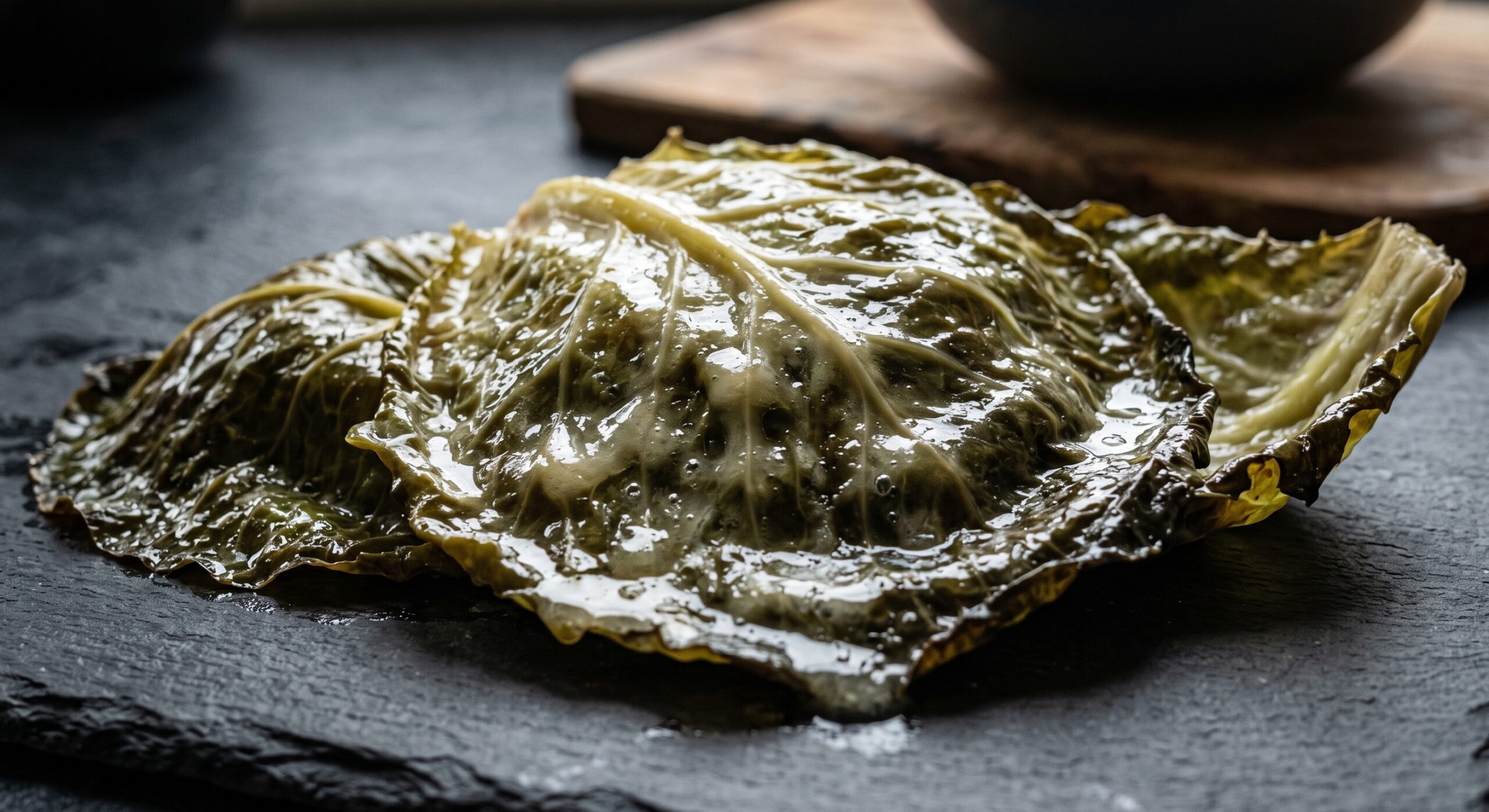
If cabbage leaves feel slick, sticky, or slippery to the touch, that texture change is one of the clearest indicators that bacteria are actively breaking the plant tissue down. Unlike mild wilting, sliminess is not something that can be trimmed away and ignored. It typically signals that decay has progressed to the point where the vegetable is no longer safe to eat. This is especially common in cut or shredded cabbage, since exposed surfaces lose moisture and attract bacteria faster than an intact head does.
Trust Your Nose Before You Trust Your Eyes

Smell can be one of the fastest ways to catch spoilage before it becomes visible. Fresh cabbage has a mild, slightly earthy scent that most people recognize instantly. When it turns, that smell shifts into something sour, sulfurous, or unmistakably unpleasant. Some describe it as similar to rotten eggs or ammonia. If a cabbage gives off any odor that seems even slightly off, it is worth taking seriously, since smell often changes before texture or color does.
Not All Discoloration Means the Same Thing
Seeing dark spots on cabbage can be alarming, but the meaning depends on the details. Minor darkening around cut edges or a few small black flecks are often just cosmetic and not caused by mold or bacteria at all. If the texture underneath still feels firm and normal, it is frequently safe to trim the spot away and use the rest. However, widespread gray or black patches, especially paired with a soft texture, point to real decay. Mold itself usually looks fuzzy or has a distinctly slimy sheen, which sets it apart from harmless surface spotting.
Red Cabbage Has Its Own Spoilage Signal
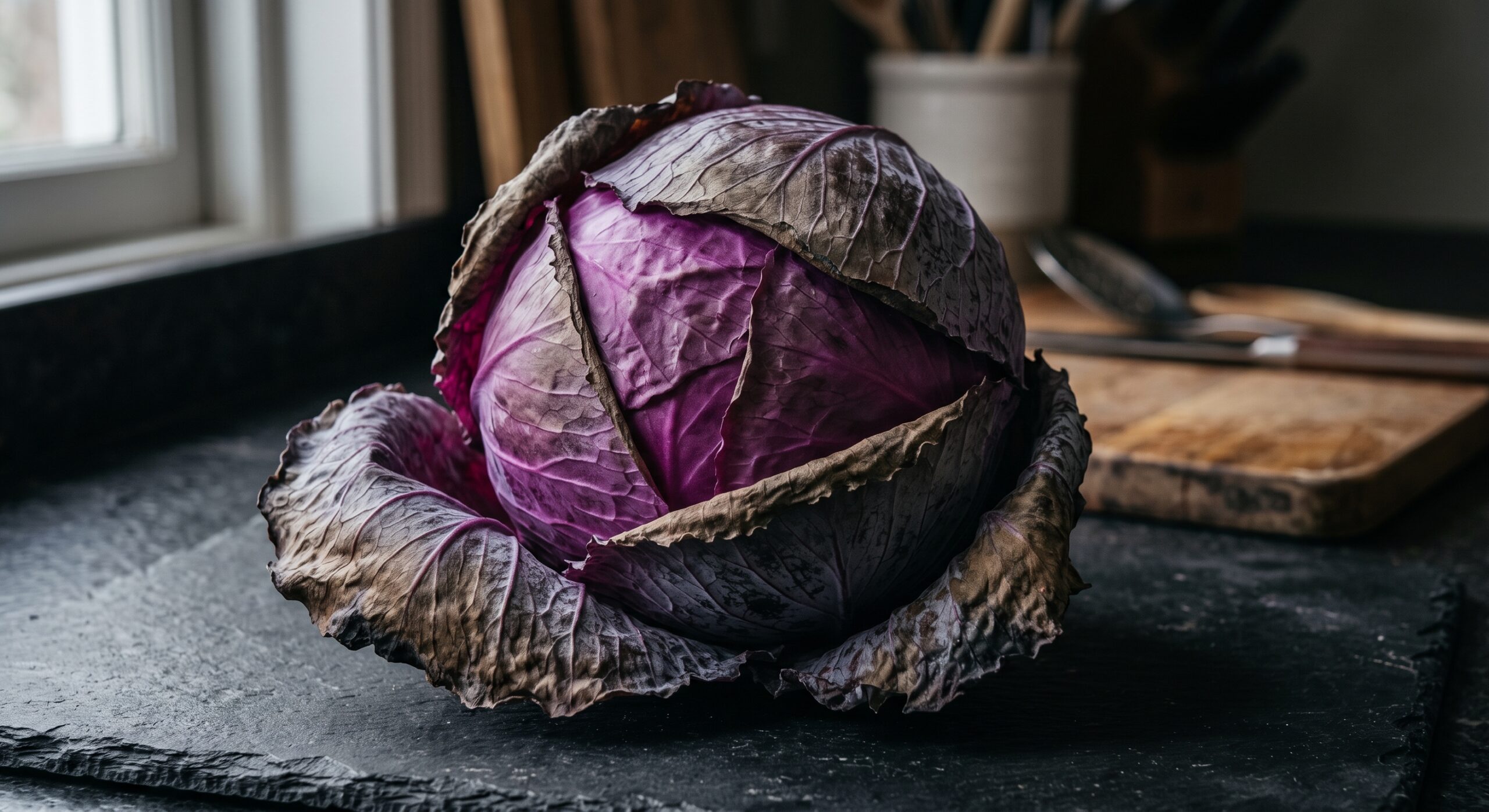
Red cabbage follows the same general rules as green cabbage, but it has one extra tell. As it starts to spoil, the leaves often shift from their vibrant red or purple tone toward a dull brown. Combined with shriveling or a loss of firmness, that color change is a strong indicator that the head is past its best days. Since brown is never a natural shade for any cabbage variety, spotting it is one of the more reliable ways to know it is time to let go of that head.
When It Is Better to Just Toss the Whole Head
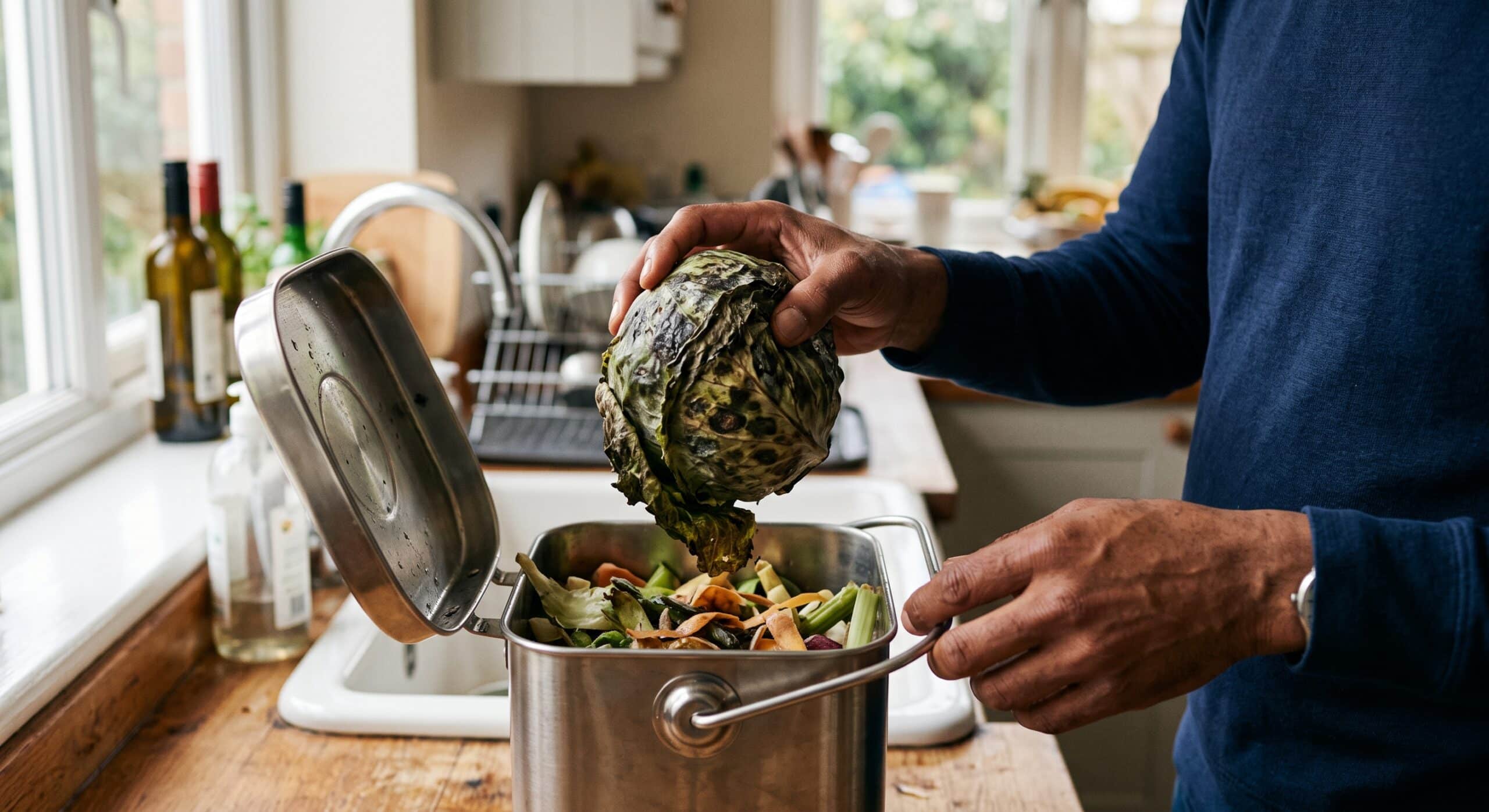
Some spoilage can be managed by removing a few outer leaves, but there comes a point where trimming is no longer worth it. If a cabbage shows large soft patches, deep black or gray decay, a strong rotten smell after peeling back layers, or a soft and wet stem end, it has moved beyond a salvageable state. In these cases, food safety experts recommend discarding the entire head rather than trying to save the inner portion, since bacteria can spread further than what is visible on the surface.
Storage Habits That Slow Spoilage Down

How cabbage is stored plays a major role in how long it stays fresh. Keeping the outer leaves intact until you are ready to cook protects the more delicate layers underneath. Gentle handling matters too, since bruising creates weak points where bacteria can take hold faster. The vegetable drawer of the refrigerator is the ideal spot, and cabbage does not need to be sealed in an airtight bag to stay fresh. One often overlooked tip is to avoid washing cabbage right after buying it. Excess moisture speeds up decay, so it is best to rinse it only right before use.
The Bottom Line on Keeping Cabbage Safe to Eat
Cabbage earns its reputation as a long lasting vegetable, but it is not immune to spoilage. The most reliable warning signs are sliminess, a sour or sulfurous smell, significant softness, and widespread gray, black, or brown discoloration. Minor cosmetic spotting or slightly wilted outer leaves are usually nothing to worry about and can simply be trimmed away. When in doubt, food safety experts consistently agree on one simple rule: if a cabbage looks, feels, or smells questionable, it is not worth the risk of eating it.