Solo Dining Hits 52% as More Americans Ditch Group Dining for ‘Me Time’
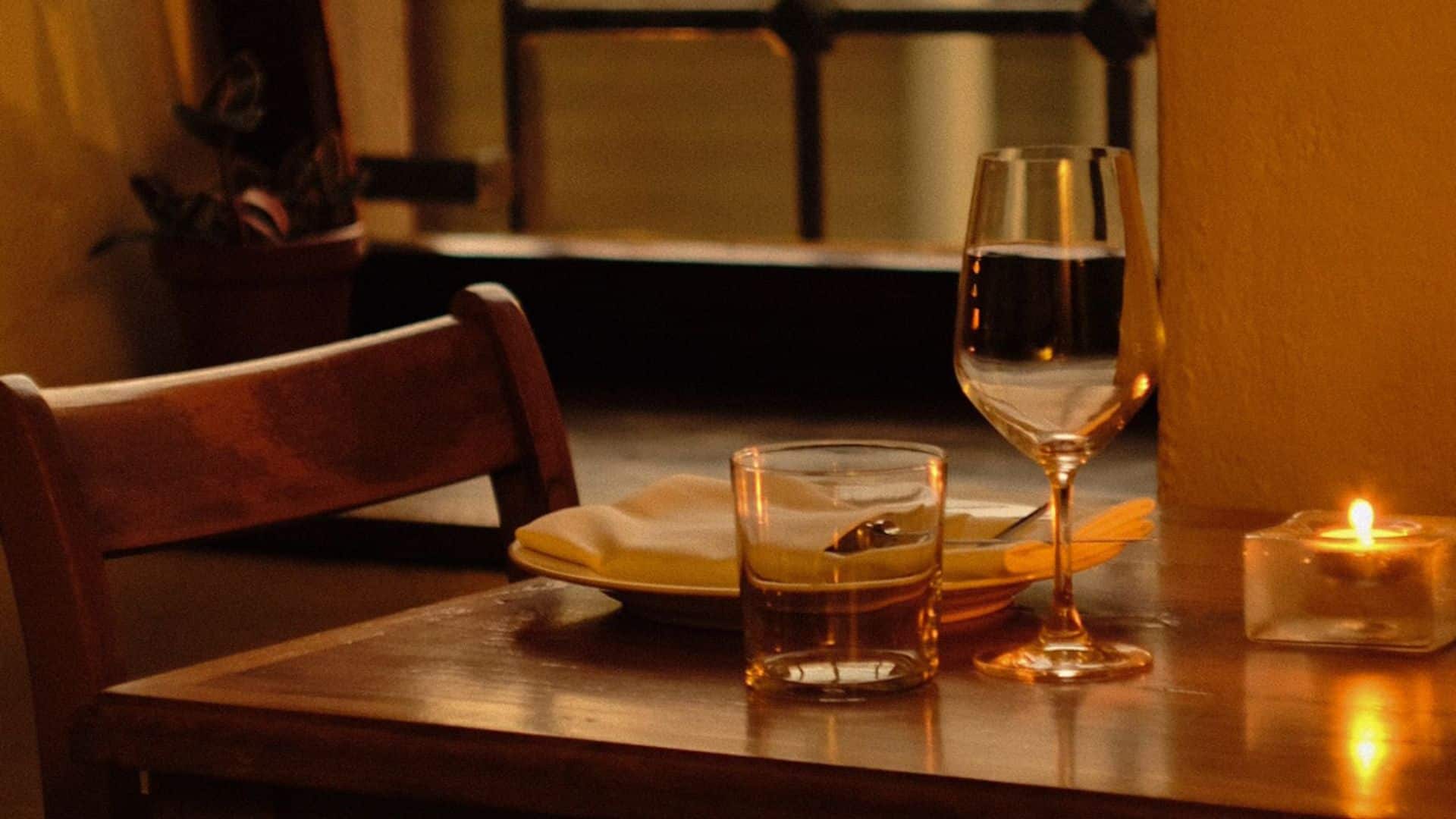

A table for one is becoming a much more familiar sight. Solo dining orders have risen 52% since 2021, according to Yum Brands, and they now represent 47% of quick service restaurant visits, up from 31% four years earlier. Rather than signaling loneliness, the shift appears to reflect something increasingly valuable to diners: the freedom to eat exactly what they want, when they want it.
Solo Dining Is Growing Beyond Fast Food
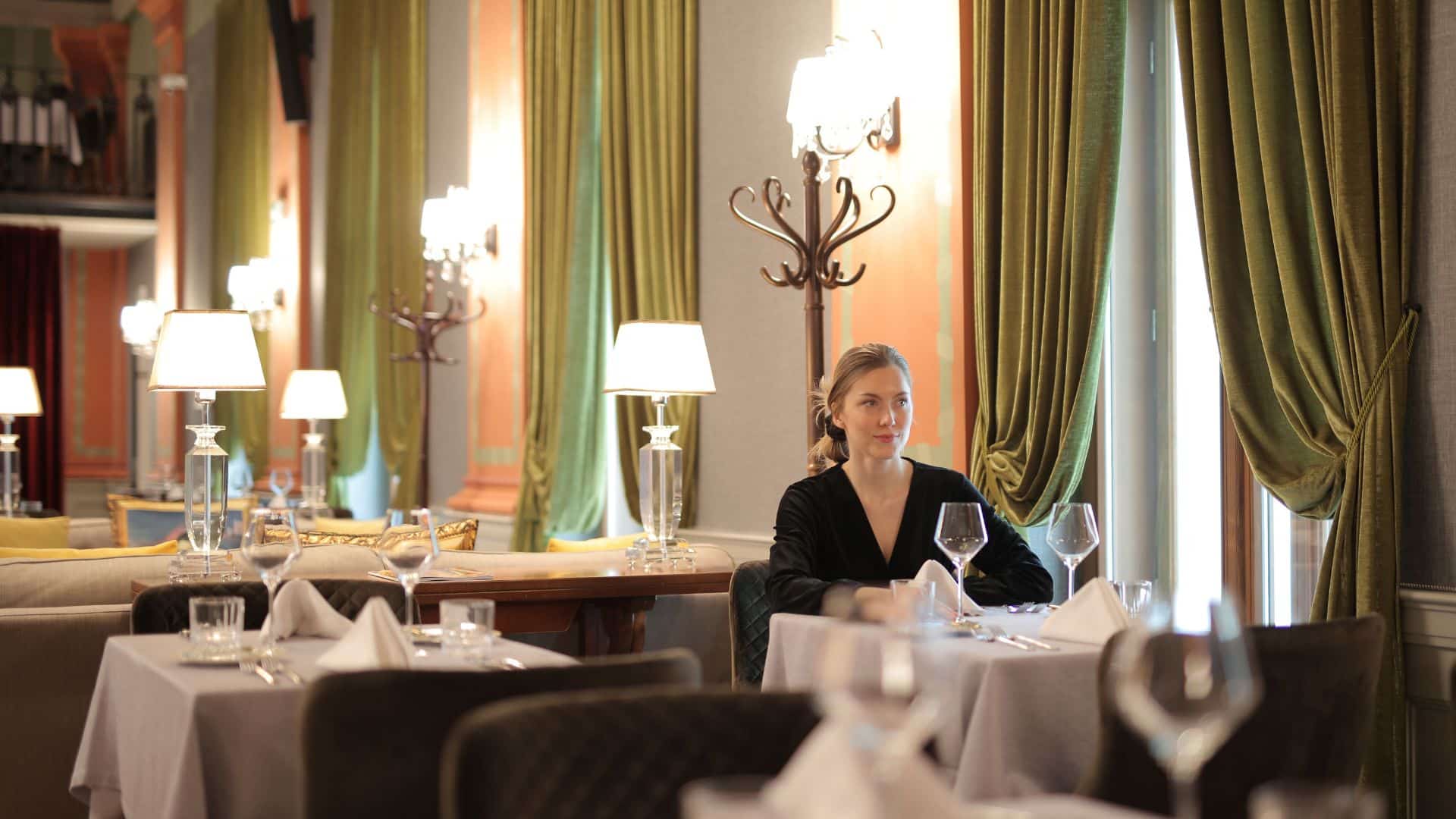
The trend is not limited to grabbing a quick meal on the go. At full service restaurants, reservations for one increased 22% during the third quarter of 2025 compared with the same period a year earlier, according to Toast data cited by Fox News. While solo reservations remain a small share of total bookings, their growth suggests more people are becoming comfortable requesting that once awkward sounding “table for one.”
Younger Diners Are Helping Drive the Shift
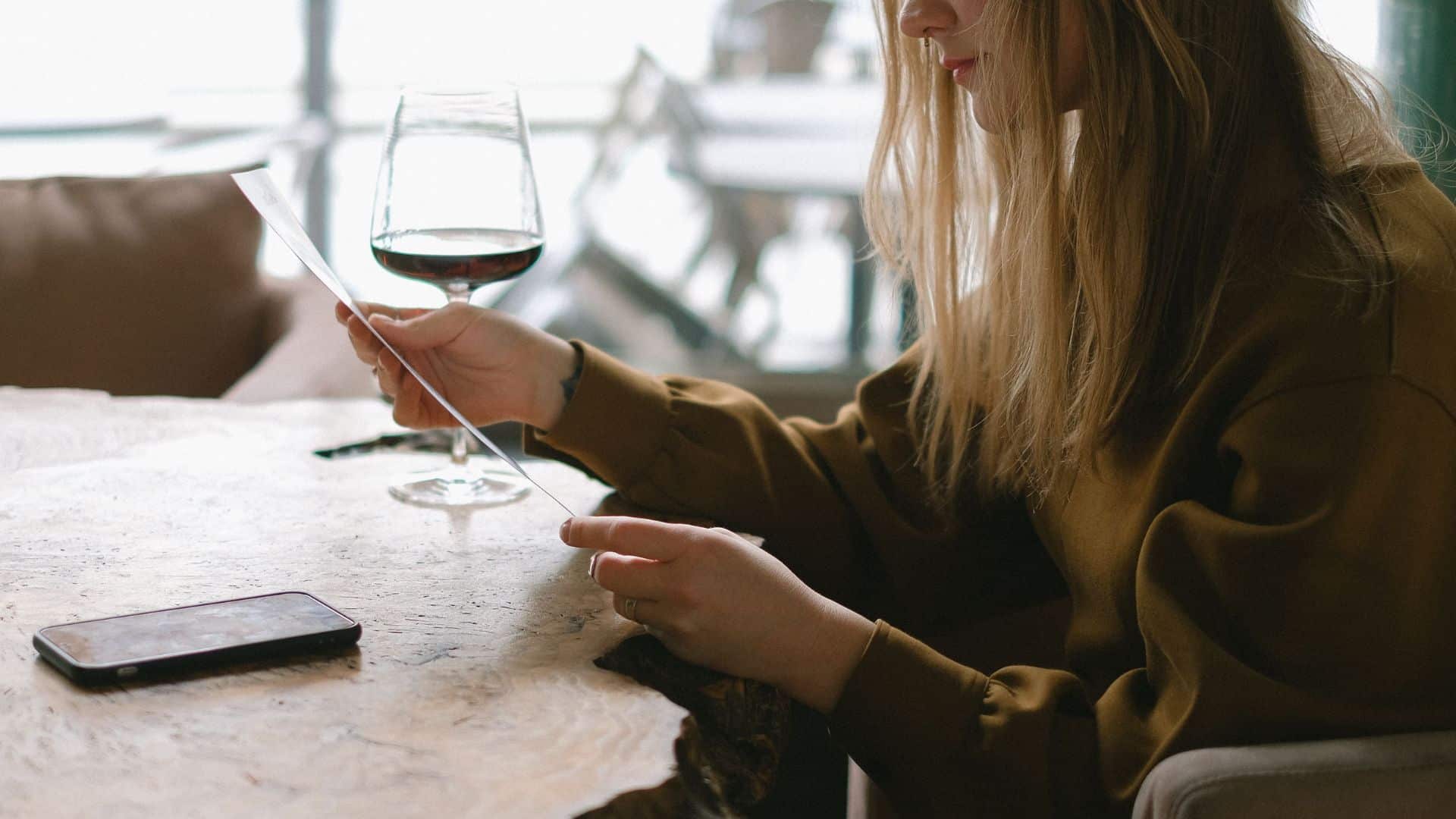
Gen Z and millennials are playing a noticeable role in the solo dining trend. One reason may be that eating alone makes it easy to follow a craving without negotiating where to go or what everyone else wants. About 24% of solo diners say satisfying a personal craving motivates their outing, according to Yum Brands. For these diners, independence can be part of the experience rather than a drawback.
The Solo Meal Can Become a Small Treat
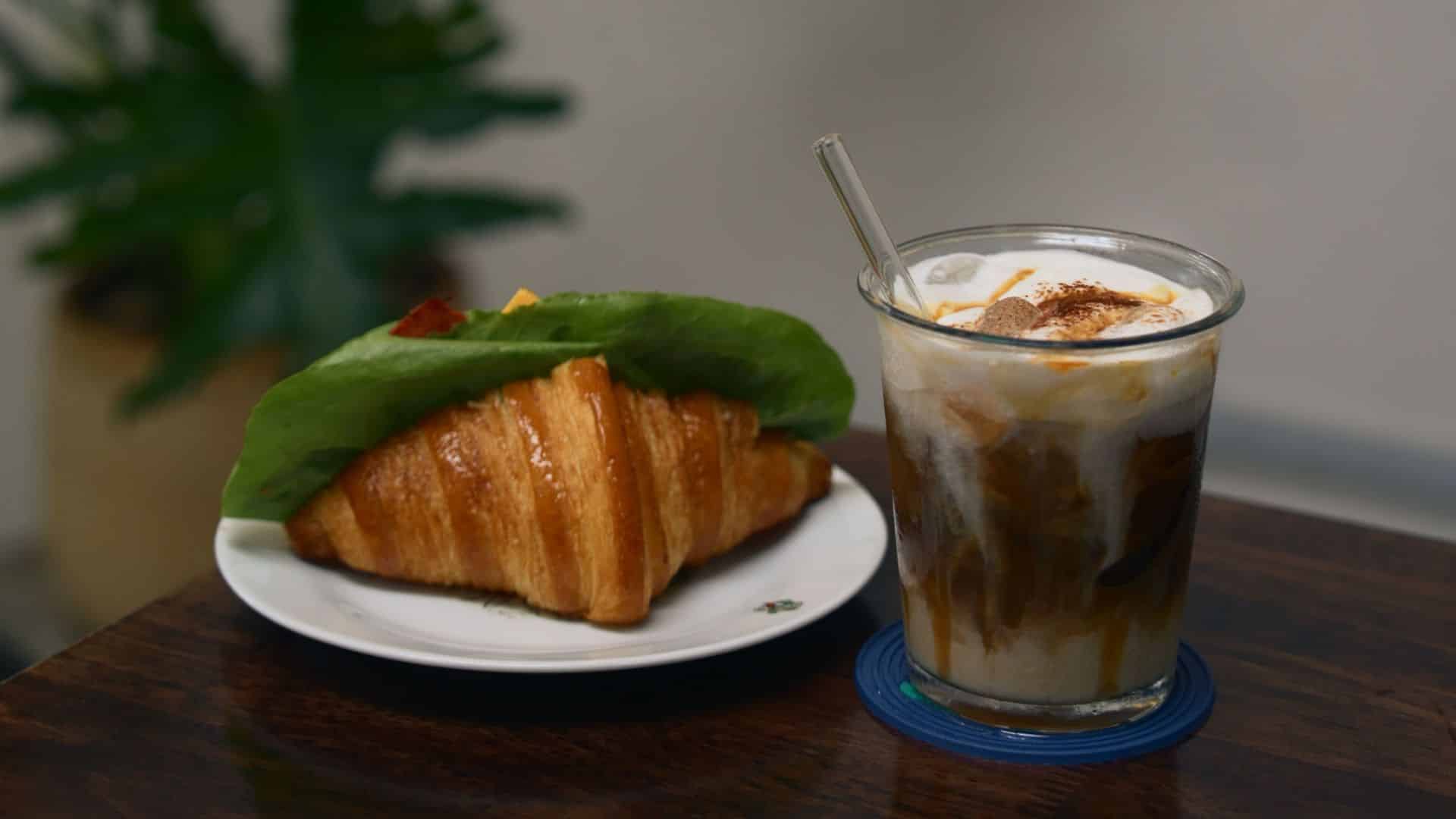
Eating alone does not necessarily mean searching for the cheapest option. More than half of solo diners spend between $10 and $30 or more per visit, according to the report. Specialty beverages offer another clue: 43% are purchased without food, suggesting drinks can function as small indulgences. Sometimes “me time” may be as simple as ordering one favorite thing without turning it into a group occasion.
Restaurants Are Rethinking Foods Made for Sharing
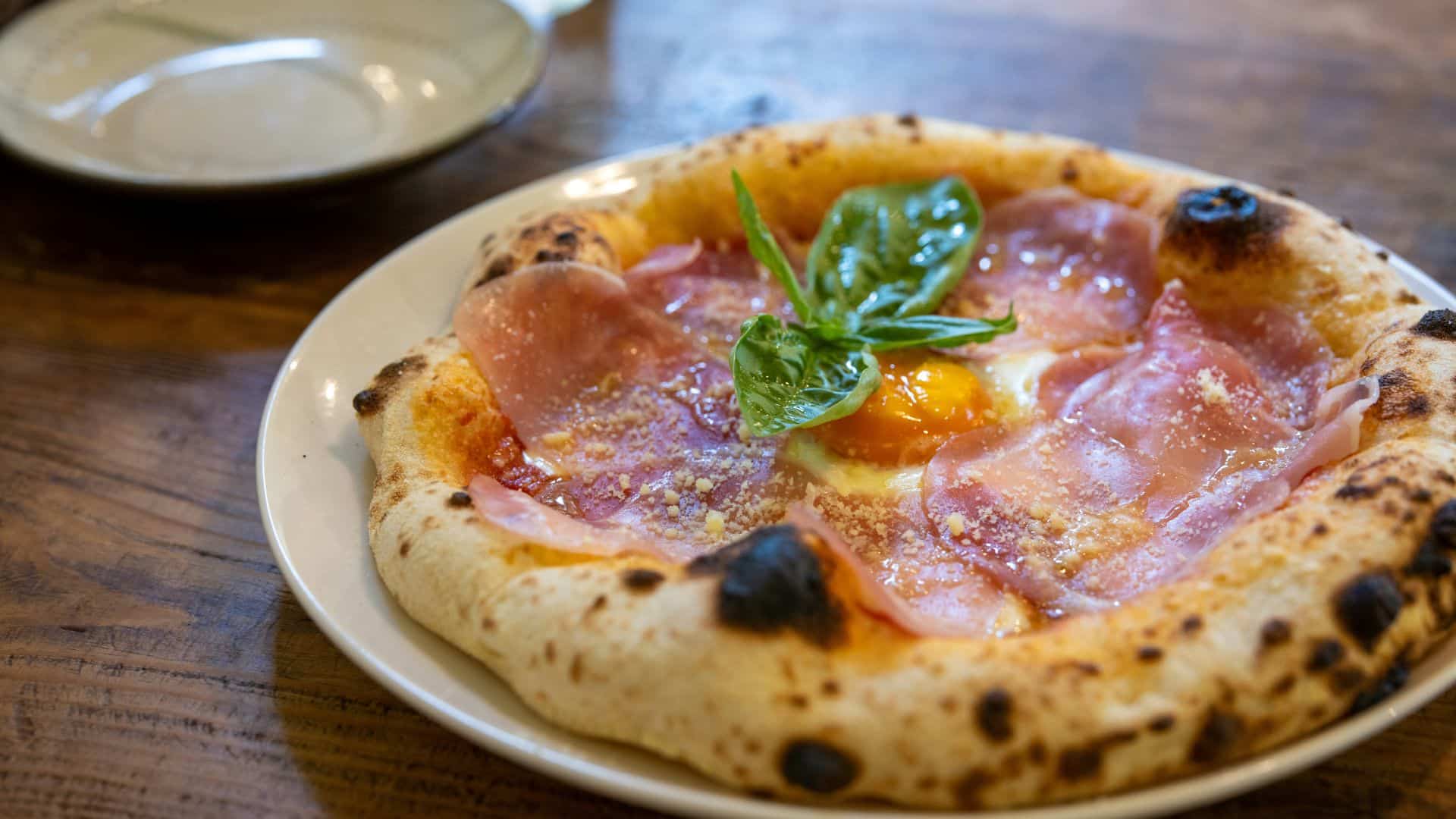
Pizza and wings may traditionally bring a group to mind, but restaurants are adapting those familiar foods for individual customers. Foods commonly associated with sharing are increasingly being redesigned for one, with particular popularity among Gen Z and millennial consumers. Individual formats make solo ordering easier while giving restaurants another way to serve customers who no longer need a group gathering as a reason to order traditionally communal foods.
Complete Control Is Part of the Appeal
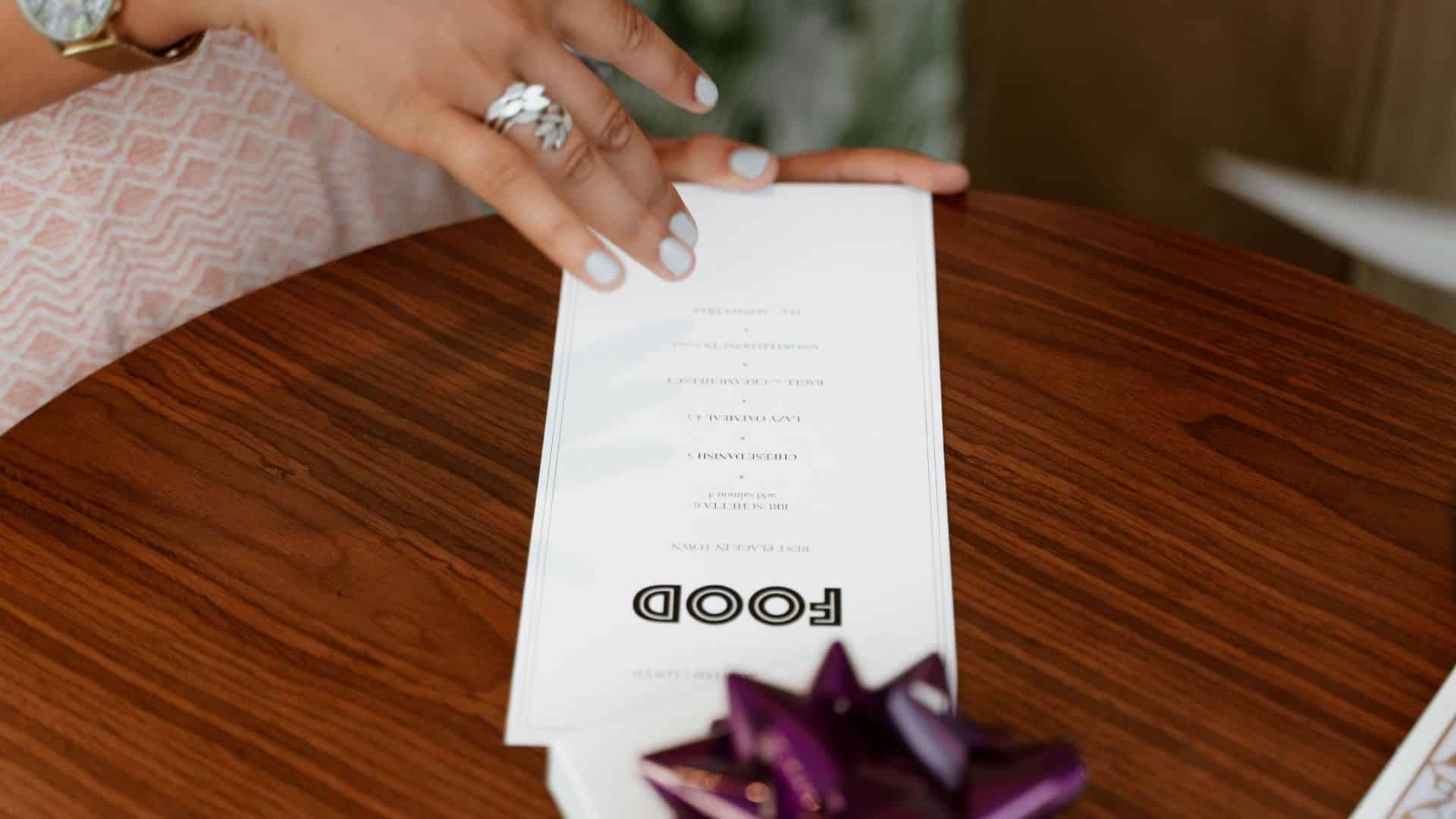
Solo dining can offer something a group meal rarely does: complete control over the outing. Chrystal Griffin, CEO of Classpop, told Fox News that going solo allows people to manage their time, spend within their comfort zone, move at their preferred pace and choose exactly what and where they want to eat. There is no coordinating schedules, debating restaurants or waiting for everyone else before calling it a night.
‘Solo Dates’ Are Moving Beyond Restaurants
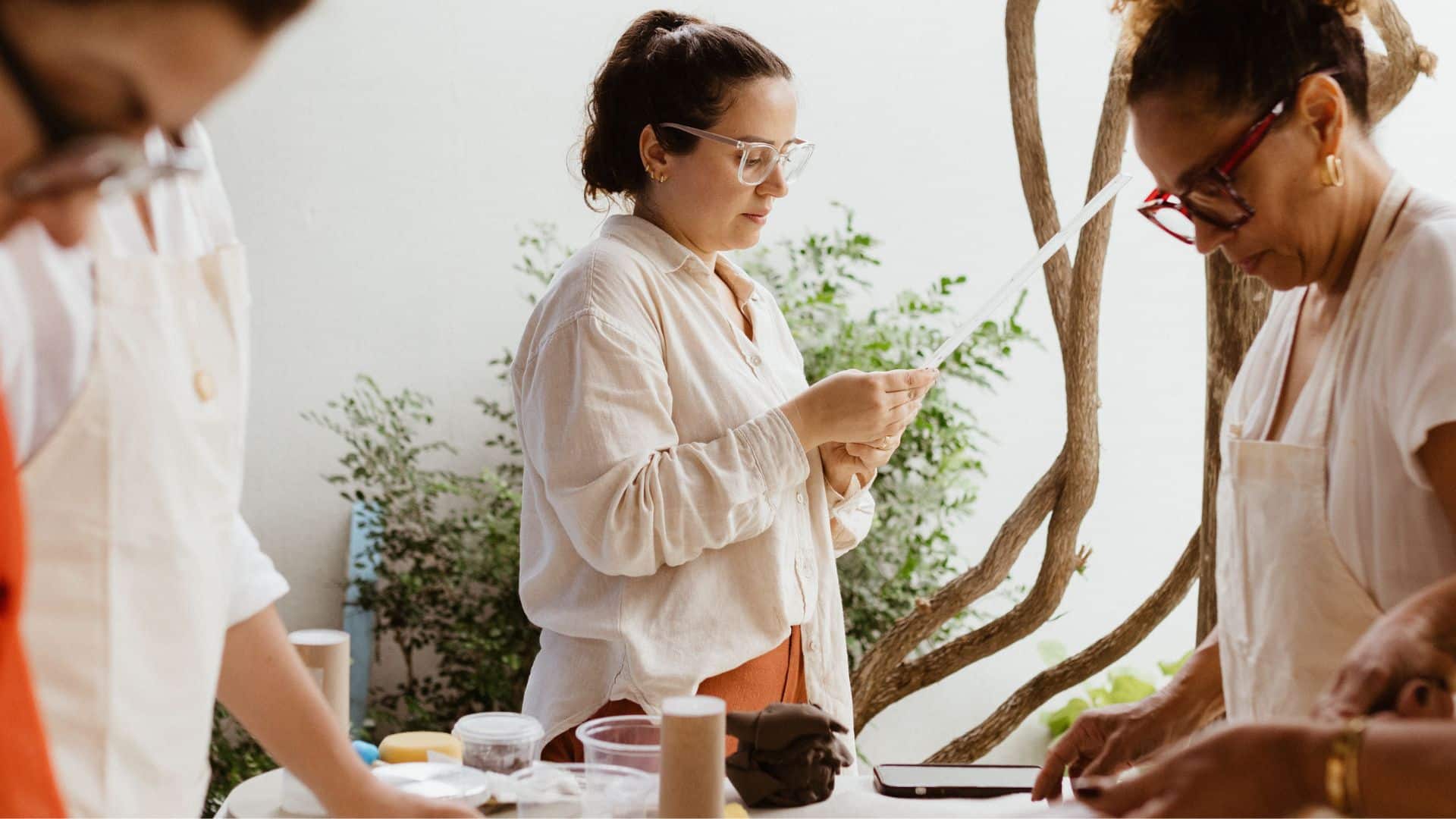
The appetite for doing things alone is showing up in other food related experiences, too. Classpop has seen reservations for one at cooking classes rise 55% since 2024, according to Griffin. That suggests some consumers are treating solo outings as intentional dates with themselves rather than backup plans when friends are unavailable. A meal for one may simply be part of a broader preference for experiences organized around personal schedules.
The Stigma Around a Table for One Is Fading
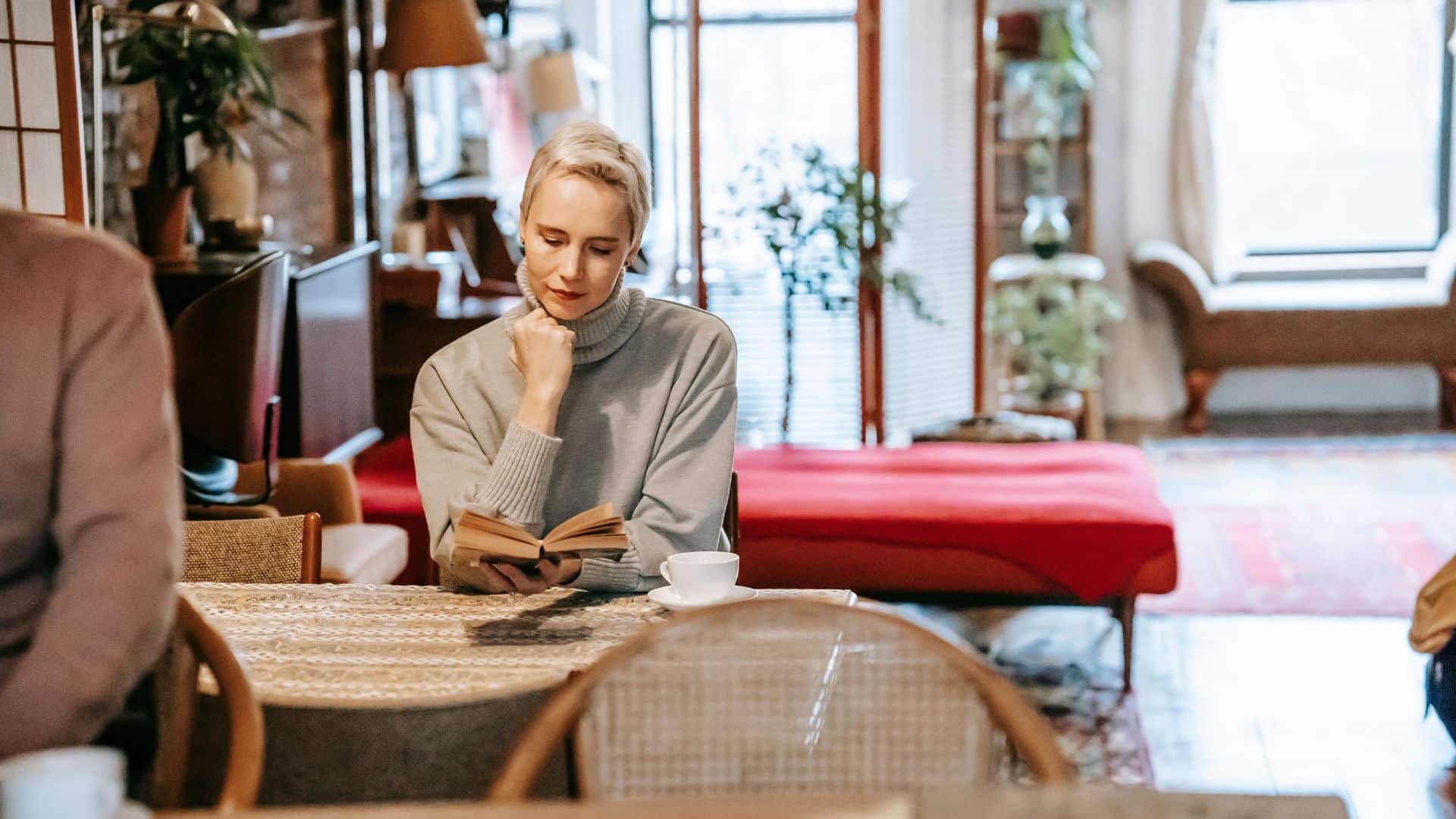
Dining alone once carried the uncomfortable assumption that someone lacked company, but that perception appears to be changing. Gail Saltz, an associate professor of psychiatry at New York Presbyterian Hospital Weill Cornell Medical Center, noted that eating remains one of life’s pleasures and can provide respite during stressful periods, even without company. As solo meals become more visible, taking yourself out to eat may increasingly feel ordinary rather than unusual.
Solo Dining Does Not Mean Giving Up Group Meals
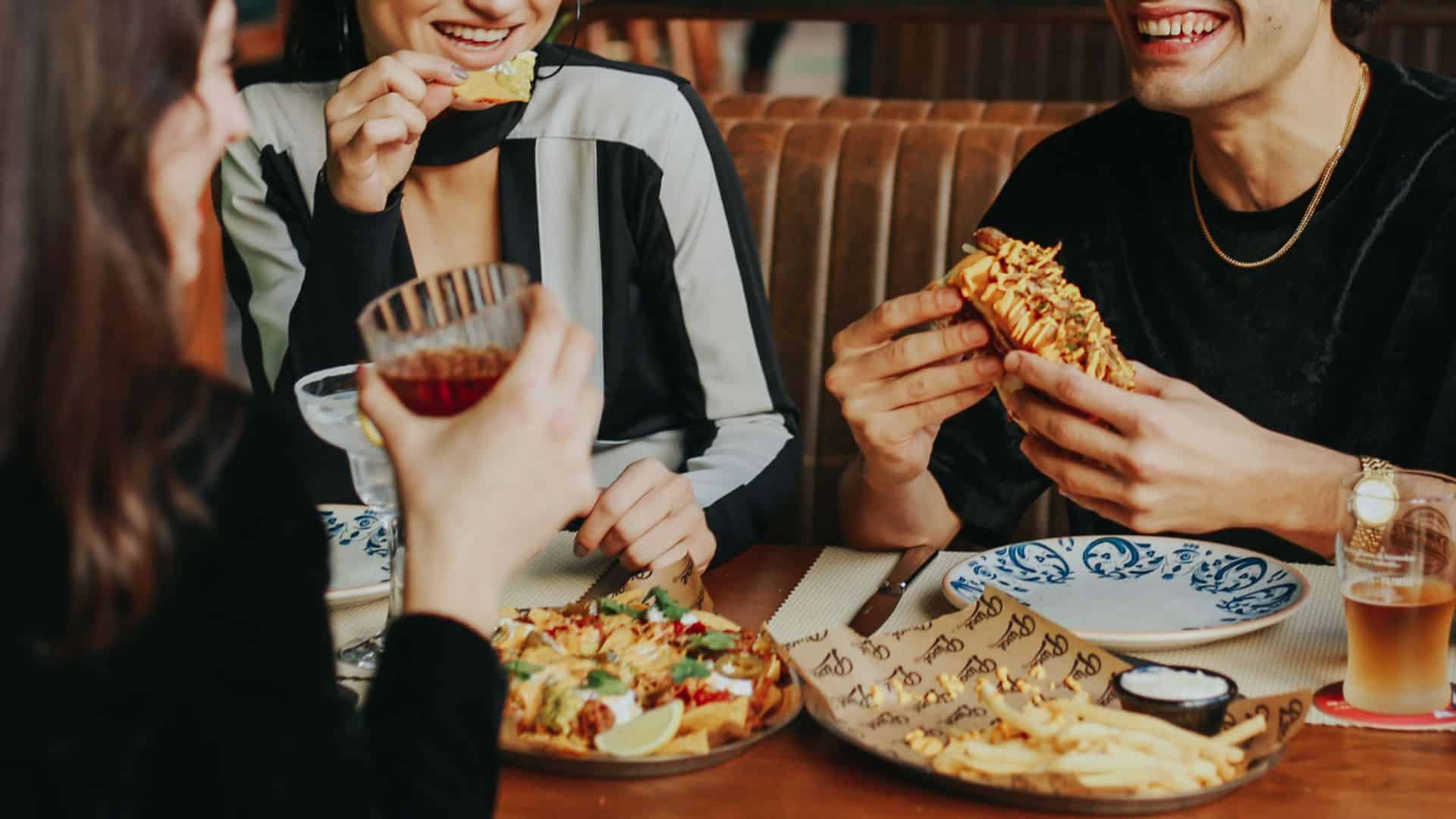
Choosing solitude occasionally is different from being socially isolated. Saltz encouraged people to deepen meaningful relationships while supporting solo dining when it is something they genuinely enjoy. Communal meals also remain common, and single diners still represent a small portion of booked reservations at full service restaurants. The emerging pattern is therefore less about replacing group dining and more about having another comfortable option.
‘Me Time’ Has Earned a Place at the Table
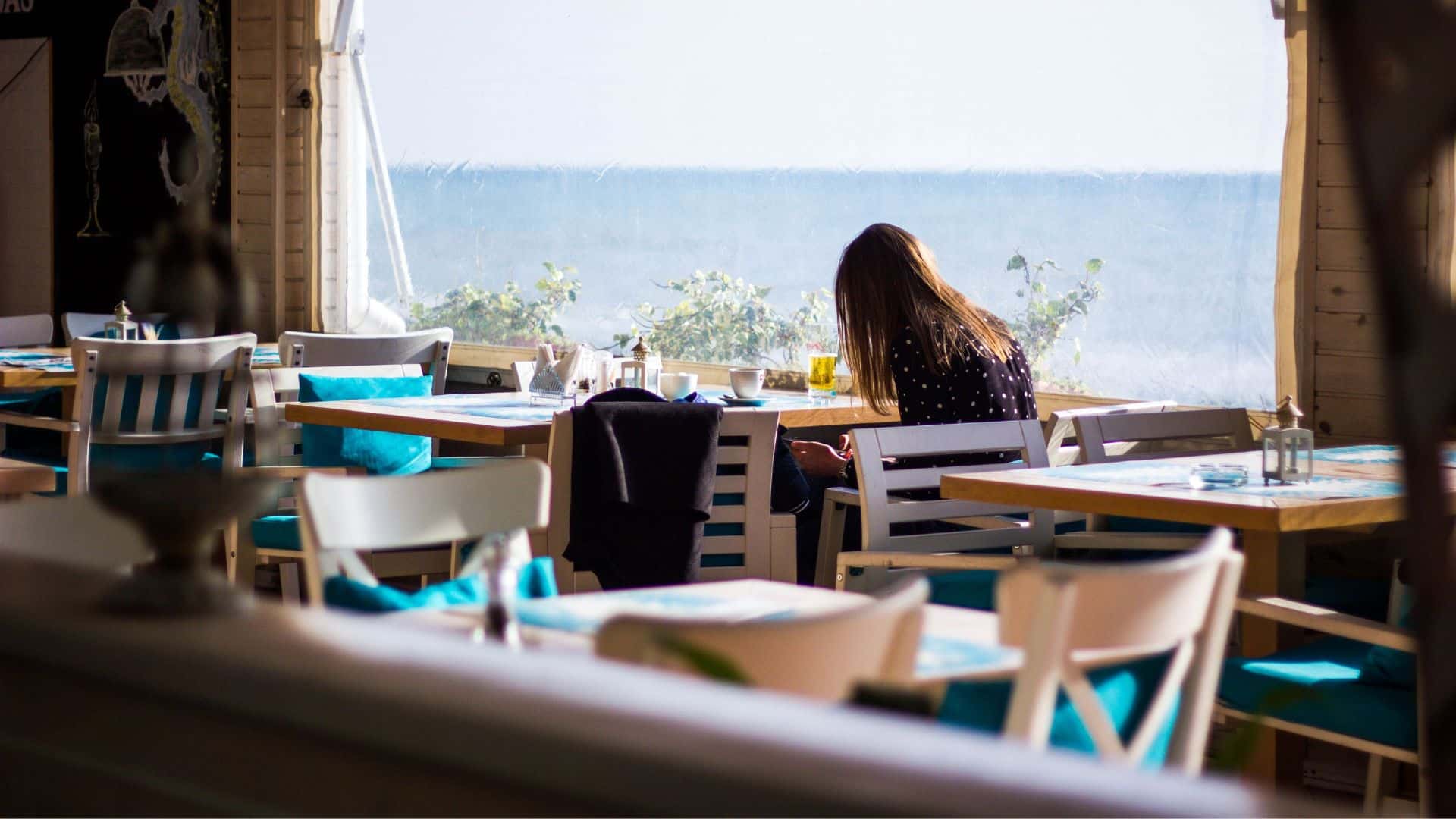
The rise of solo dining reflects a growing willingness to organize everyday experiences around individual preferences, from choosing a restaurant without compromise to enjoying a quiet meal at a comfortable pace. Restaurants are responding with individual portions, while diners appear increasingly comfortable taking the seat themselves. Group meals still have an important place, but the 52% rise in solo orders suggests eating alone is becoming a deliberate dining choice rather than something that needs an explanation.