The Hidden Health Cost of Relying on Dollar Store Food, But It Is All Some Families Can Afford
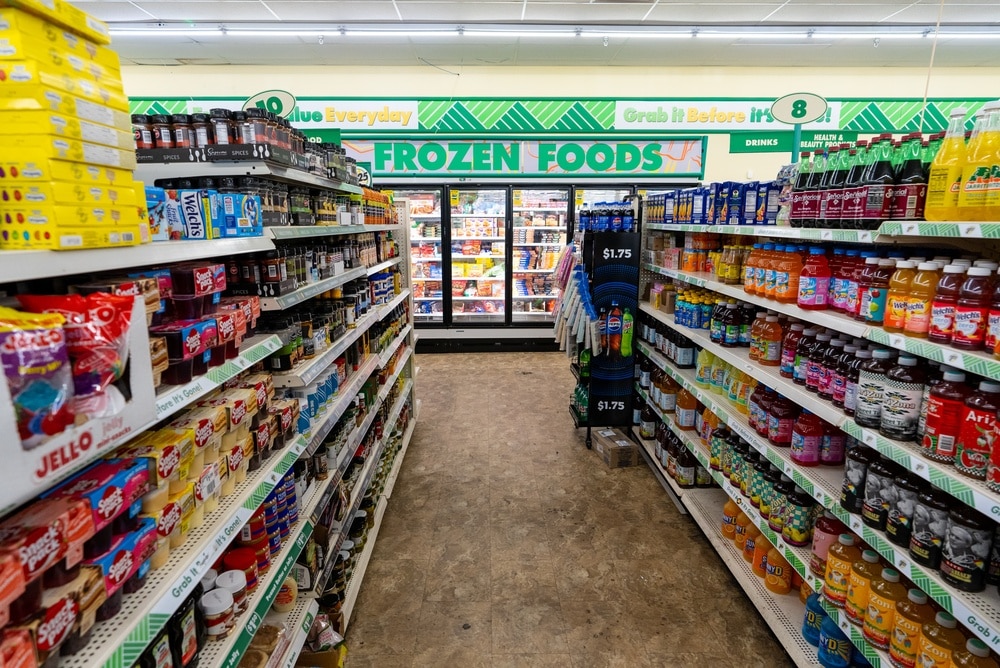

For families trying to stretch a grocery budget, the nearest dollar store can be more necessity than bargain hunt. These stores offer inexpensive, convenient food in communities where a traditional supermarket may be farther away or simply cost too much. But new research is raising questions about what happens when affordable access comes with fewer nutritious choices. The issue is more complicated than telling shoppers to go elsewhere, because for many households, “elsewhere” may not be a realistic option.
Researchers Found A Troubling Health Pattern

New UC Riverside research found that communities with greater access to dollar-store food had higher rates of obesity, high blood pressure, high cholesterol and type 2 diabetes. Traditional grocery-store access, meanwhile, was associated with better health measures. Importantly, the findings show an association rather than proving that shopping at a dollar store causes disease. The pattern persisted after researchers accounted for factors including income and unemployment.
What Researchers Actually Measured
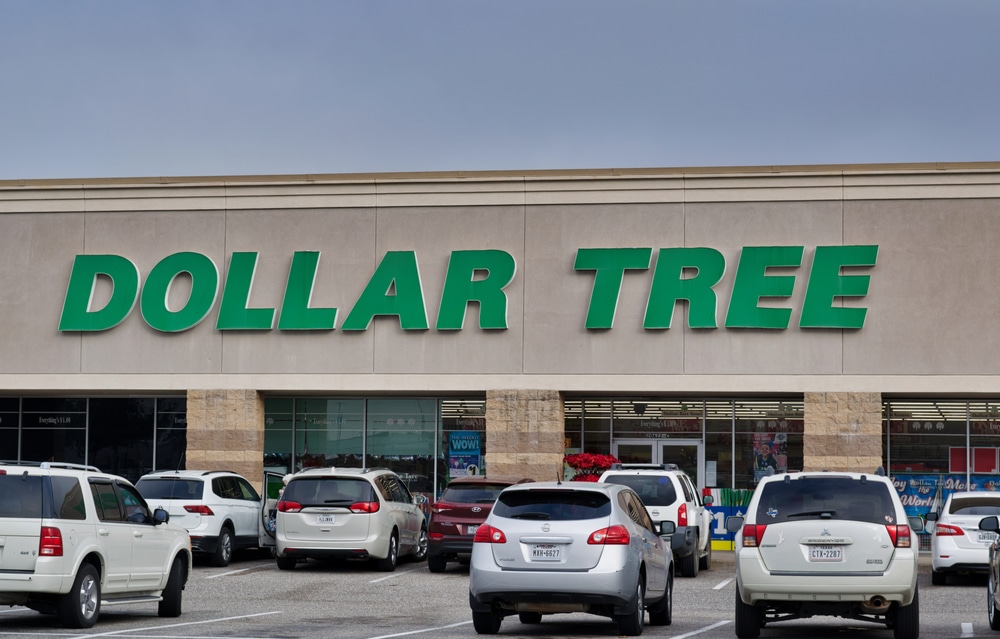
The study used health information from the Centers for Disease Control and Prevention’s 500 Cities Project and mapped Dollar General, Dollar Tree, Family Dollar and the former 99 Cents Only Stores. Researchers examined how many outlets were within a roughly 10-minute drive of residential areas and incorporated a social vulnerability measure reflecting difficulties communities face affording necessities such as food. The geographic approach allowed them to compare store access with community-level health patterns rather than individual shopping habits.
The Problem Is What Makes The Shelf
Researchers point toward food quality, rather than low prices themselves, as the concern. Dollar stores tend to emphasize shelf-stable products such as sugary drinks, salty snacks, cereals and canned goods, while fresh produce and protein options can be limited. That distinction matters. A store can provide crucial calories at a manageable price while still making it difficult for shoppers to routinely assemble meals with the variety of fresh and nutrient-rich foods available at a full supermarket.
Dollar Stores Have Become Grocery Stores
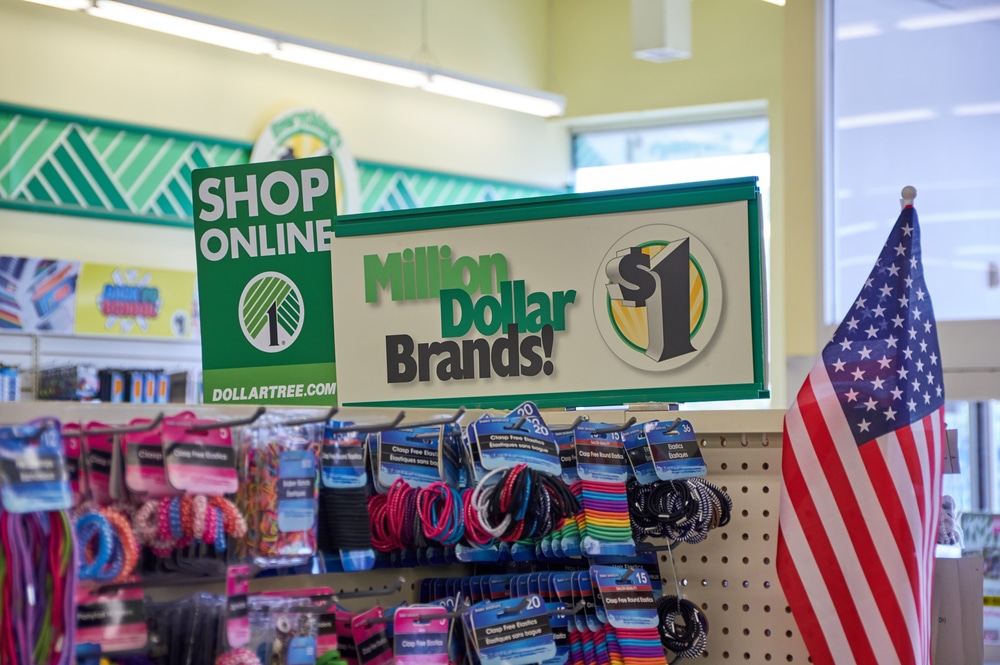
Their role in American diets is increasingly difficult to dismiss. More than 39,000 dollar stores operated in the United States in 2025, up by 4,700 from 2021, according to figures cited by AGDAILY. Dollar General alone had 20,959 locations, while groceries represented more than 80% of its 2025 sales. Yet the Census categorizes dollar stores as general-merchandise outlets rather than grocery stores, meaning their growing role in food consumption can be overlooked in research about food access.
Rural Communities Depend On Them More
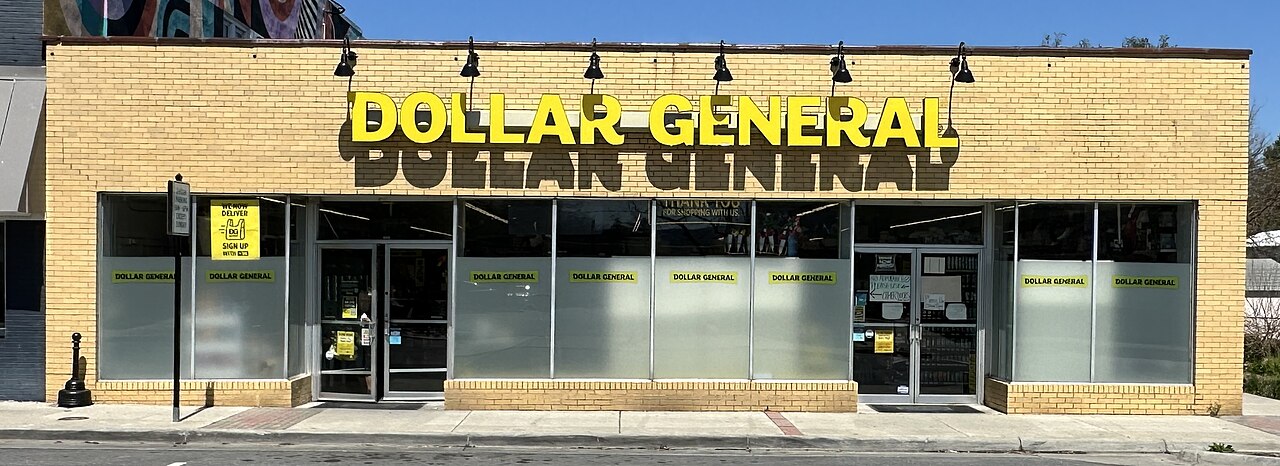
The trade-off becomes especially visible outside major population centers. From 2008 through 2020, dollar stores were the fastest-growing food-retail channel in rural America, increasing their share of household food purchases by 102.9%, according to research led by University of Rhode Island public-health professor Wenhui Feng. In communities where other food retailers are considerably farther away, a dollar store can effectively become the local food option. Shoppers therefore cannot necessarily solve the nutritional problem simply by choosing another retailer.
Affordability Changes What Choice Means
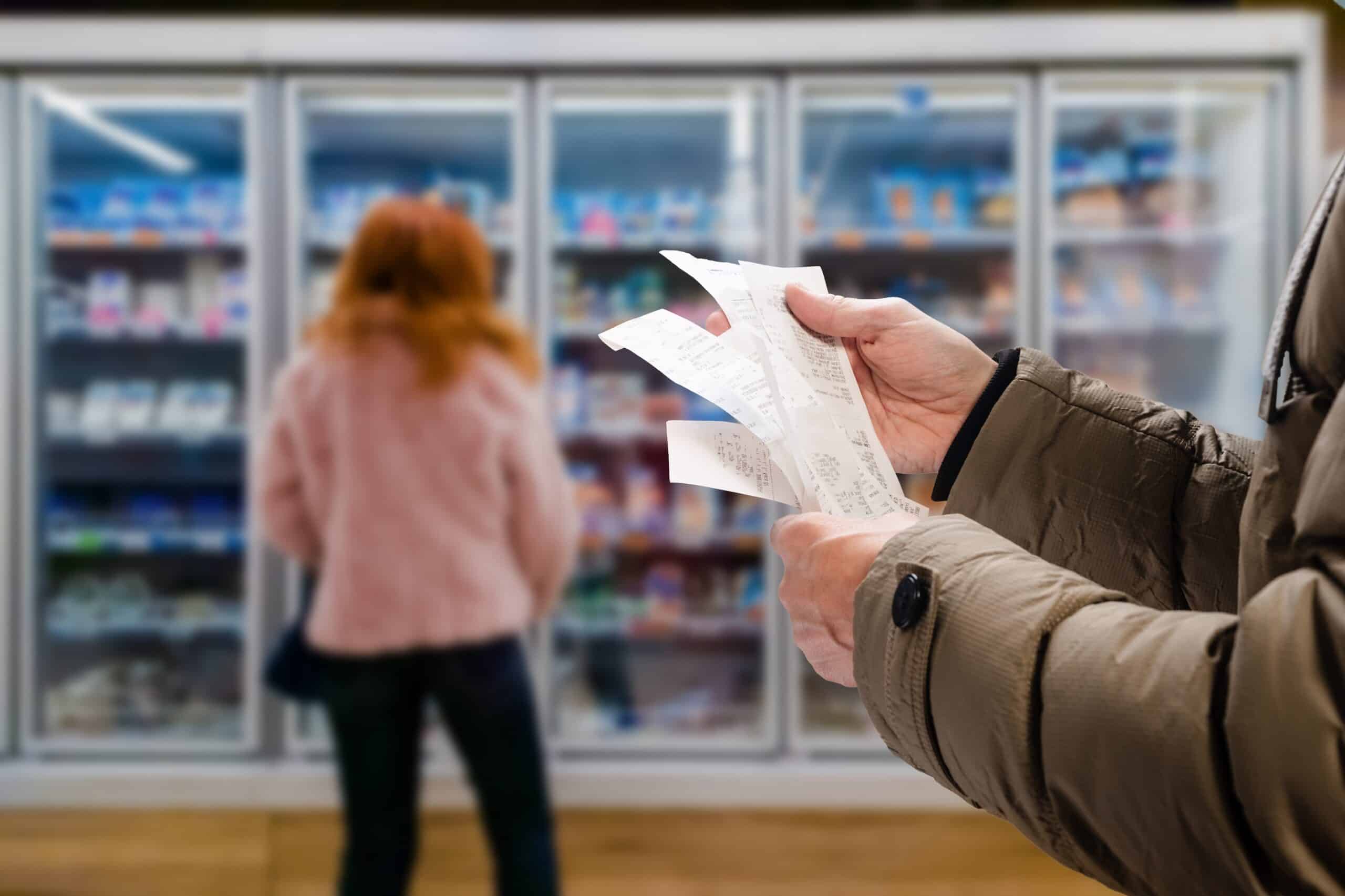
Food access is about more than whether a supermarket appears on a map. Families must also consider transportation, distance and, critically, whether they can afford what is on its shelves. Rising grocery costs can push consumers toward less expensive, highly processed foods, UC Riverside researcher Ryan Bruellman said. For households with little room in the budget, buying what is affordable today can understandably take precedence over potential health consequences years from now.
The Picture Varies From City To City
The relationship is not identical everywhere. Dollar stores and traditional grocery stores appeared in roughly equal proportions in parts of the South and Midwest examined by the UC Riverside research, potentially giving dollar stores greater influence there. Researchers also acknowledged limitations in their measurements. In Philadelphia, for example, available data did not adequately capture bodegas and smaller independent grocers, which may provide additional choices and alter the relationship between dollar-store availability and community health.
Researchers Are Looking For Realistic Solutions
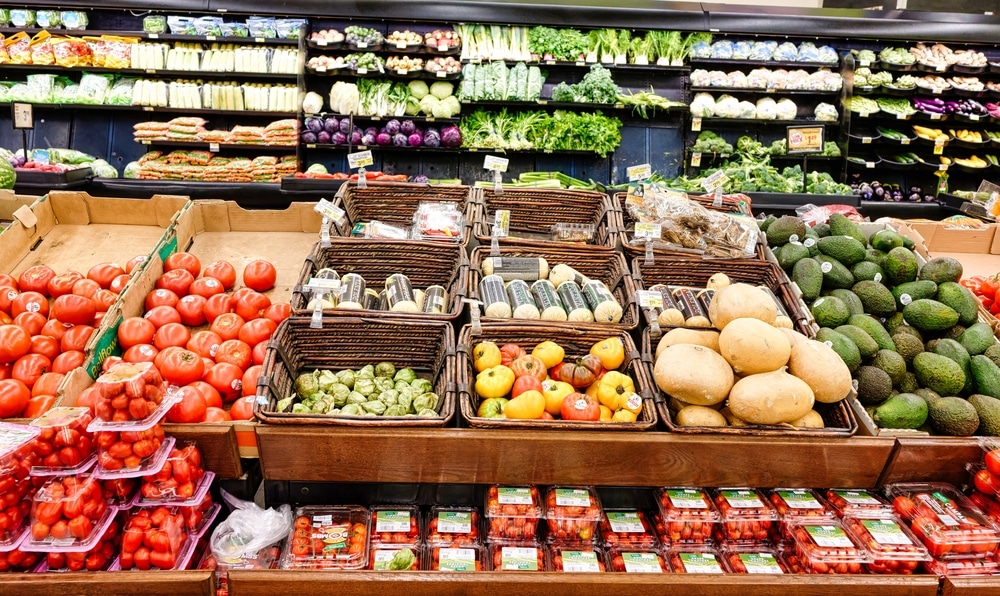
Rather than calling for fewer dollar stores, researchers are examining how to make healthier food available where people already shop. Suggestions include partnerships with local farmers to put more produce inside stores and locating farmers markets and food banks closer to dollar-store communities. Feng is also leading a three-year, USDA-funded study that will work with shoppers in Minnesota and Louisiana and develop resources aimed at helping lower-income households stretch their budgets while improving nutrition.
The Next Question Is What Affordable Food Looks Like
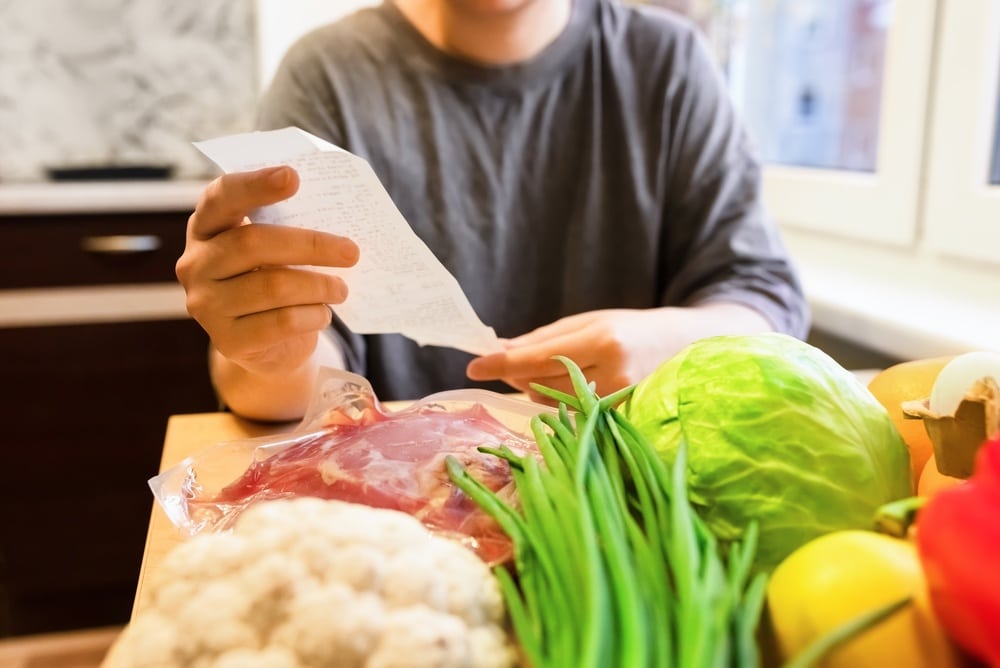
The emerging policy challenge is not simply increasing the number of places selling food. It is making nutritious food realistically affordable and accessible inside the communities where people already live and shop. Feng’s team plans pilot initiatives involving education, community outreach and potentially cooking demonstrations, while the UC Riverside researchers want policymakers to broaden how they think about healthy-food access. The next step will be determining whether healthier choices can become as convenient and financially practical as the dollar-store foods families already depend on.