These Grocery Chains Rank Lowest in Customer Satisfaction. Is Your Favorite Store on the List?


You stop in for milk and eggs. The shelf says one price, but the register says another. You walk to the help desk, and nobody is there. Sound familiar? A big yearly survey just scored 20 U.S. grocery chains on how happy their shoppers are. Ten of them scored at or below average, and some of the biggest names in your neighborhood landed at the very bottom.
The Best and Worst Grocers Are Only 13 Points Apart
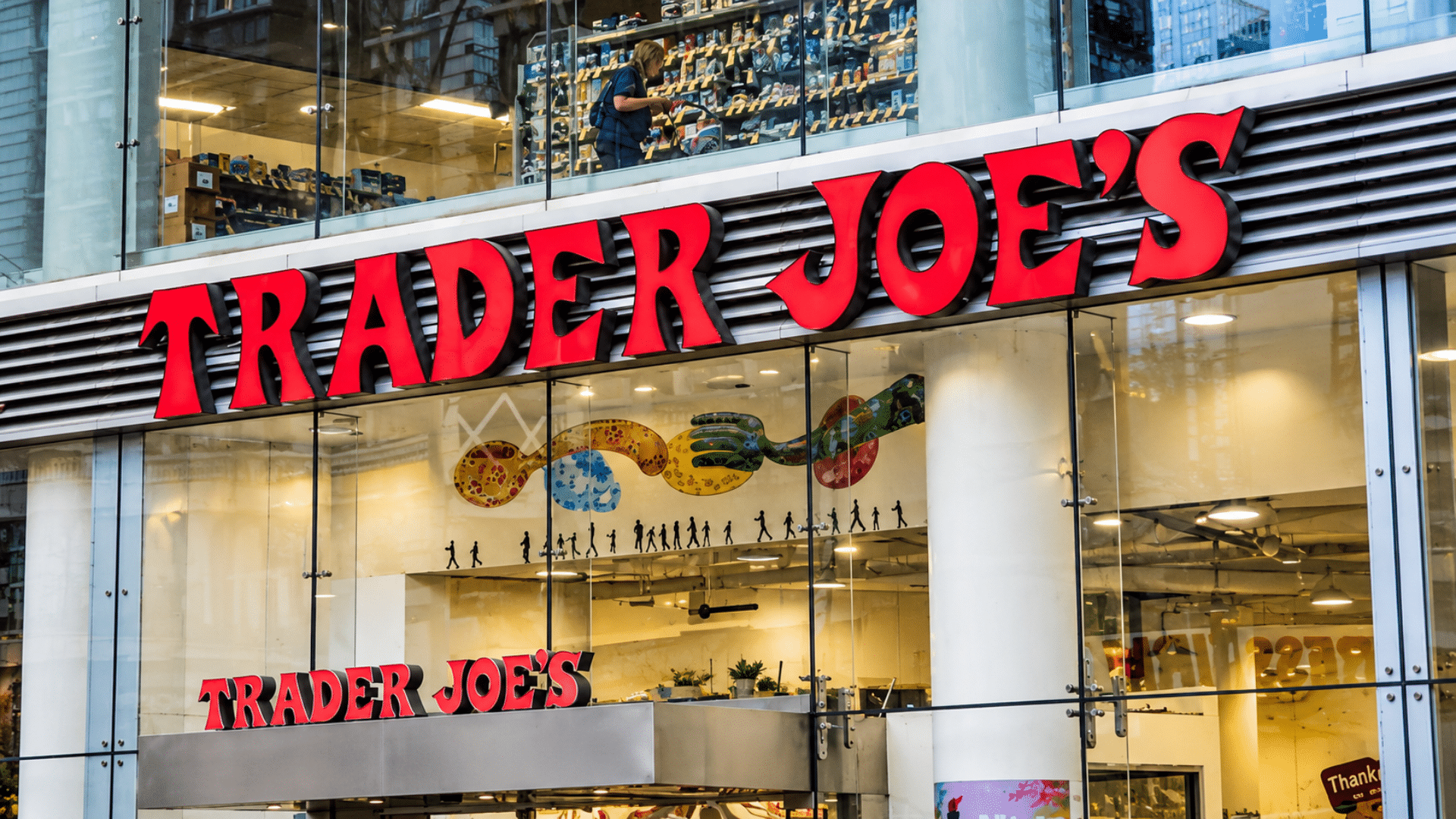
The gap between the best and worst grocers is smaller than you might think. The American Customer Satisfaction Index, or ACSI, scores stores out of 100. It based its 2026 results on more than 31,000 surveys of random customers during 2025. Trader Joe’s came in first at 86. The industry average was 78. The last-place chain scored 73, just 13 points behind the leader.
Giant Eagle Is Last Again, and Kroger Wants to Buy It
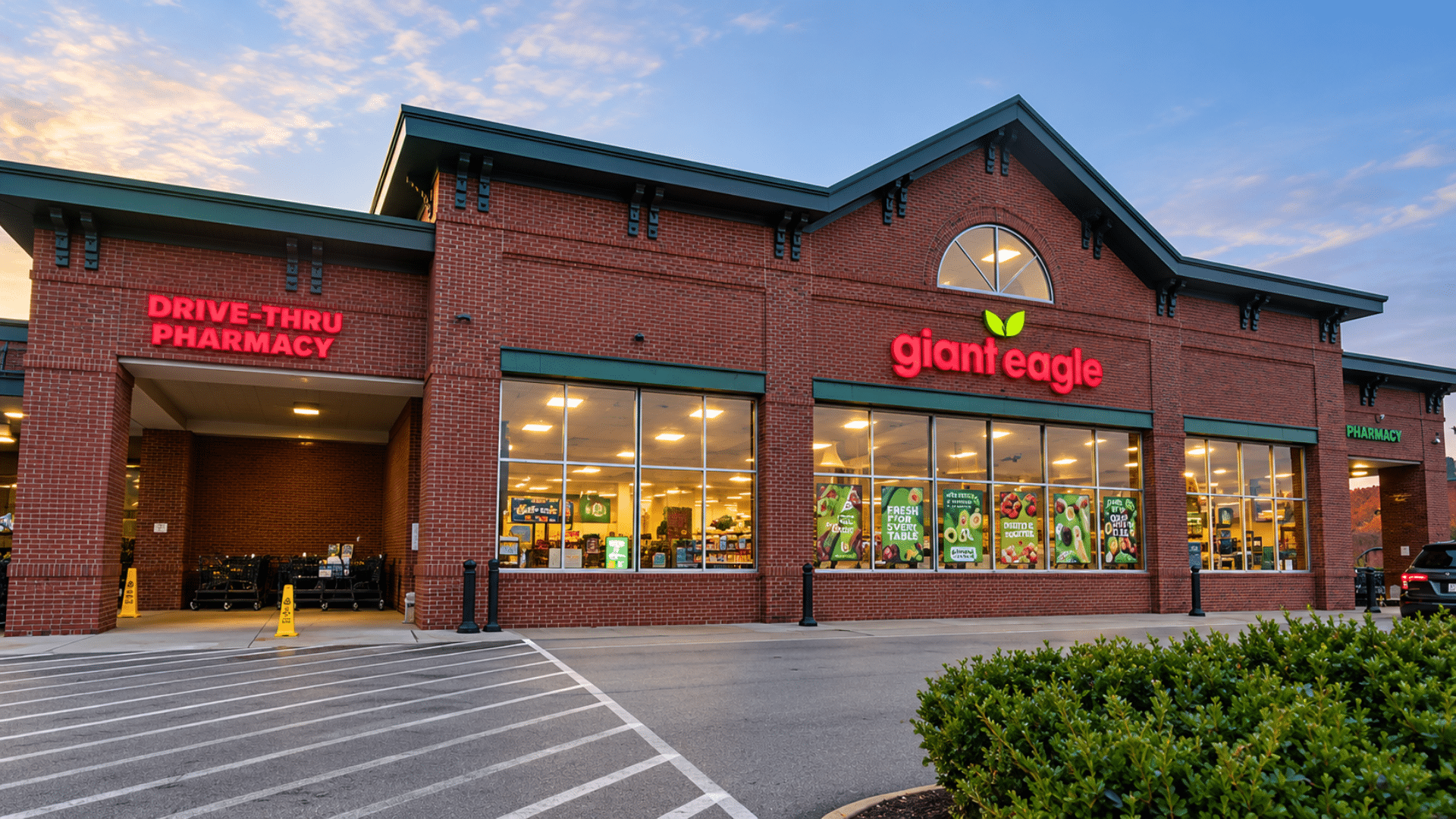
Giant Eagle landed in last place for the second year in a row. It scored 73, down one point. Shoppers online complain about crowded parking lots, long lines, empty shelves, and prices that run higher than rivals. Kroger announced plans in July to buy the chain, which has about 197 supermarkets, and expects the deal to close in 2027. Kroger itself scored 78, only average.
A “Free” Deal Is Only a Deal if the Price Is Fair
Albertsons, the owner of Safeway, Vons, and Jewel-Osco, ranked second from the bottom at 74, down 3 percent from last year. Washington State’s attorney general also sued the company in April. The state claims Albertsons raised prices before running “buy one get one free” deals, affecting more than 3 million purchases. Those are allegations, not court findings. For shoppers, a “free” deal is only a deal if the starting price is fair.
Walmart’s Name Isn’t the Problem, but Its Stores May Be
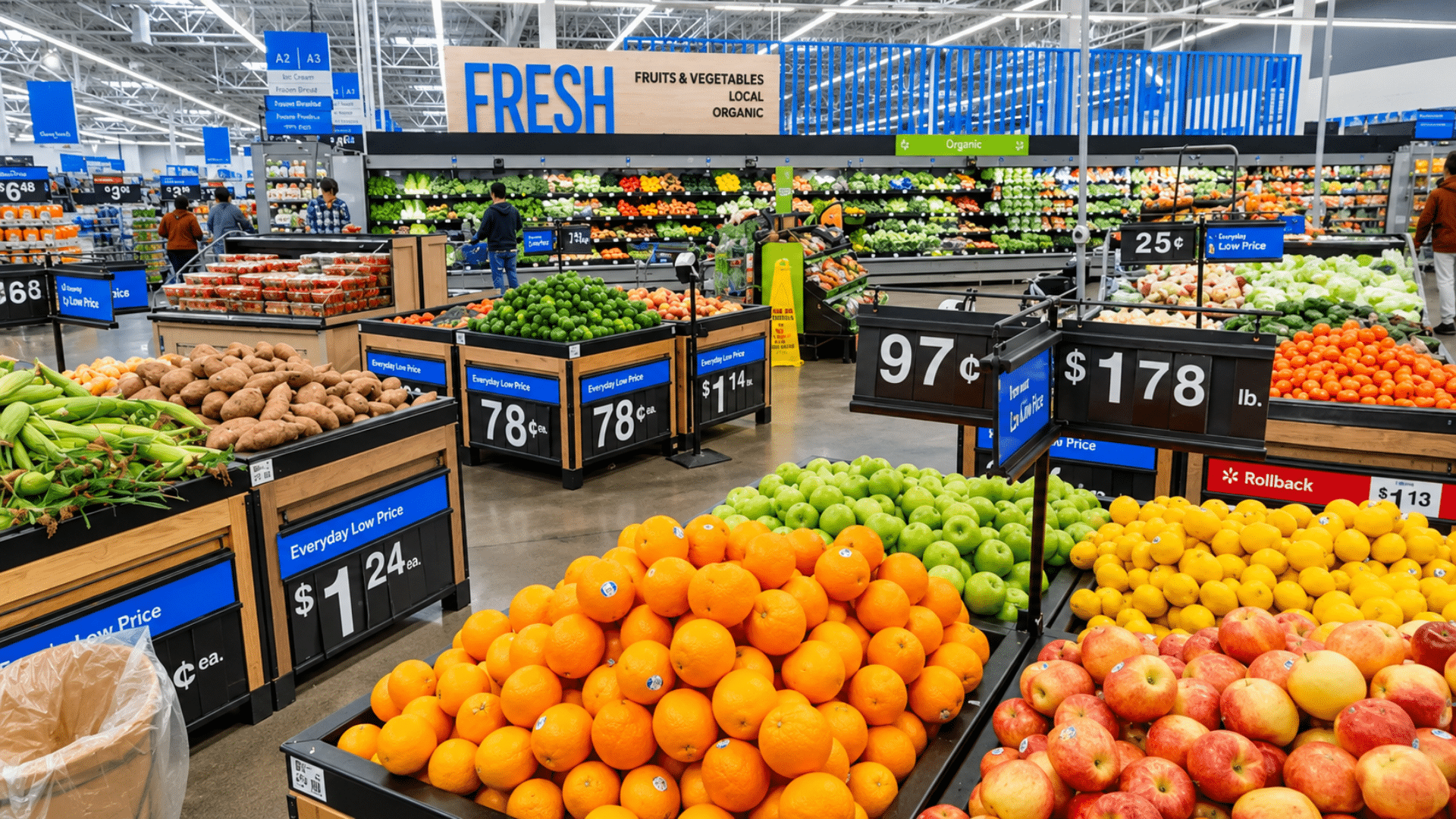
Walmart took the third-lowest spot at 75, and the score did not change from last year. Shoppers on Quora complain about missing shelf tags, spoiling produce, and clerks who ignore people standing nearby. Walmart has a “10-foot rule” that tells workers to greet anyone within 10 feet, though workers say it has not caught on. Its sister chain, Sam’s Club, scored 82. So the Walmart name alone is not the problem.
When Staff Struggle, Shoppers Feel It at the Register
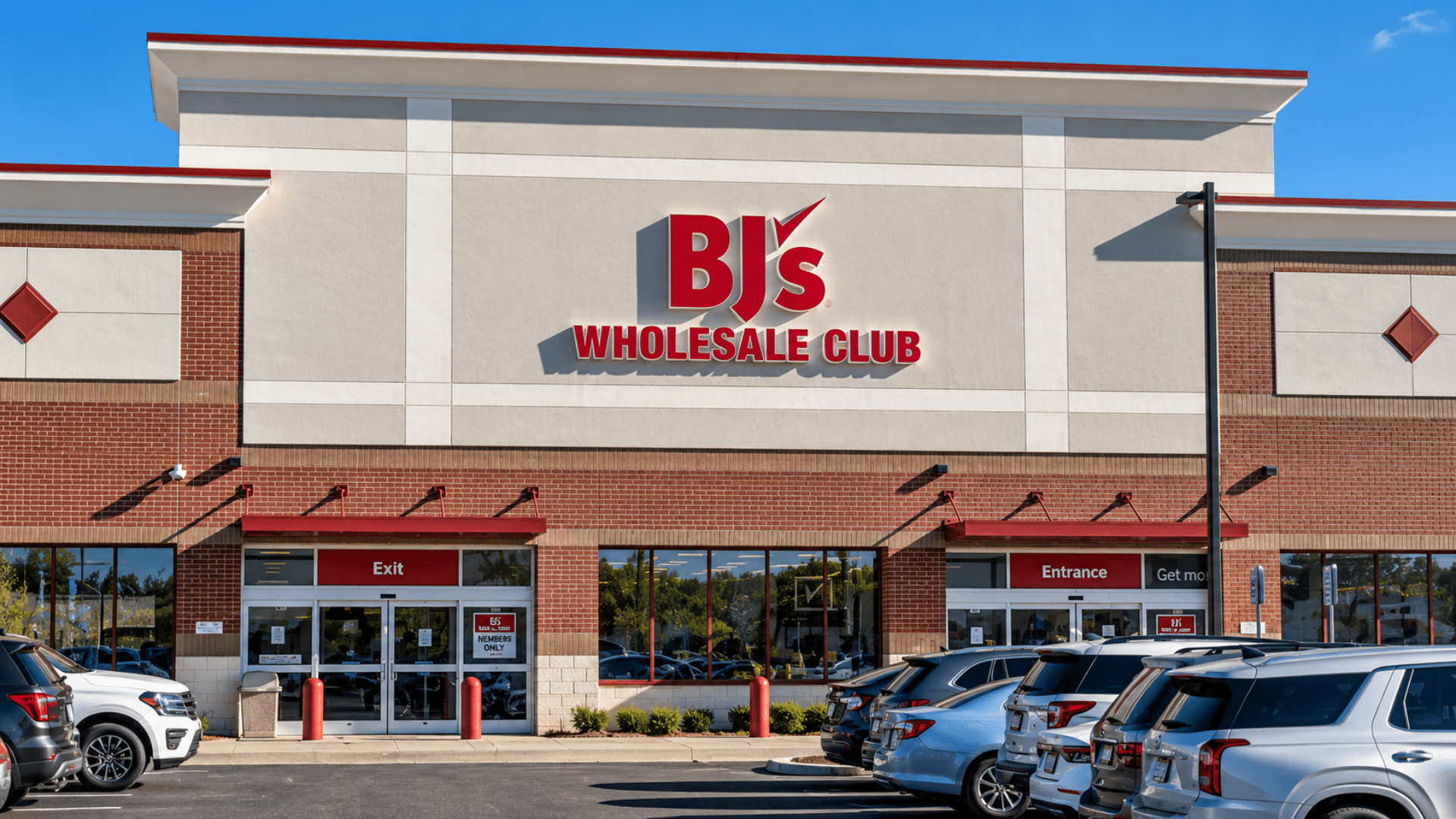
Hy-Vee and BJ’s Wholesale Club also sit in the bottom five. Hy-Vee scored 76, down 3 percent, and BJ’s scored 77. Hy-Vee faces a class-action lawsuit from managers who claim they worked long weeks without overtime pay. The company has not been found at fault. At BJ’s, shoppers tell the Better Business Bureau about wrong membership charges and refunds that never arrived. When staff and systems struggle, shoppers feel it at the register.
Even a Fan-Favorite Chain Can Lose Its Shine

Wegmans fell harder than any other chain on the list. Its score dropped from 83 to 78, the steepest slide among the 20 chains rated. ACSI said shoppers were less happy with store layout, staff courtesy, and checkout speed. That puts a once-beloved brand level with Kroger, Meijer, and Ahold Delhaize, the owner of Stop & Shop and Food Lion. All sit right at the industry average. Loyal fans may see that drop first.
A Low Score Is Not a Life Sentence
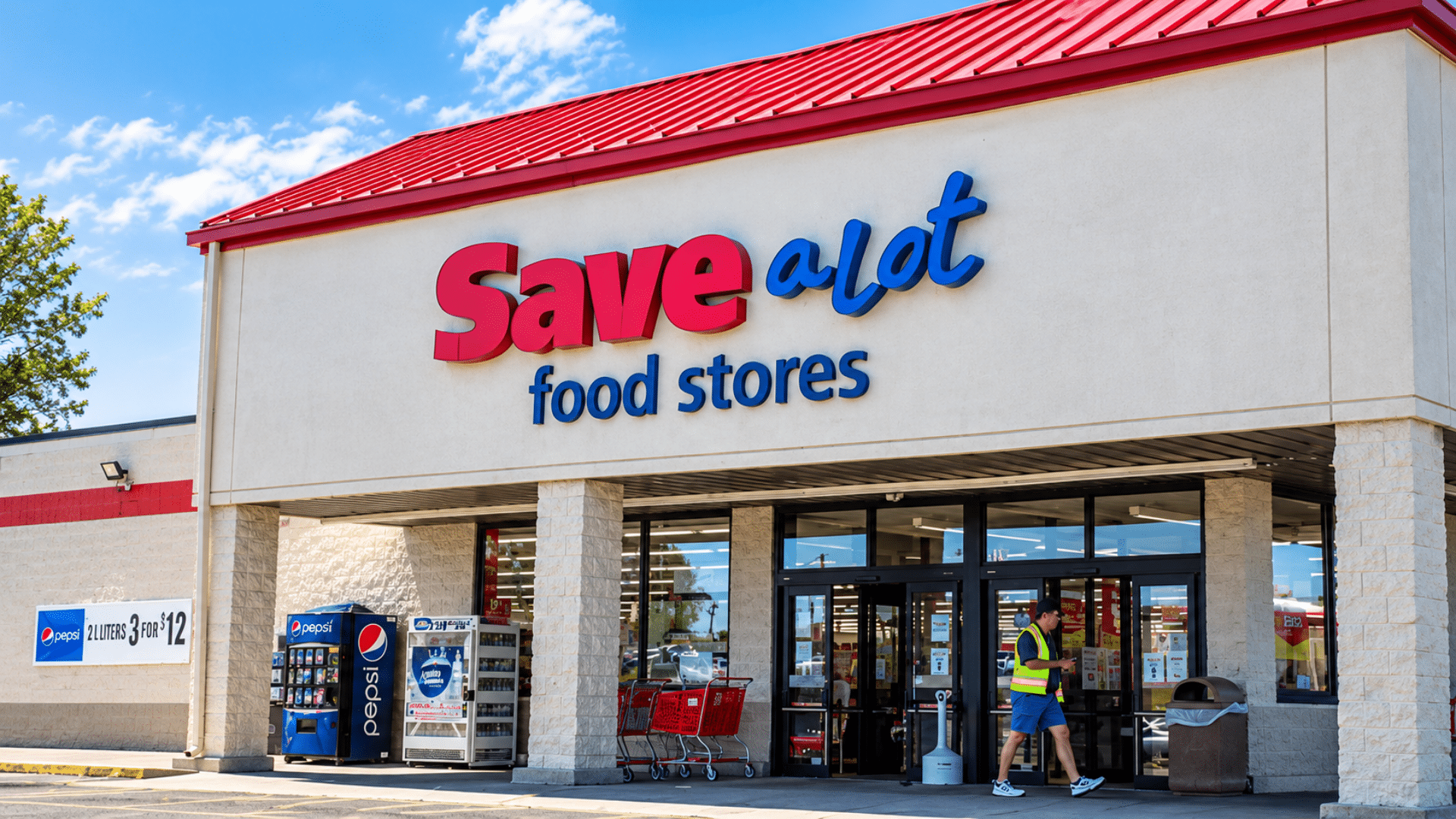
A low score is not a life sentence. Save A Lot also scored 78, but it gained more than any other chain. ACSI credited its loyalty program, mobile app, and store remodels. The chain still draws complaints about expired food and messy shelves from shoppers on review sites. Even so, the jump shows that fixing the basics can win people back, and quickly.
Grocers Keep Pennies, So Service Is the First Thing to Slip
Thin profits make good service harder to protect. Vanta Insights, a business research firm, reports that the average grocery store keeps only 1 to 3 percent of its sales as profit. That is a few cents on every dollar you spend. When costs rise, stores can cut workers or let aging food sit longer. Shoppers notice fast. Remember that quality also varies by location, so your local store may do better or worse.
Your Own Receipt Tells the Truest Story
That broken shelf tag and empty help desk are the moments this survey tried to measure. The scores show a pattern, not a verdict. The best and worst chains are only 13 points apart, and any of them can change course. Your own store, your own cashier, and your own receipt tell the truest story. Check the price, speak up, and let your shopping dollars do the voting.