Walmart Is Making Billions Beyond Groceries, and You May Be Part of the Profit Engine Without Knowing It

Scroll through the Walmart app and you’ll likely pass a small gray label reading “Sponsored” without giving it a second thought. It looks too small to matter. According to a research note from Goldman Sachs shared in September 2026, that little label now sits behind one of the most profitable parts of Walmart’s entire business, outperforming the margins on the groceries and household goods the company actually sells. Understanding how a retailer built on razor thin markups quietly became an advertising powerhouse reveals a lot about where big retail is actually headed, and why shoppers may increasingly be seeing more paid influence behind the products recommended to them.
This article was created with the assistance of AI and reviewed by our editorial team for accuracy and clarity.
The Margin Gap That Caught Wall Street’s Attention

The numbers behind this shift are genuinely striking. Ryan Mayward, general manager of Walmart Connect, the company’s advertising division, told investors at a Goldman Sachs conference this month that the unit’s margins now run above 70 percent. Compare that to Walmart’s core retail business, which operates on margins closer to just 5 percent, according to data reported by MarketBeat. That gap explains why a business built around selling ad placements inside a shopping app has become so strategically important to a company historically known for competing almost entirely on low prices.
Just How Fast This Advertising Business Is Growing

Walmart Connect isn’t a small side project either. Goldman Sachs noted the unit has grown more than 40 percent year over year for several consecutive quarters, consistently pushing operating income up faster than overall sales growth. Public earnings data backs this up directly. Walmart Connect’s U.S. business grew 41 percent in the most recent fiscal fourth quarter, excluding revenue from its VIZIO acquisition, according to CNBC. Companywide, Walmart’s global advertising revenue reached 6.4 billion dollars for the year, up 46 percent, according to Marketing Dive, a scale that makes the ad business a genuinely material part of the company’s overall financial picture.
A Self Reinforcing Cycle Driving Even More Growth
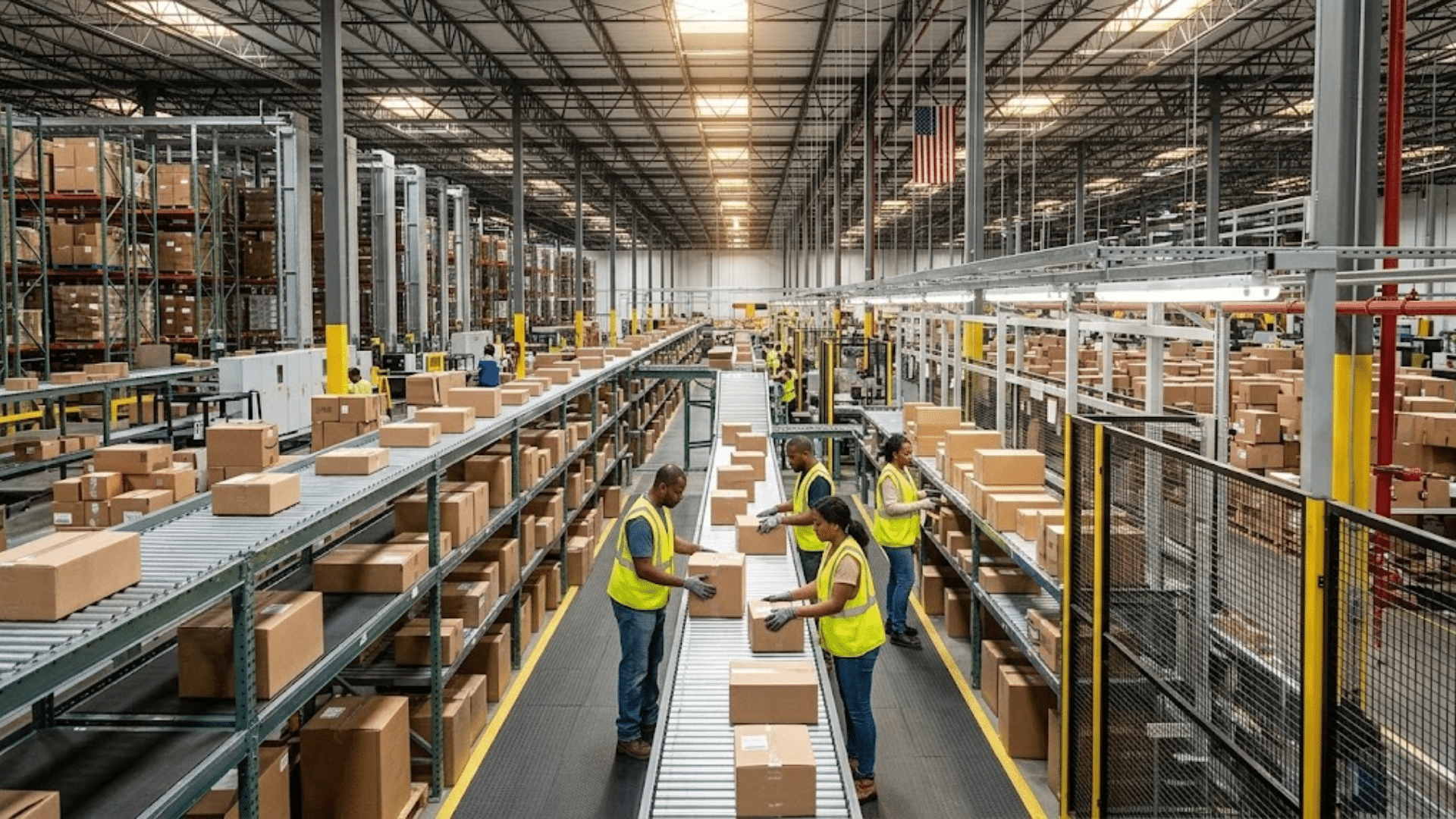
Part of what makes this growth especially durable is a kind of built in feedback loop within Walmart’s own online marketplace. As more independent, third party sellers join Walmart’s platform, they compete against one another for visibility by purchasing sponsored search placements, essentially paying to appear higher in search results. That spending directly funds further expansion of Walmart’s advertising business, which in turn attracts even more sellers looking to compete for those same valuable placements. It’s a self sustaining cycle where seller competition for attention becomes one of Walmart’s most valuable revenue streams.
How a TV Company Purchase Quietly Built an Ad Empire

Walmart’s advertising surge didn’t happen by accident. The company acquired VIZIO for roughly 2.3 billion dollars in a deal that closed in December 2024, gaining a connected television platform that puts Walmart’s shopper data behind ads running on millions of television screens nationwide. That bet paid off. VIZIO’s operating system became the top selling smart TV platform in the United States during the first half of 2026, according to Goldman Sachs. Walmart is now extending that same software into its private label Onn televisions, further expanding how many screens its advertising reach can actually touch.
Opening the Door for Small Businesses to Buy TV Ads

In August 2026, Walmart completed a separate acquisition, purchasing Vibe.co, a self service streaming advertising platform, for a price The Wall Street Journal put at roughly 1.4 billion dollars. This deal matters for a different reason than the VIZIO purchase. It opens connected television advertising specifically to small businesses that have likely never purchased a traditional TV ad before, giving Walmart Connect an entirely new base of advertisers who previously would have found television advertising far too expensive or complicated to access on their own.
Expanding Reach Beyond Walmart’s Own Platforms

Walmart’s advertising ambitions extend well beyond its own app and websites too. The company has struck advertising partnerships with Magnite, Yahoo’s demand side platform, and Google’s YouTube. These partnerships allow advertising agencies to specifically target Walmart shoppers across those external platforms without needing to switch between different advertising tools or systems. In practice, this means Walmart’s shopper data and advertising reach now extend considerably beyond anywhere a customer might actually be shopping directly on a Walmart owned platform.
When Your AI Shopping Assistant Might Be Getting Paid

Walmart is also testing advertising inside Sparky, its AI powered shopping assistant. Roughly half of Walmart’s app users have tried Sparky so far, and according to Fortune, those who use it spend about 35 percent more per order compared to shoppers who don’t. That raises a genuinely interesting question for the future of shopping. The AI tool answering a simple question like what to buy for taco night may increasingly be shaped by which brands have paid for better placement. Walmart says it wants to keep ad density low enough that shoppers don’t consciously notice, though the financial incentive to expand that advertising presence will likely keep growing given how much more profitable ads are than the products themselves.
Every Major Retailer Is Racing to Copy This Playbook
Walmart’s advertising strategy fits into a much larger shift reshaping retail broadly. Amazon actually surpassed Walmart in total U.S. revenue this year for the first time in more than a decade, according to Fortune, a shift driven less by store count and more by which company moved faster to turn its shopping platform into a genuine media and advertising business. Target, Costco, and Kroger are all now racing to build similar advertising networks using their own shopper data, chasing the exact same high margin math Walmart has demonstrated so clearly. Even as AI powered shopping agents from companies like Google and OpenAI increasingly influence where people buy things, defaulting largely to whichever retailer offers the best price and fastest delivery, Walmart’s scale and consistent performance on those exact metrics positions it well to keep winning that competition too.
What This Means for Walmart Going Forward

Despite all this momentum, Walmart’s stock actually dipped slightly the day this Goldman Sachs research became public, closing down roughly 1 percent. Wall Street largely remains unbothered by that dip. Morgan Stanley carries an overweight rating with a 140 dollar price target, built around what the firm calls Walmart’s broader flywheel of e-commerce, membership, and advertising working together. Goldman Sachs itself rates the stock a buy with a 132 dollar target, and the broader consensus among 43 analysts tracked by S&P Global Market Intelligence lands at an average price target of 127.43 dollars. For everyday shoppers, the bigger takeaway is simpler. That small gray “Sponsored” label scattered throughout the app isn’t just background noise anymore, it’s becoming one of the most important parts of how Walmart actually makes its money.