Walmart Is Outperforming Luxury Retailers, and That’s Not Necessarily Good News for Americans


A shopping cart full of bargains might be telling Wall Street something a designer handbag cannot. Walmart has been outperforming luxury retailers in the stock market, and investors are paying attention. Normally, that sounds like a straightforward success story for America’s biggest retailer. But longtime investment strategist Jim Paulsen sees another possibility: households may be becoming more careful with their money. His unusual economic warning system helps explain why a discount retailer’s winning streak could signal trouble elsewhere.
Shoppers Are Rethinking What They Can Afford
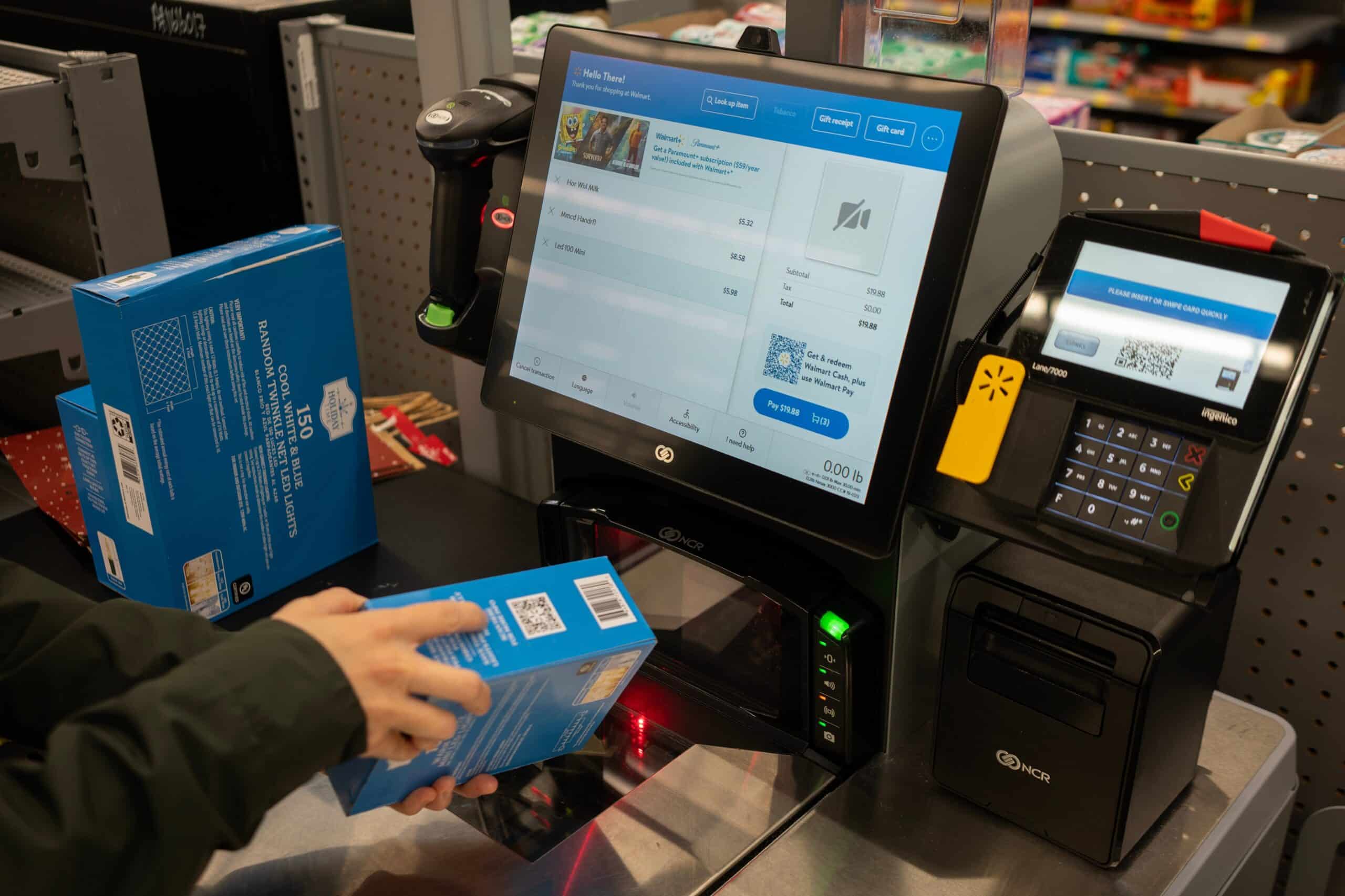
When budgets tighten, spending priorities change. Families still need groceries, cleaning supplies, and school essentials, but expensive accessories and other discretionary purchases become easier to postpone. Discount retailers can benefit as shoppers compare prices and stretch paychecks. Luxury brands, meanwhile, depend more heavily on consumers willing to spend beyond necessities. The contrast matters because it can reveal changing confidence before economic trouble becomes obvious in official statistics. Paulsen has developed a way to track that difference.
The Walmart Recession Signal Has a History
Paulsen calls his measure the Walmart Recession Signal, or WRS. It compares Walmart’s stock performance with the S&P Global Luxury Index, a basket of luxury-company shares. When Walmart gains ground against that index, the signal rises. According to Paulsen’s historical analysis, similar surges preceded the last four U.S. recessions and every Federal Reserve easing cycle since 1990. That doesn’t make the measure a guaranteed predictor, but its track record explains why investors are watching its latest movement closely.
The Latest Reading Is Hard to Ignore
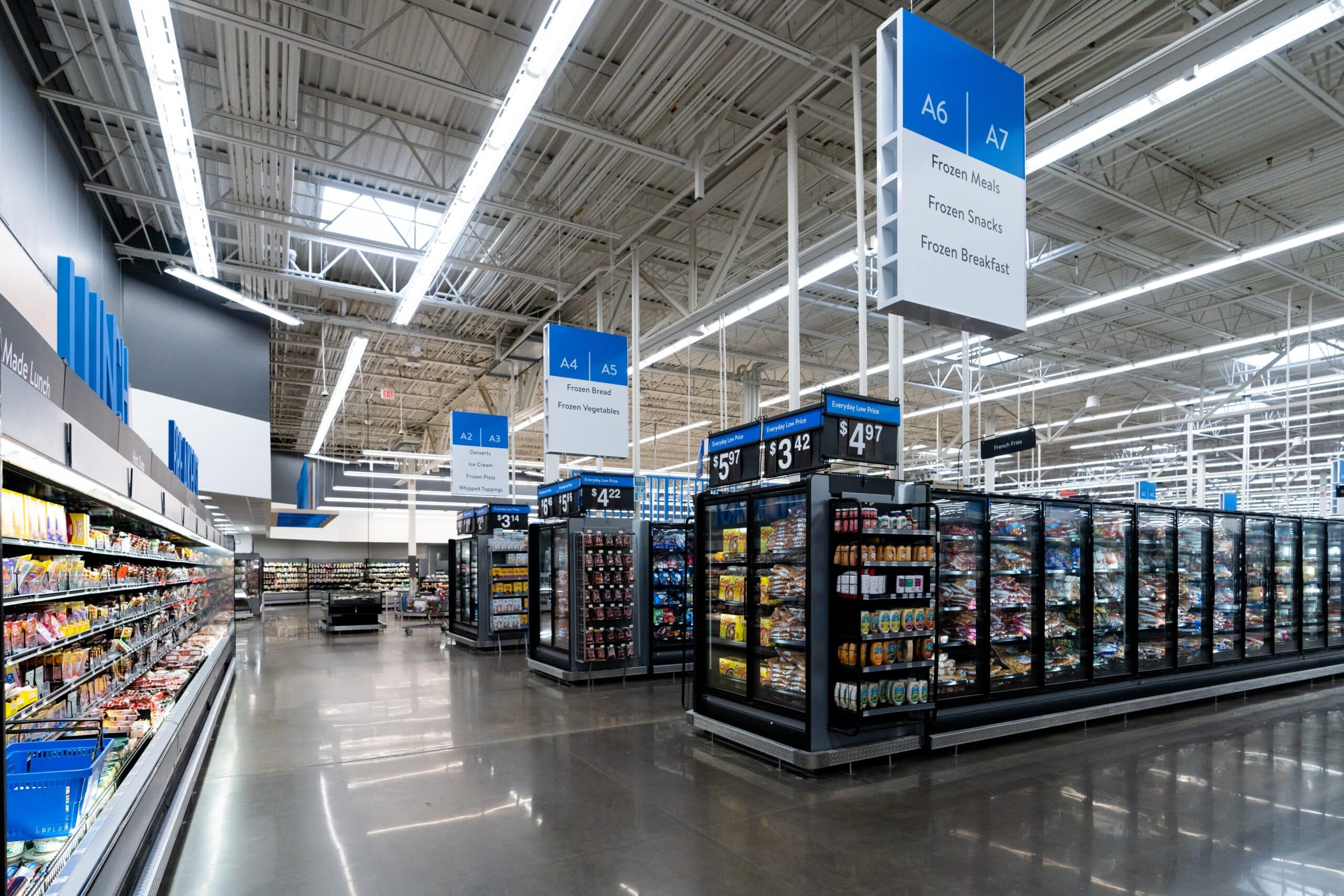
The recent numbers have sharpened the warning. In October 2026, Business Insider reported Paulsen’s estimate that Walmart had outperformed the S&P Global Luxury Index by approximately 21% since August. Earlier in April, BigGo Finance described the indicator reaching levels comparable to those surrounding the 2008 financial crisis. These are readings from different periods, not evidence that another 2008-style collapse is inevitable. They do, however, show why the discount-versus-luxury divide has become an economic talking point.
The Warning Goes Beyond Shopping Habits

The concern isn’t simply that fewer people want luxury goods. It is that spending restraint can spread through the economy. When consumers postpone purchases, retailers may reduce orders, suppliers may slow production, and employers may reconsider hiring. Paulsen argues that financial pressure among lower- and middle-income households can eventually affect broader economic activity. He described the trend as evidence of renewed economic weakness that could force policymakers to respond. That possibility leads directly to the Federal Reserve.
Interest Rates Could Be the Next Clue
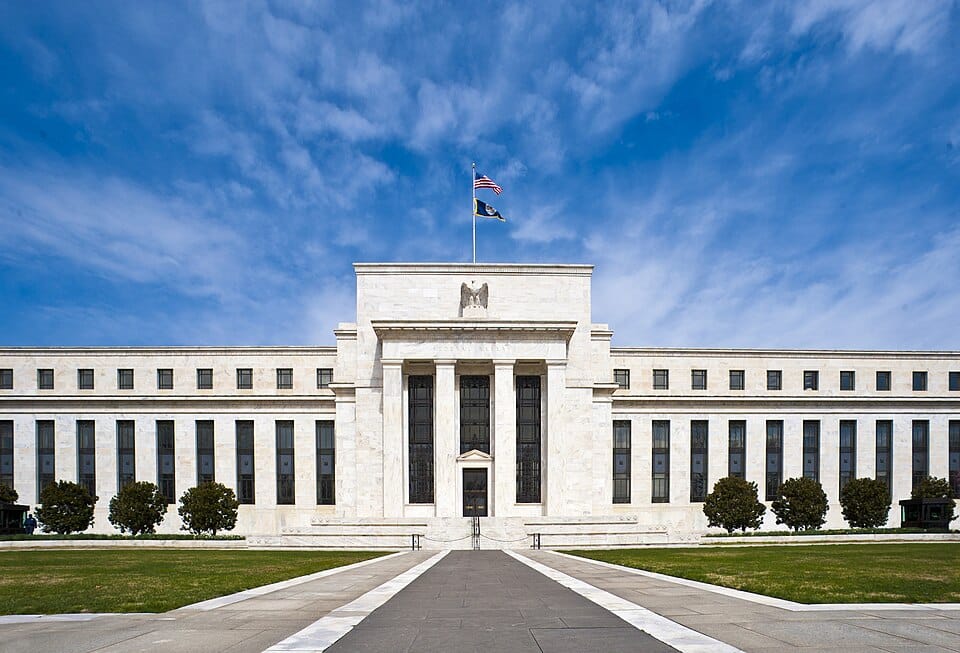
Paulsen believes a sustained rise in the Walmart Recession Signal could foreshadow Federal Reserve interest-rate cuts. The central bank generally lowers rates when supporting weakening economic activity becomes more urgent than restraining inflation. Lower borrowing costs can eventually help households and businesses, but cuts prompted by deteriorating conditions aren’t automatically good news. The Independent reported Paulsen’s view that the signal could warn of either recession or a substantial slowdown. Yet another set of indicators complicates that interpretation.
Not Every Economic Indicator Agrees
A strong Walmart signal doesn’t mean every corner of the economy is flashing red. BigGo Finance highlighted Paulsen’s observation that private-credit conditions and unemployment patterns have historically aligned with the warning, while public corporate-bond spreads have recently offered a less alarming picture. That disagreement matters because investors and lenders don’t always respond to economic uncertainty simultaneously. Paulsen himself cautioned in Business Insider: “The WRS is but a single indicator and is not necessarily the definitive voice.” The uncertainty extends beyond financial markets.
Reddit Users Question Walmart’s Broader Impact

The conversation also raises questions about what low prices mean for communities. In an r/Economics discussion, user u/Nyxelestia welcomed research examining whether Walmart’s arrival affects local incomes, writing, “We need scientific rigor and institutional backing to effect change in policies and culture.” Another commenter questioned whether Walmart actually causes economic distress or simply opens stores in struggling communities. Their disagreement reflects a larger debate about whether cheap shopping always translates into greater prosperity.
Lower Prices Don’t Tell the Whole Story
Research discussed in The Atlantic examined economic changes after Walmart Supercenters opened in communities. One study estimated that average household income was 6% lower after ten years than in comparable areas without a new Supercenter. Those findings challenge the idea that consumer savings alone measure a retailer’s economic contribution. But local outcomes can vary. Reddit user u/lost_in_life_34 described a rural Ohio town where Walmart’s arrival coincided with additional shops opening nearby. That contrast shows why both prices and local employment matter.
The Next Test Is What Consumers Do

The coming months will show whether Walmart’s relative strength reflects temporary bargain hunting or a deeper retreat in household spending. Investors will be watching employment, consumer purchases, credit conditions, and the Federal Reserve’s decisions alongside retail stocks. For ordinary Americans, the practical questions are more immediate: whether paychecks keep pace with expenses, jobs remain secure, and essential purchases stay affordable. Walmart can keep winning customers even as those pressures intensify. The important question is whether shoppers are choosing bargains or increasingly depending on them.