Wendy’s Restaurant Closures May Be a Warning Sign for America’s Fast-Food Industry
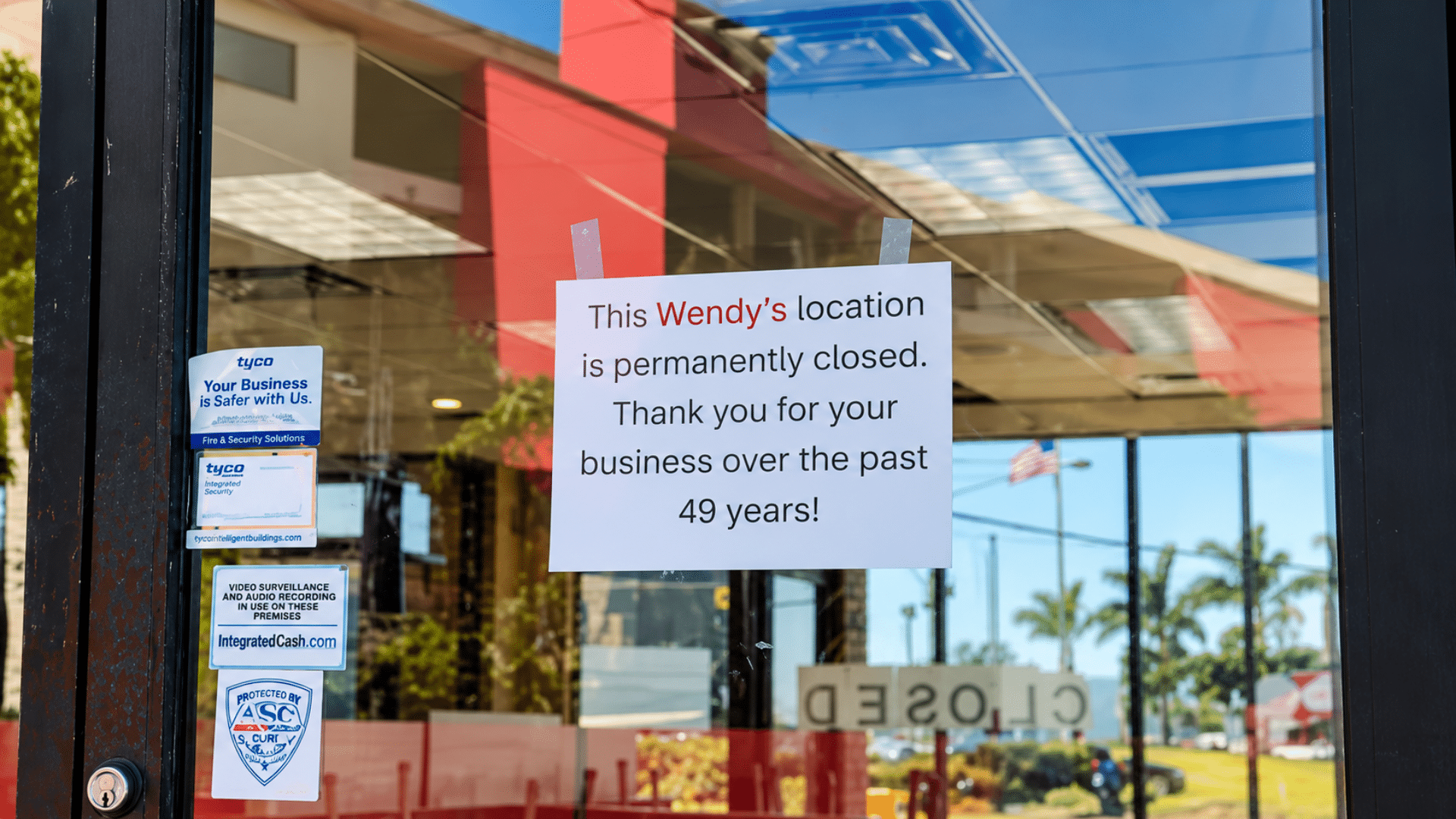

Hundreds of Wendy’s restaurants have shut their doors across the United States this year, and the burger chain’s leadership has publicly admitted the business is struggling. Analysts who follow the industry see the closures as a signal that reaches far beyond one company, touching customers, franchise owners and rivals alike. The first piece of evidence sits inside a quarterly earnings report Wendy’s released in August, and one figure in that document explains why so many drive-thru lanes went quiet.
Wendy’s Said in February It Would Close 5% to 6% of Its U.S. Restaurants by Midyear
The plan surfaced during a February earnings call: close 5% to 6% of U.S. locations in the first half of 2026. With 5,969 domestic restaurants at the end of 2025, that meant roughly 298 to 358 stores, and 28 had already closed in late 2025. Interim CEO Ken Cook said shutting underperformers would let franchisees focus on the best profit prospects. No list of affected restaurants came with the announcement, so customers discovered closures one locked door at a time.
Wendy’s Closed 289 U.S. Restaurants in Six Months, Pushing Its Domestic Count Below 5,800
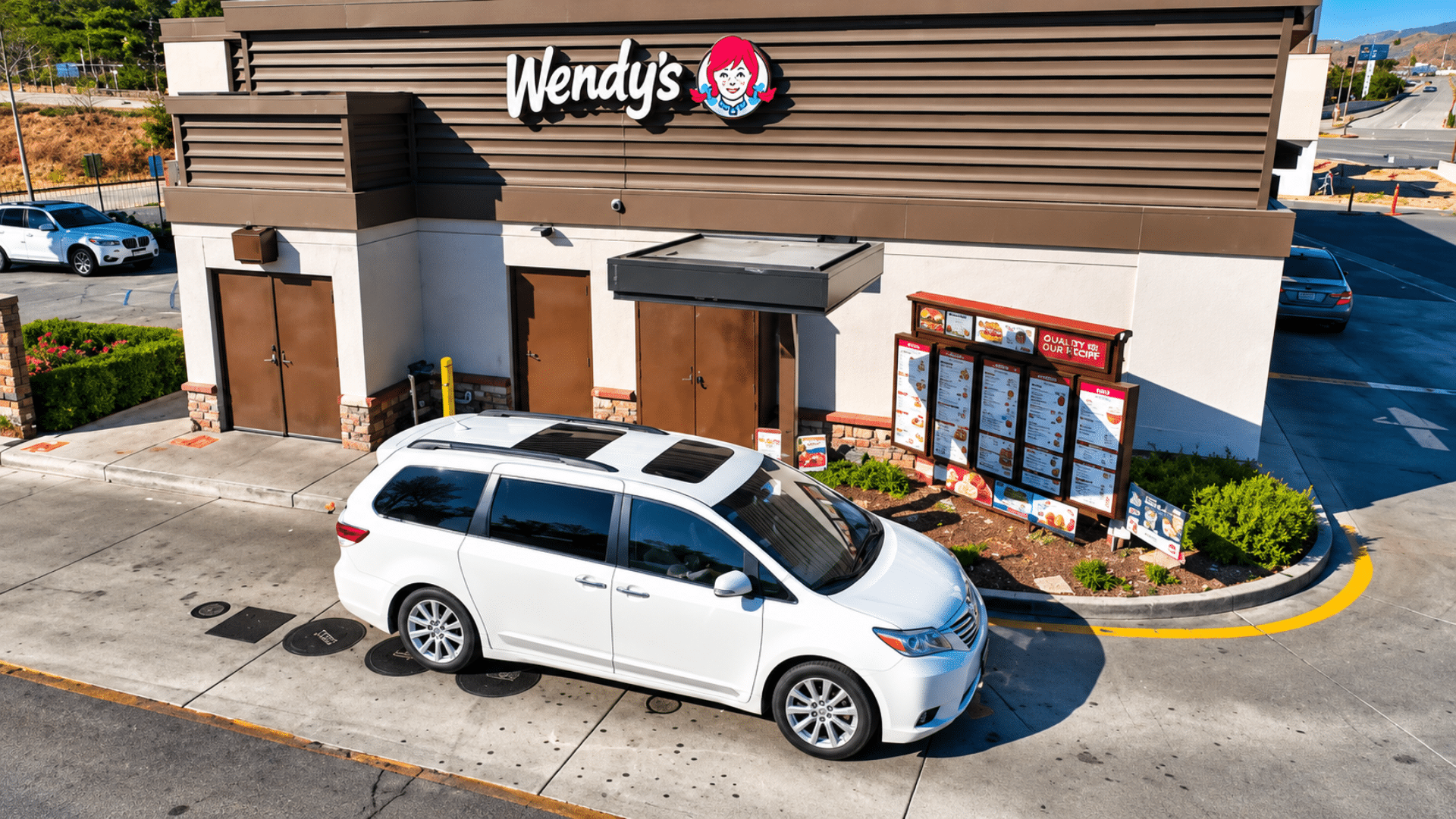
Reporting on the company’s second-quarter results shows Wendy’s closed 289 U.S. restaurants in the first half of 2026, inside the range it forecast. New openings softened the damage slightly: the domestic total slid from 5,969 at the end of 2025 to 5,724 by the end of June, a net loss of 245. Wendy’s opened only 21 U.S. restaurants in the second quarter. The same earnings release carried a sales figure that worried analysts far more than the closure count.
Customer Traffic at Wendy’s U.S. Restaurants Fell 12.5% Last Quarter, and July Looked the Same
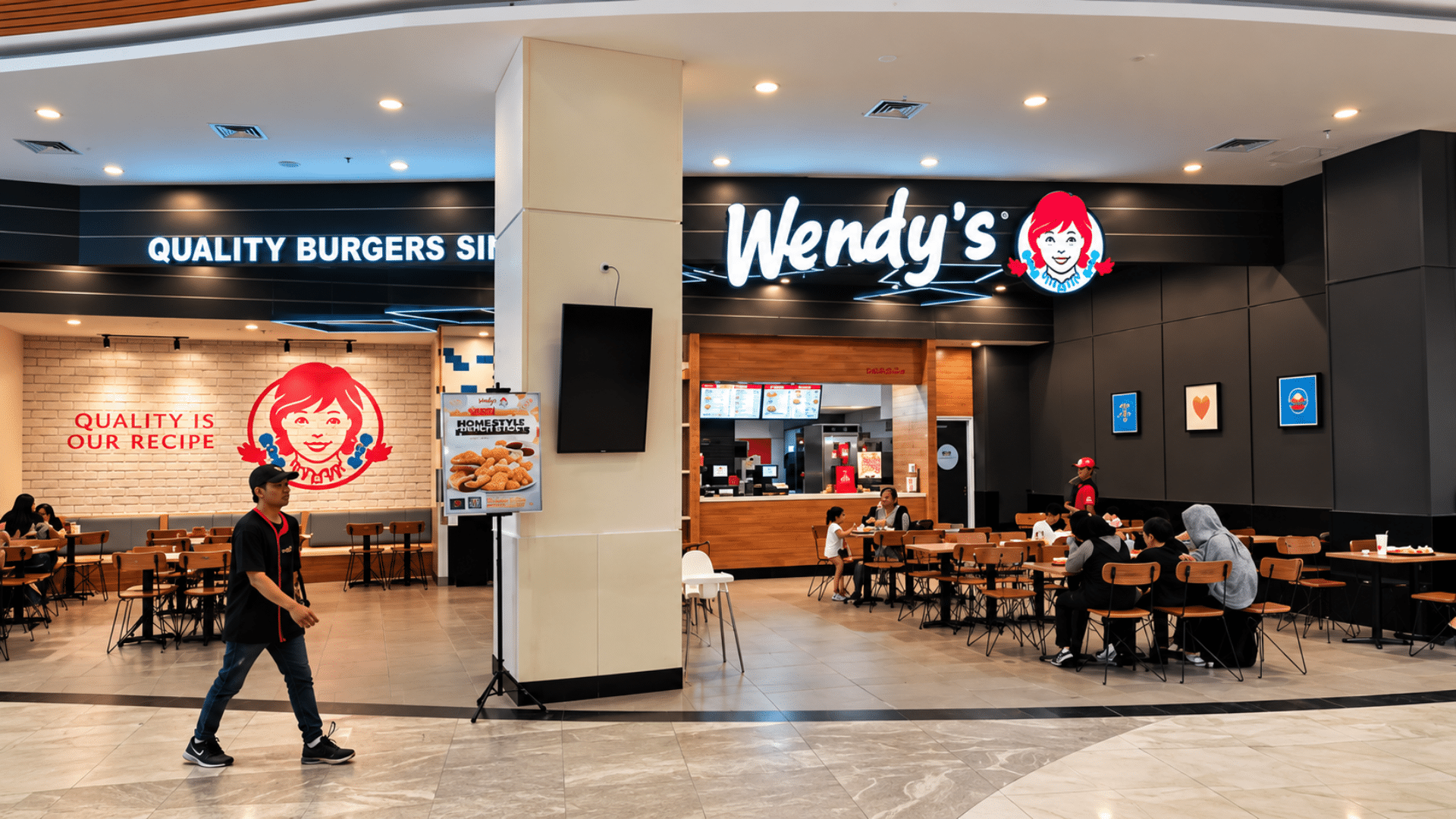
U.S. same-restaurant sales dropped 7% in the second quarter, and customer traffic fell 12.5%, according to the earnings call. Sales declined 6.4% in April, 7.5% in May and 7% in the final period of the quarter. Management said July traffic matched those trends and that the company does not expect year-over-year systemwide sales growth in either the third or fourth quarter. The results arrived under brand-new leadership, which used the same morning to make several unusual moves.
New CEO Bob Wright Pulled Wendy’s 2026 Outlook and Halved the Dividend on the Same Day
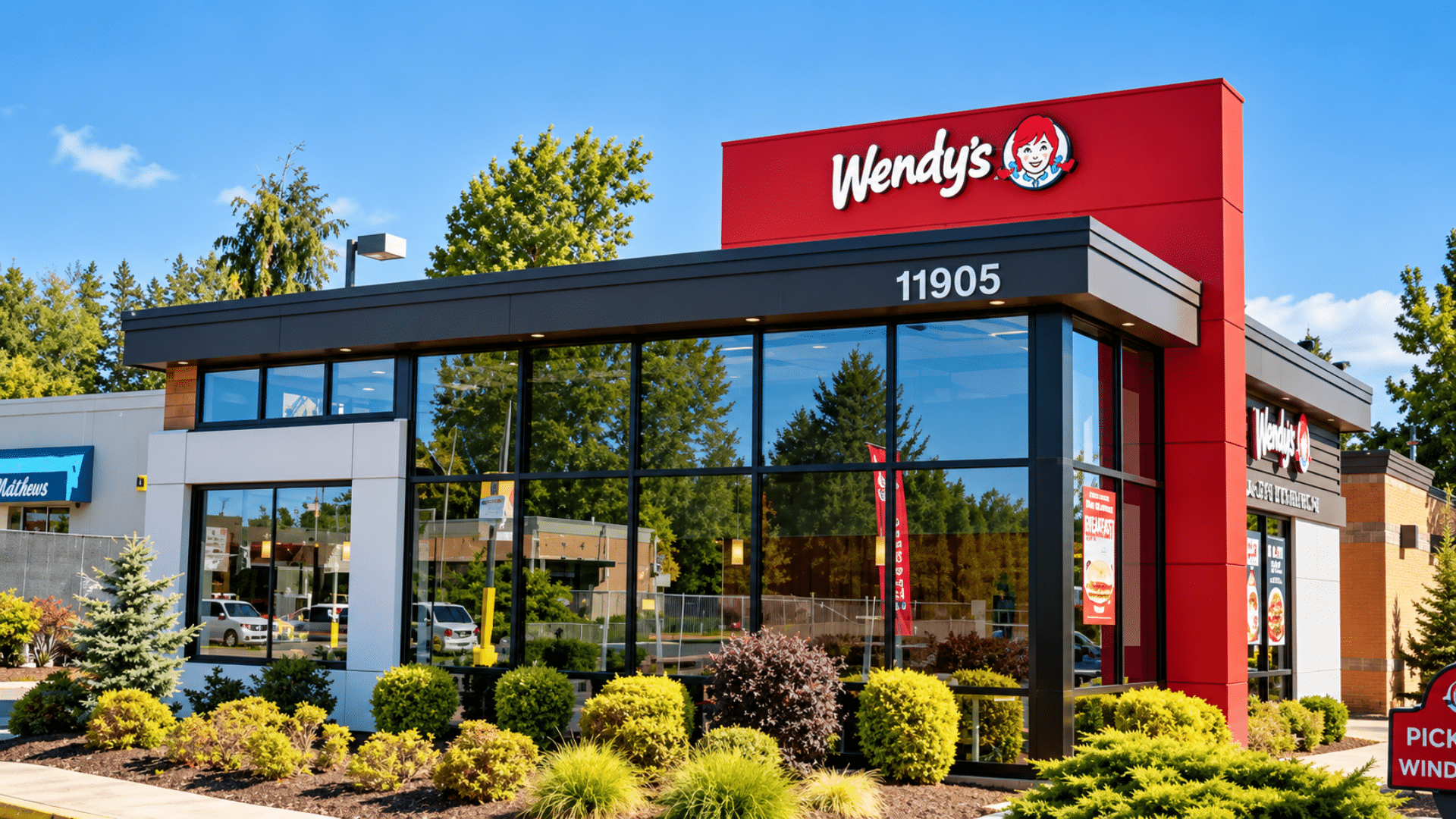
Bob Wright, a former Potbelly executive, took over as CEO ahead of the August report. Wendy’s withdrew its full-year 2026 financial outlook and cut its quarterly dividend from 14 cents to 7 cents a share. “Our traffic, our value proposition and franchisee economics are not meeting our expectations,” Wright said, according to StockTwits. Franchisees ran roughly 93% of Wendy’s U.S. restaurants at the end of 2025, and the finances of one of the biggest operators were under heavy strain.
Wendy’s Moved to Terminate One of Its Largest Franchisees, and the Operator Filed for Bankruptcy the Next Day
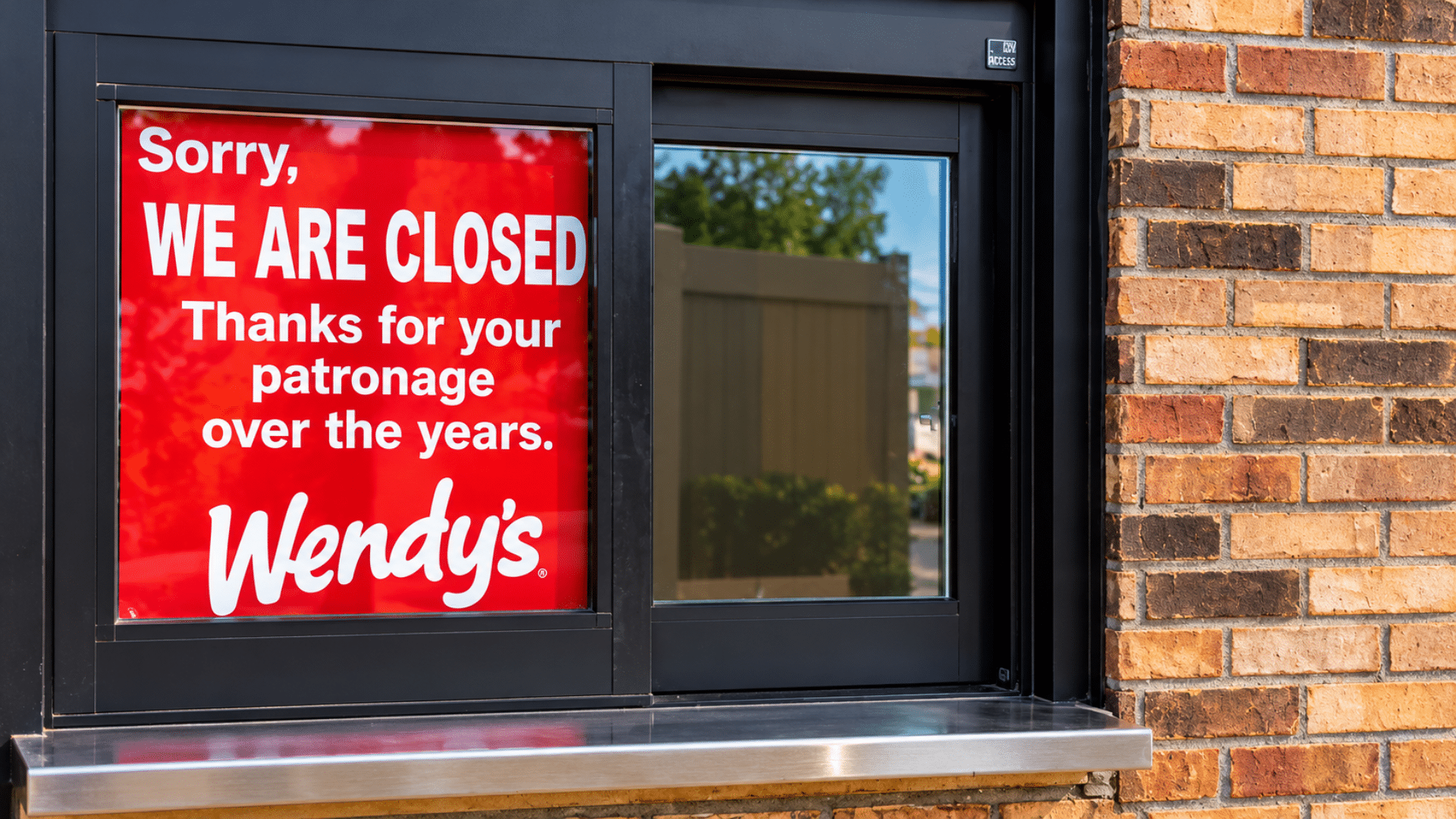
On September 16, a Wendy’s subsidiary sent Meritage Hospitality Group a notice seeking to end all of its franchise agreements immediately, according to a court declaration. Meritage, which runs 314 Wendy’s restaurants across 15 states, filed for Chapter 11 protection the next day, pausing the termination. The company disputes the notice and says its franchise rights remain valid. Court records list about $725.9 million in assets against $651.2 million in liabilities, and Meritage named several reasons for its losses.
Meritage Blamed Beef Prices, Weak Traffic and Heavy Discounting, and Had Already Closed About 60 Restaurants
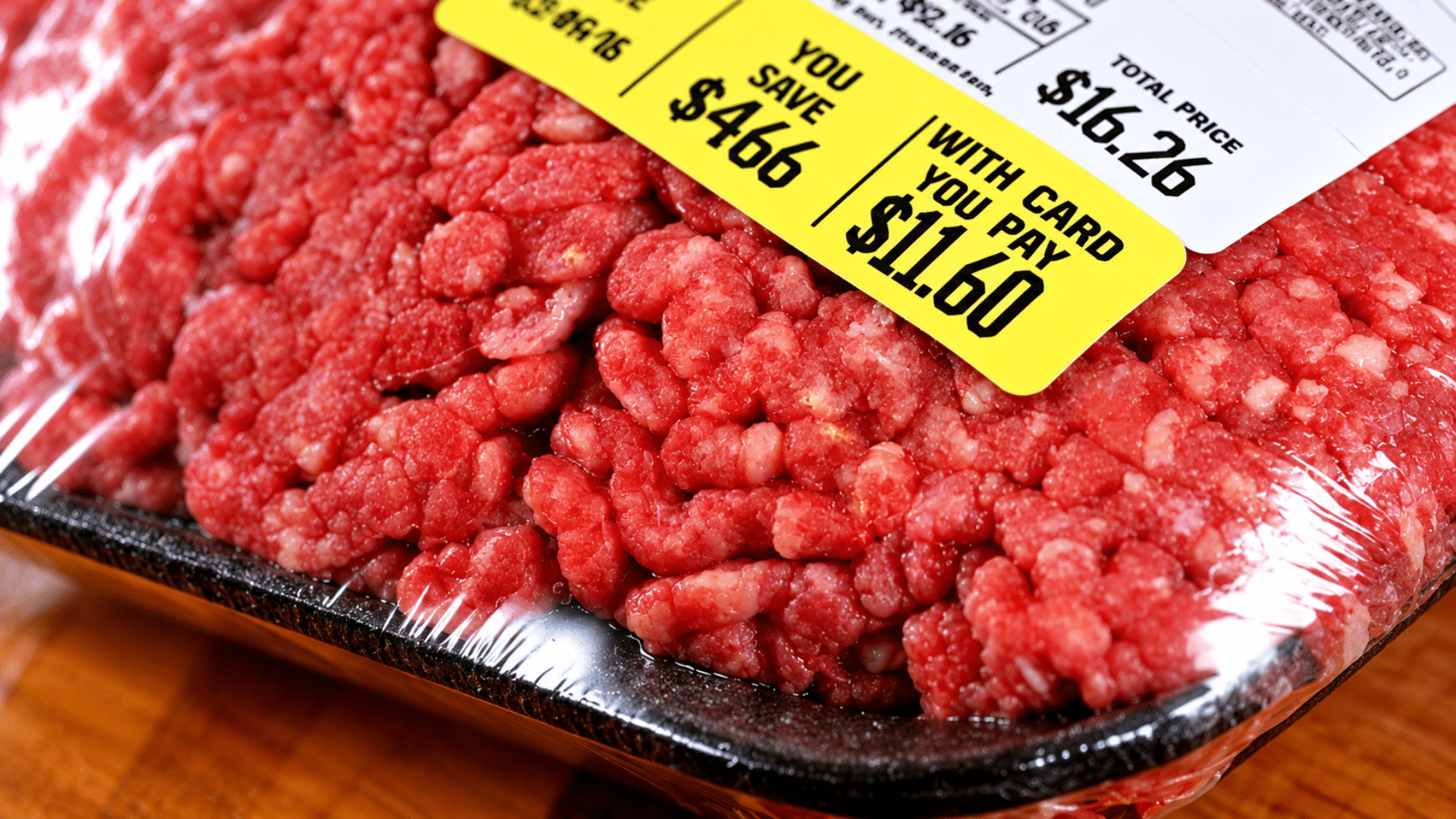
The Michigan-based operator pointed to soaring beef costs, weak customer traffic and aggressive promotional discounting that squeezed its margins. It began closing roughly 60 underperforming Wendy’s locations in late 2025 and cut or altered breakfast service at many others, moves it expected to add about $11.2 million in annual earnings. Around $137 million sat outstanding on its main credit facility. Meritage says its dining rooms will stay open, while the same pressures were reaching chains with far bigger names.
McDonald’s Reported Just 0.8% U.S. Sales Growth, and Its CEO Says Low-Income Traffic Keeps Falling
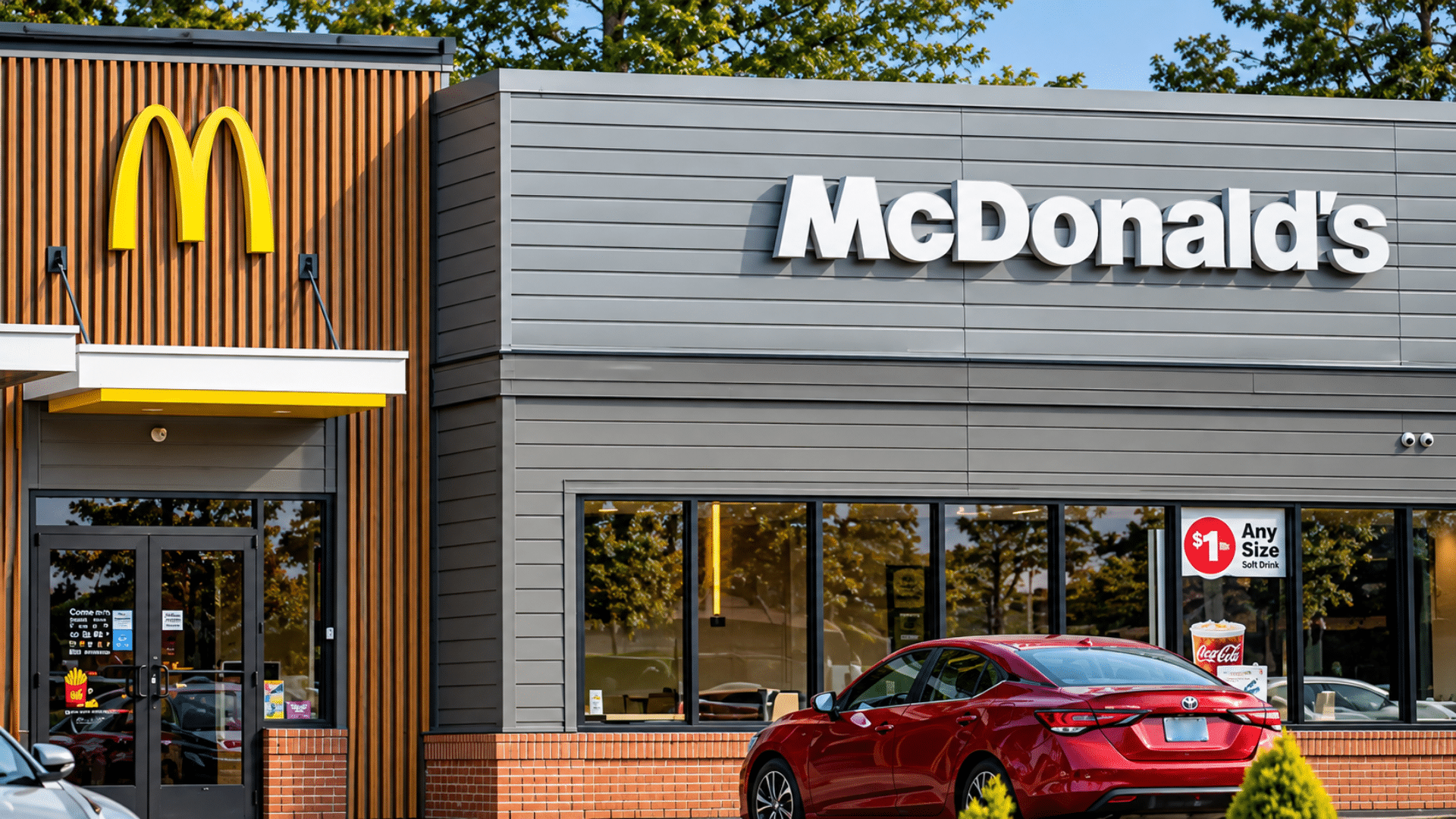
McDonald’s reported only 0.8% comparable U.S. sales growth for the second quarter, a sharp slowdown for the industry leader. CEO Chris Kempczinski told investors in May that the low-income consumer is “absolutely still declining,” citing elevated gas prices and inflation. Guggenheim analyst Gregory Francfort, cited by The Economist, estimates fast-food prices have climbed 15 to 20 percentage points faster than grocery prices over a decade. Value menus became the industry’s answer, and one chain still pulled away from the pack.
Chick-fil-A Grew Sales 5.2% to Nearly $24 Billion, but Its Average Restaurant Sold Less Than Before
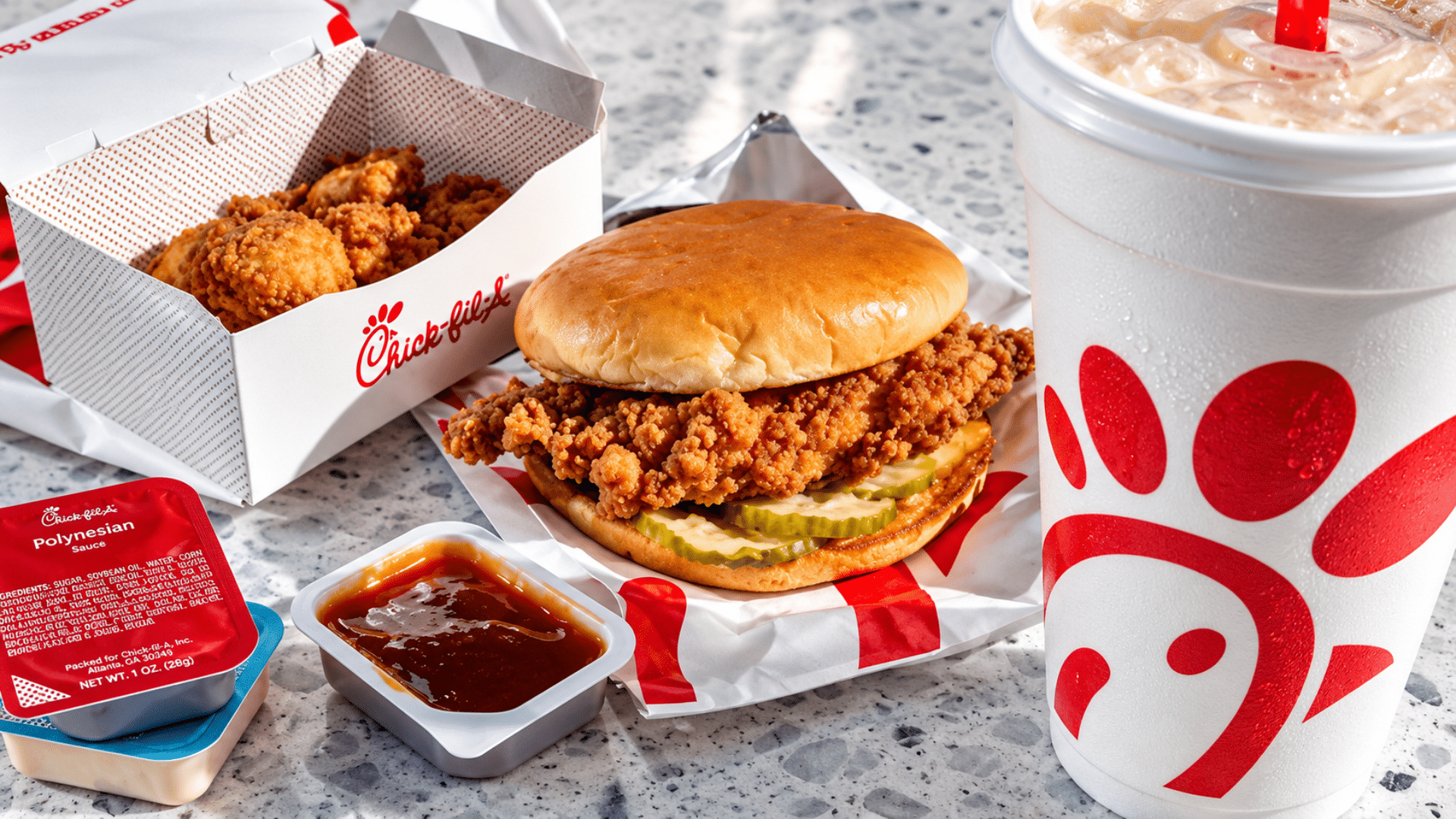
Chick-fil-A raised system sales 5.2% to nearly $24 billion in 2025 and added a net 178 restaurants, according to its franchise disclosure document. Its customers skew wealthier, with a median household income of $80,700, per Placer.ai data. A&W, another chain with a distinct identity, placed third in USA Today’s 2026 10Best Readers’ Choice ranking for fast-food fries. Even so, the average freestanding Chick-fil-A generated just under $9.2 million, a figure that slipped about 1.7% from 2024.
Wendy’s Closures Reflect a Sector Where Prices Outran Its Core Customers
Wendy’s shed 289 U.S. restaurants in six months while traffic fell 12.5% and one of its largest franchisees headed to bankruptcy court. McDonald’s growth has slowed, Chick-fil-A’s average restaurant sells less than a year ago, and lower-income diners are cutting back across the sector. The pattern describes an industry whose promise of cheap, convenient meals weakened after years of price increases. Chains with a clear identity or wealthier customers keep growing, and weaker brands in the middle absorb the losses.