What’s Happening Inside America’s Food Banks Is Showing the Side of America We Need Right Now
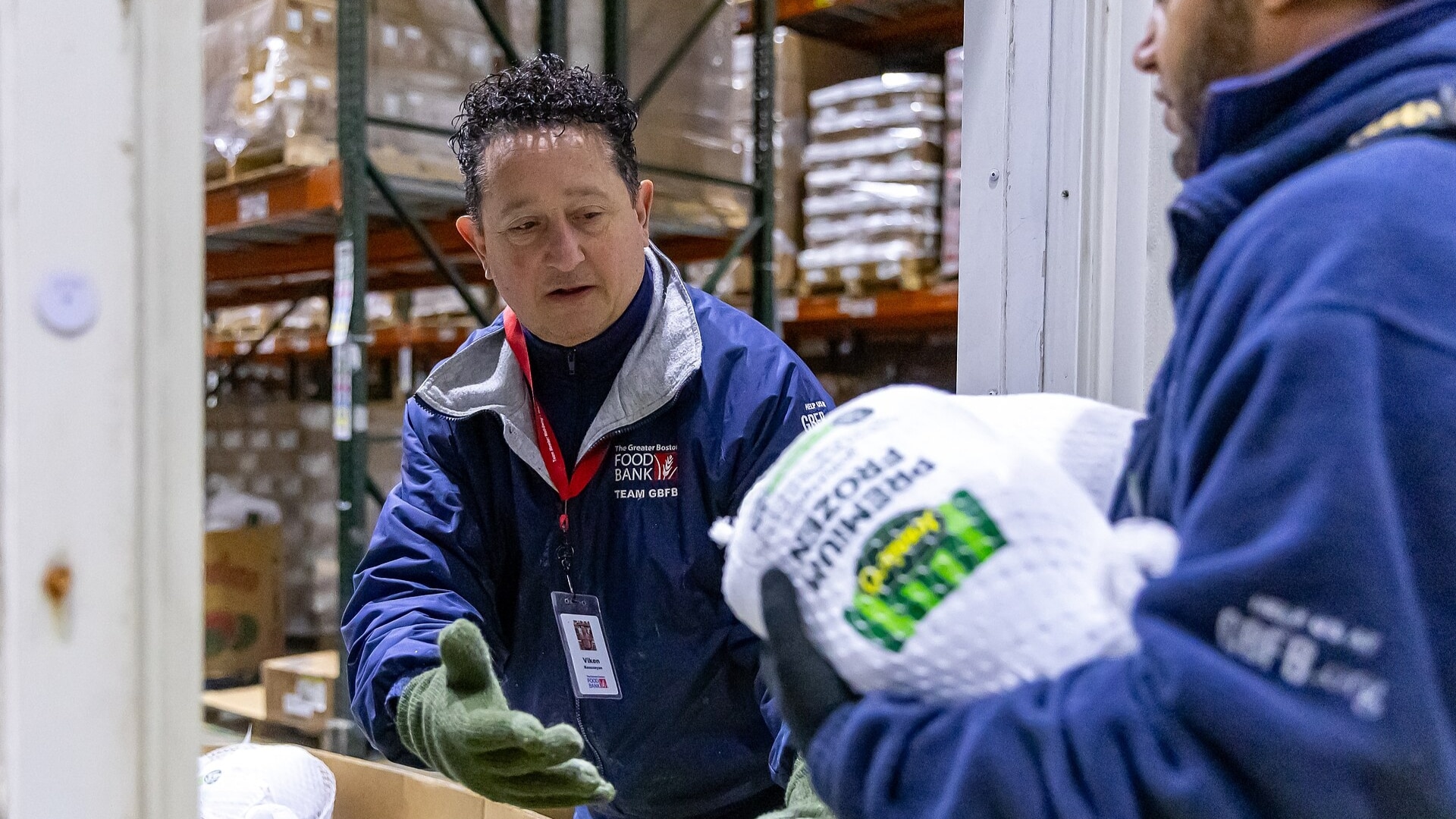

Michael Jensen spent months dreading a single word. When he signed up to volunteer at a food bank in Port Townsend, Washington, this past April, he expected to say it constantly: “no.” No, you can’t take that much. No, there isn’t enough. He pictured himself turning away hungry neighbors at the door, and the thought made him anxious before every shift.
The worry made sense. Food banks across the country have been stretched thin by climbing grocery prices, and the people running them have been warning about it for months. Jensen had read those warnings. He walked in prepared for tension, rationing and awkward standoffs over who got what. The shifts began, the doors opened, and the line of people he had been bracing for filed in.
By early fall he had written down what he found and posted it on Reddit, where it spread far beyond anything he expected. The post opened with a blunt confession about his own assumptions. “I now know what an idiot I was all those months ago,” Jensen wrote. Tens of thousands of readers upvoted it, and more than 800 of them left comments, many with stories of their own.
Hungry Clients Keep Asking Volunteers a Question No One Expected: “Are You Sure You Have Enough for Everybody?”
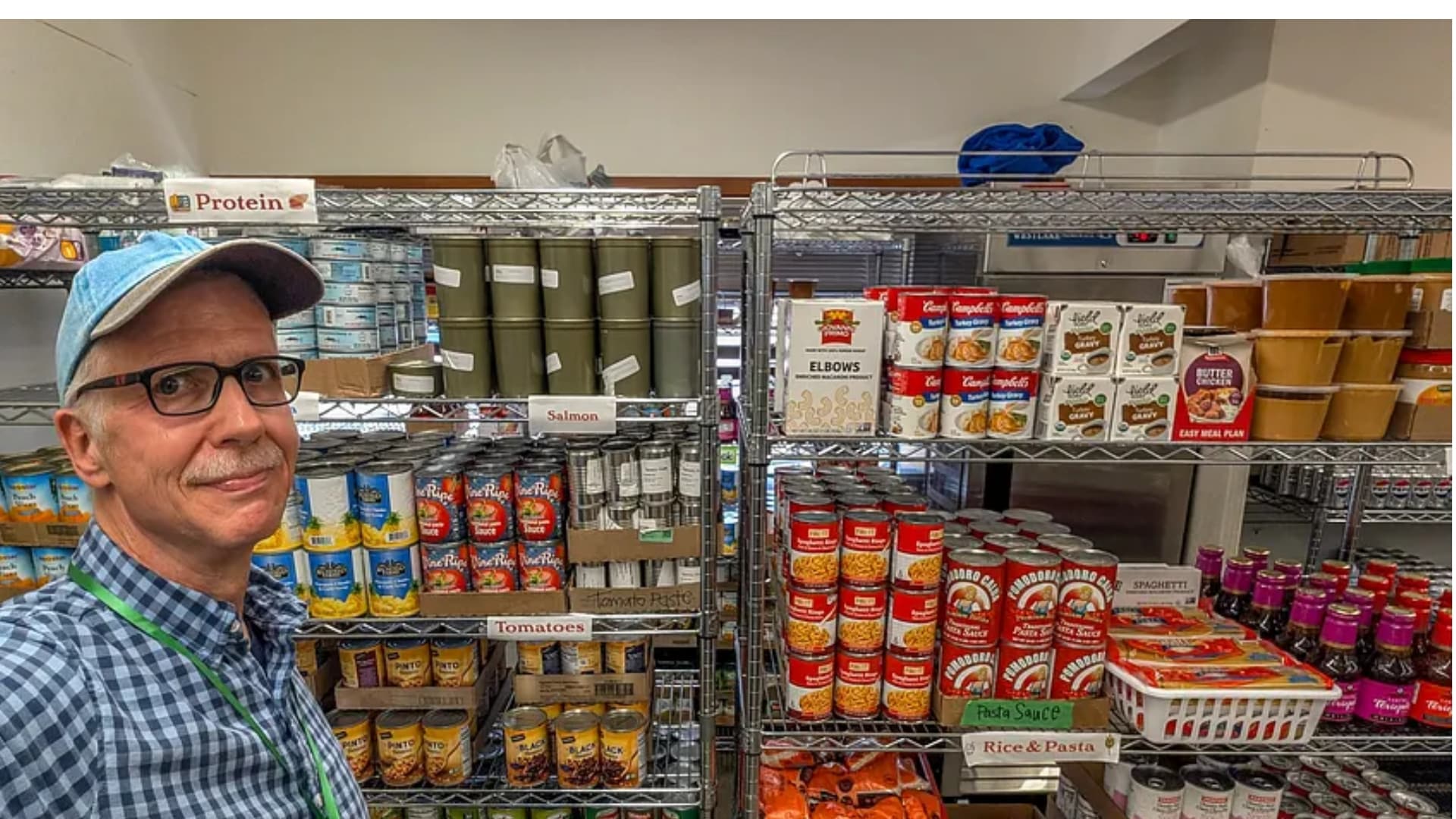
Jensen never had to turn anyone away. The opposite kept happening. Clients hesitated over full boxes and quietly tried to put items back. “People will say ‘I don’t want to take more than my share,’ and, ‘Are you sure you have enough for everybody?’” Jensen told The Washington Post. Volunteers found themselves urging people to take more, not less, even when it was obvious the shoppers needed every bit of it.
“Some folks are clearly not getting enough to eat and they’re still thinking of other people,” Jensen said. His Reddit post put it more wryly, saying the only extra portions he had received were of humble pie. He also described a belief in the basic goodness of people that had grown stronger since April. Then the replies began to pile up, and they came from every corner of the country.
One commenter had collected donations in a firefighter’s boot for years and noticed a pattern: the shabbiest cars at the intersection gave the most, and drivers apologized for not having more to offer. Another described her mother, who has little money herself, bringing home a big box from a food pantry. She keeps under a quarter of it. The rest goes to homebound seniors in her community, delivered by hand.
Food Banks Report Their Highest Demand in Years, and Many Clients Are Still Giving Back
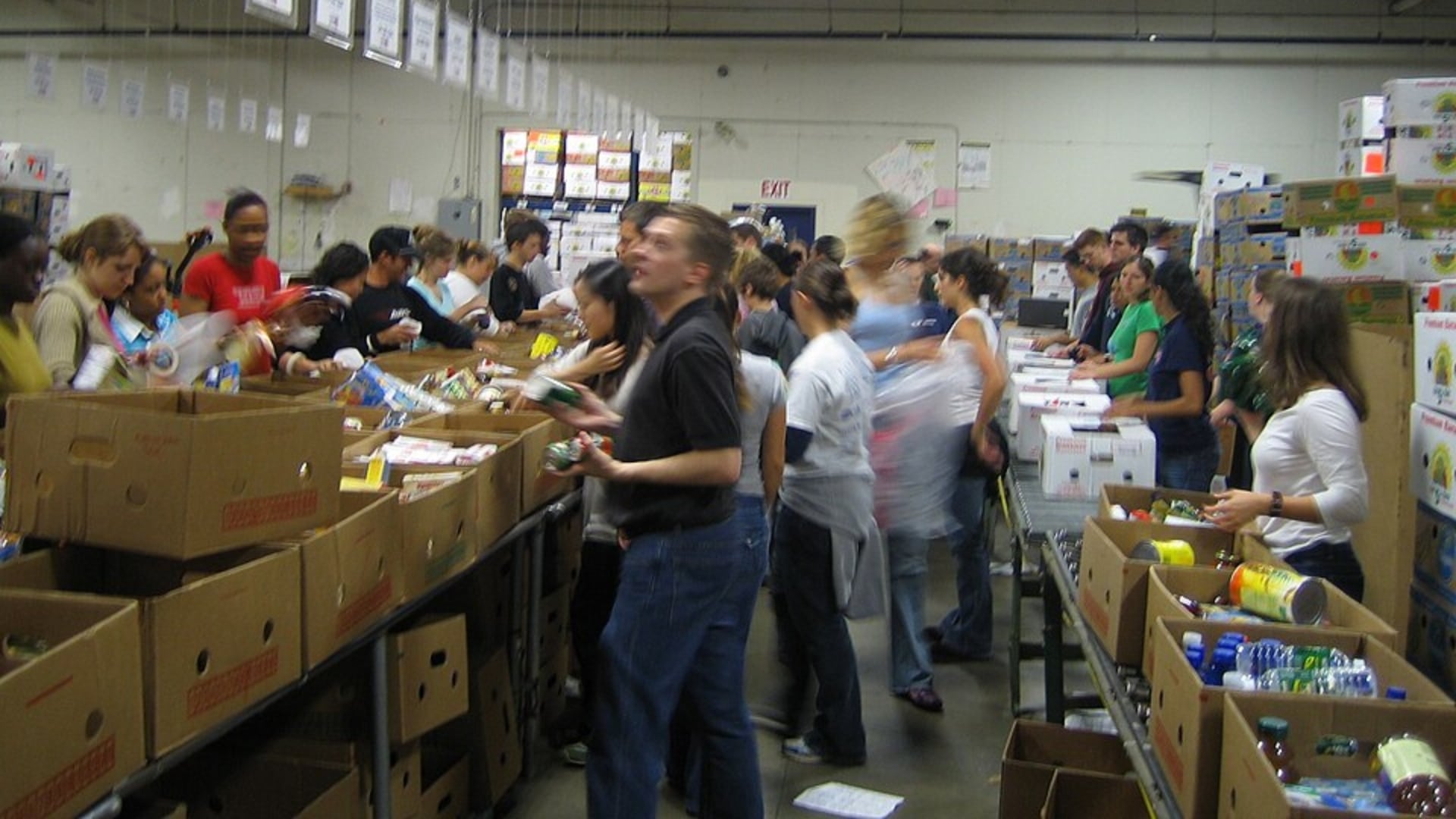
The generosity is landing at a hard moment. Feeding America, the nation’s largest network of food banks, says food insecurity is at its highest level since the Great Recession. An NBC News survey of 48 of the largest food banks, reported by the New York Times, found nearly three-quarters serving more people than a year ago. Food costs have risen roughly 30 percent since 2019, and about 5 million fewer people were enrolled in SNAP by June 2026 than a year earlier.
At the same time, the supply side is shrinking. Feeding America reports that the federal food it receives through the Emergency Food Assistance Program has dropped by about 30 percent between fiscal 2024 and 2026. Atlanta’s food bank says demand there has jumped about 70 percent over five years, with many of its clients earning too much to qualify for federal benefits. A Florida food bank served about a fifth more families this August than last.
Stephanie Sullivan, who handles communications at Food Bank for the Heartland in Nebraska, hears the same thing Jensen does, and she hears it from the people in line. Clients tell her staff, “I only come here when I absolutely need to because I know other people need this food as well.” Colton Ehn, 27, grew up using food banks. He now gives away what little he can from his budget, because, as he put it, “They know what it’s like to have nothing.”
A Berkeley Study Found People With Less Give More, and a $3,000 Surprise Showed It in Real Time
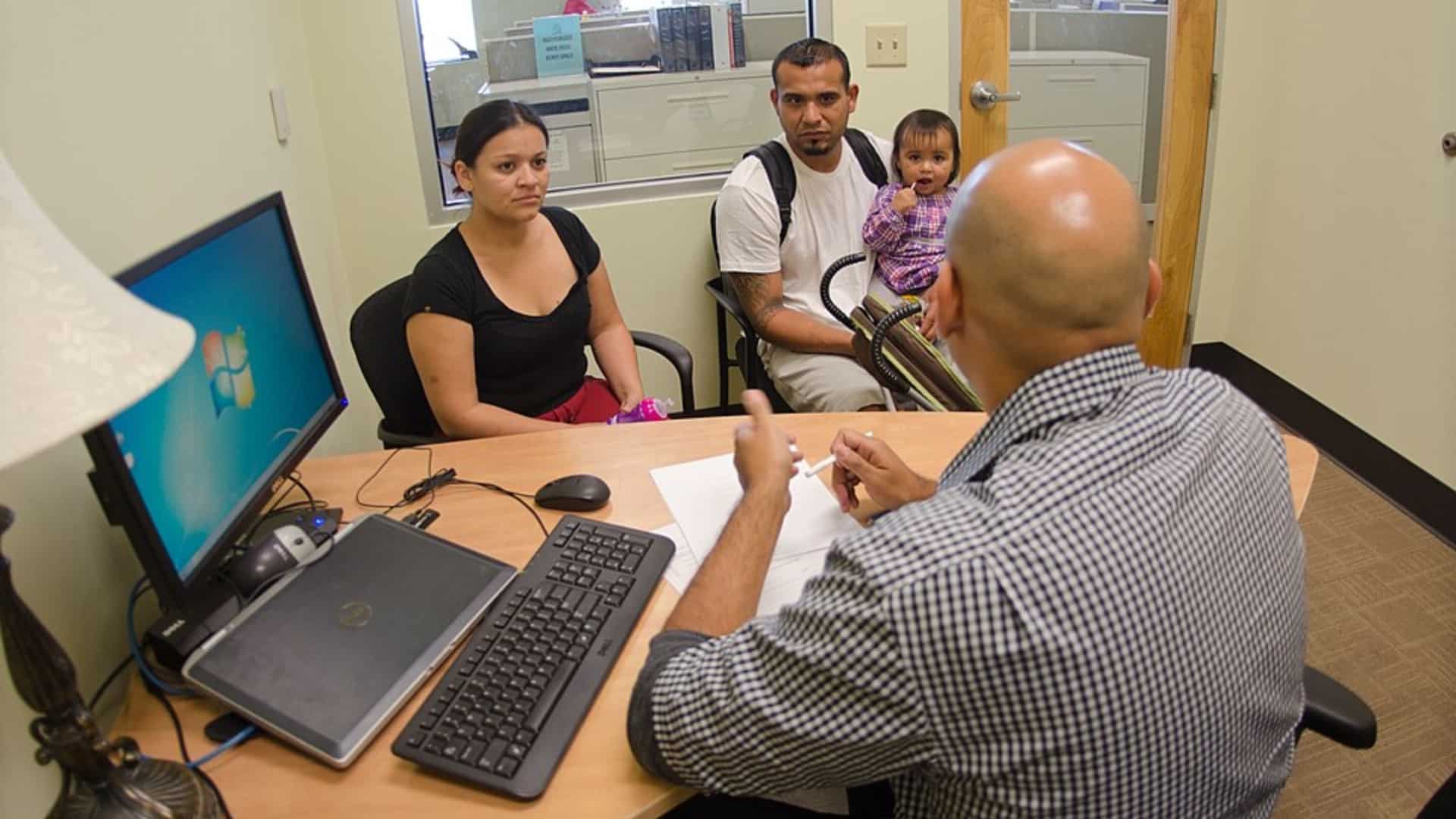
Psychologists saw this coming. A set of four studies from researchers at UC Berkeley and the University of Toronto found that lower-income participants were more generous, more charitable, more trusting and more helpful than wealthier ones. In one experiment, people who ranked lower in social class gave away 44 percent more of their points to a stranger, according to lead researcher Paul Piff. The team traced the gap to stronger feelings of compassion.
Back in Port Townsend, Sonja Mathews, vice president of the Jefferson County Food Bank Association’s board, noticed something odd in the accounts the week after Jensen’s post went viral. About $3,000 in online gifts had arrived, enormous for the organization, and nearly all of it came in tiny amounts. Strangers who had read the thread were sending a few dollars at a time. Mathews had always chalked her town’s closeness up to its size.
Then she read the comments and changed her mind. “Oh, this magic is everywhere,” Mathews said. The thread had shown her that the pattern she saw at home was playing out in towns she would never visit. In Jefferson County, the line between giver and receiver barely exists. Most of the people who staff the county’s food banks are volunteers, and many of them are also clients who walk in when money runs short.