Your “Normal” Cholesterol and Blood Pressure Levels May No Longer Be Considered Normal Today


What if the numbers your doctor once called “normal”… quietly stopped being safe? Cholesterol. Blood pressure. For years, these numbers have been used as a kind of reassurance. Now, new medical guidance suggests that what once looked fine may not be enough to protect your heart long term.
A Subtle but Important Shift

New recommendations from leading heart organizations are pushing people to aim for lower cholesterol and blood pressure levels while also encouraging earlier and more consistent monitoring. What used to fall within an acceptable range may now be seen as a starting point for risk rather than a sign of safety.
Why the Definition of “Normal” Changed

That approach has shifted. Doctors now understand that heart disease develops slowly over many years. Plaque can begin forming in arteries as early as the teenage years, building up quietly without symptoms. By the time numbers look “high,” the process may already be well underway.
Cholesterol: Lower Than Before
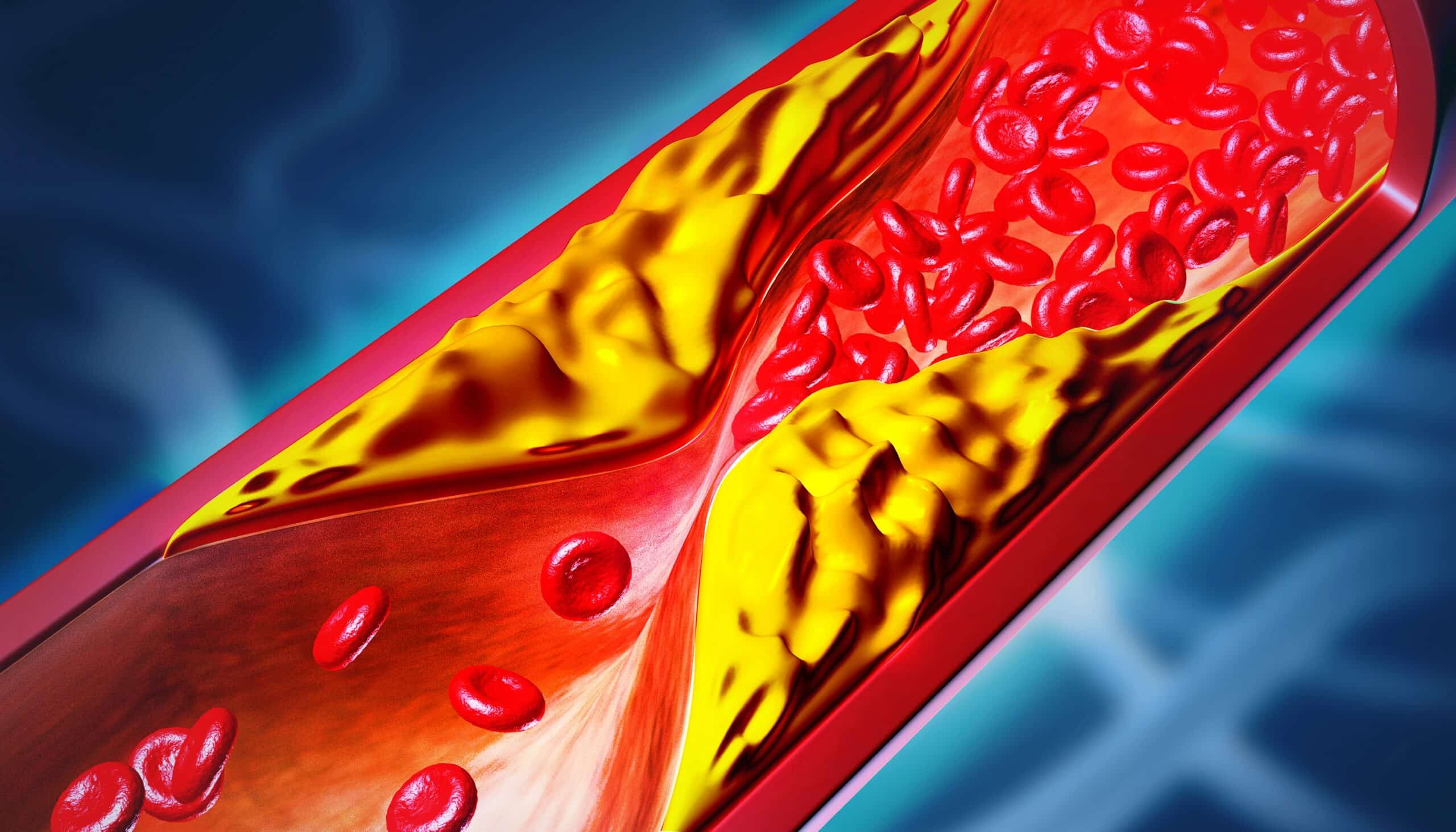
The updated guidance sets a clearer expectation: lower cholesterol levels offer better protection. For most people, keeping LDL cholesterol under 100 is now the general goal. Those with higher risk are encouraged to aim even lower, sometimes down to 70 or even 55 depending on their health profile. This reflects growing evidence that even moderate elevations can contribute to long-term damage.
Blood Pressure: A Moving Target
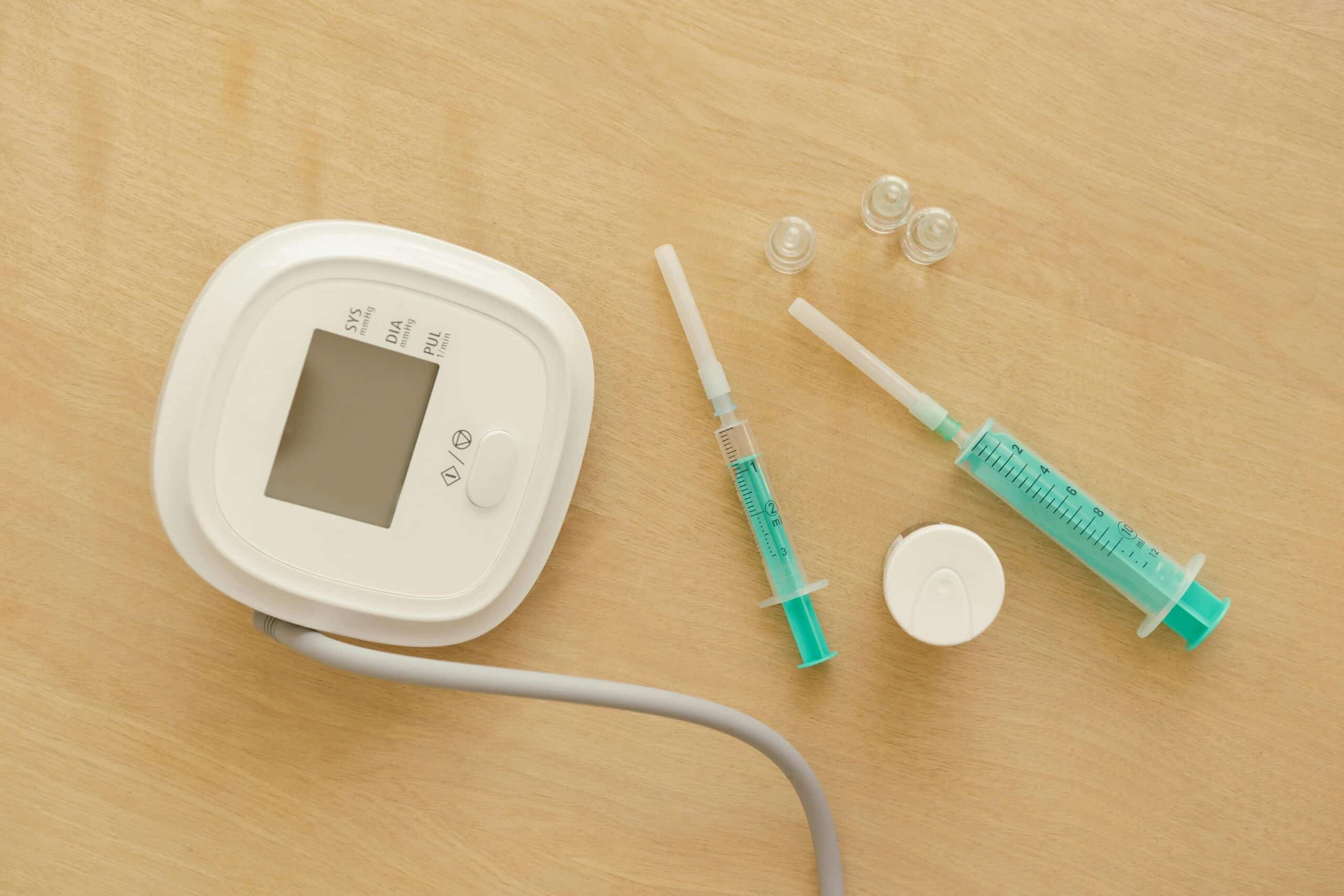
Blood pressure guidelines have also shifted in a noticeable way. A reading around 130 over 80 used to be considered acceptable. Now, experts say the ideal target is closer to 120 over 80 or lower. That adjustment may seem small, but it changes how millions of people are classified when it comes to heart risk.
Earlier Screening Matters More Now

Another key change is timing. Instead of waiting until middle age, doctors now encourage earlier tracking of heart health. Risk assessments can begin as early as age 30, and cholesterol checks may start in late childhood. This approach treats heart health as something that builds over a lifetime rather than something that appears later on.
Health Is More Personal Than Numbers

Your health is no longer judged by a single number alone. Doctors now look at a broader picture that includes family history, lifestyle habits, and underlying conditions. They may also consider genetic factors like lipoprotein(a), which can quietly increase risk even when standard cholesterol levels look normal. Two people with similar readings may now receive very different advice.
Why Lower Often Means Safer
Years of research continue to point in the same direction. Lower cholesterol levels reduce the likelihood of heart attacks and strokes. Lower blood pressure helps protect both the heart and the brain over time. Even gradual improvements can lead to meaningful reductions in long-term risk. These evidences are what continues to push these targets downward.
What This Means in Everyday Life

For many people, this shift does not mean something is wrong. It means the definition of “okay” has changed. Numbers that once brought peace of mind may now signal an opportunity to act earlier. That might involve adjusting habits, monitoring more closely, or starting treatment sooner than before. The focus is no longer just on fixing problems, but on preventing them.
The Real Takeaway

“Normal” is not a fixed line. It evolves as science improves. What these changes show is that heart disease is rarely sudden. It builds over time, often quietly, and often preventable. Looking ahead, the goal is not just to stay within a range, but to stay ahead of risk. Because the future of heart health is not about reacting later, but about acting earlier—before problems have a chance to take hold.