National Cattle Shortage Threatens The Future Of Texas Independent Barbecue Spots
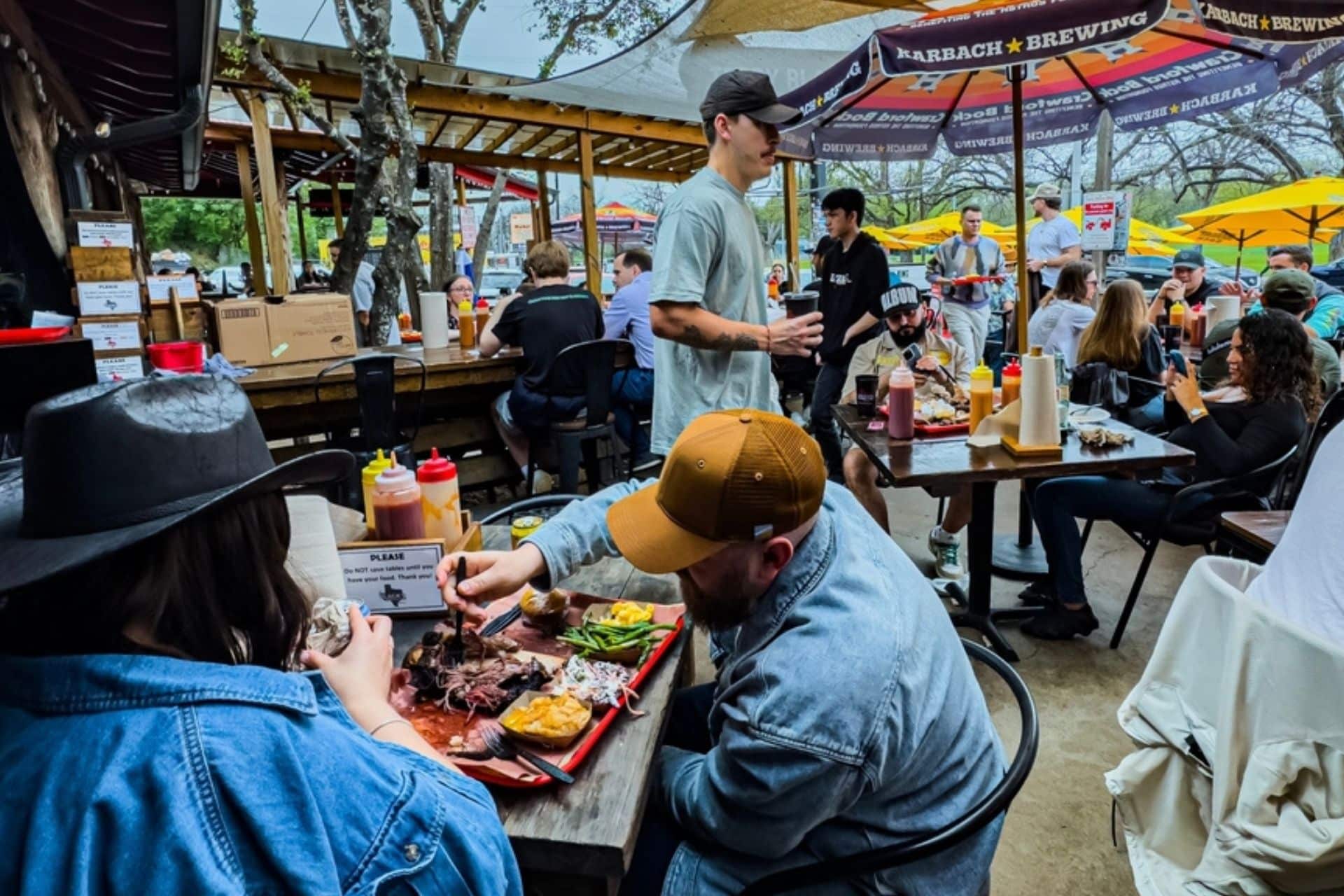

Texas barbecue has long been defined by abundance. From roadside smokehouses to nationally acclaimed pitmasters, brisket has served as both a culinary symbol and a cornerstone of the state’s food culture. Today, however, many independent barbecue operators say that tradition is under pressure from forces far beyond the smoker.
Across Texas, restaurant owners are grappling with soaring beef prices driven by a national cattle shortage that has reduced the U.S. herd to its lowest level in roughly 75 years. According to USDA market outlook projections, cattle supplies remain constrained and prices are expected to stay elevated through 2026 and into 2027 as herd rebuilding continues to lag demand.
The effects are being felt most acutely by small barbecue businesses whose identities are tied directly to brisket. Unlike many restaurants that can substitute ingredients or alter menus, Texas barbecue joints often have limited flexibility. Brisket remains the centerpiece of customer expectations, even as the economics behind it become increasingly difficult to sustain.
For many pitmasters, the challenge is no longer simply maintaining profits. It is preserving a business model built around a product that has become dramatically more expensive in a short period of time.
Rising Costs Push Smokehouses to the Brink
The financial pressure facing barbecue operators has intensified over the past year. Houston pitmaster Russell Roegels, owner of Roegels Barbecue Co., described the situation bluntly in comments reported by The Washington Post: “This is as bad as it gets. Everybody’s at risk these days. You’re one bad week from closing.”
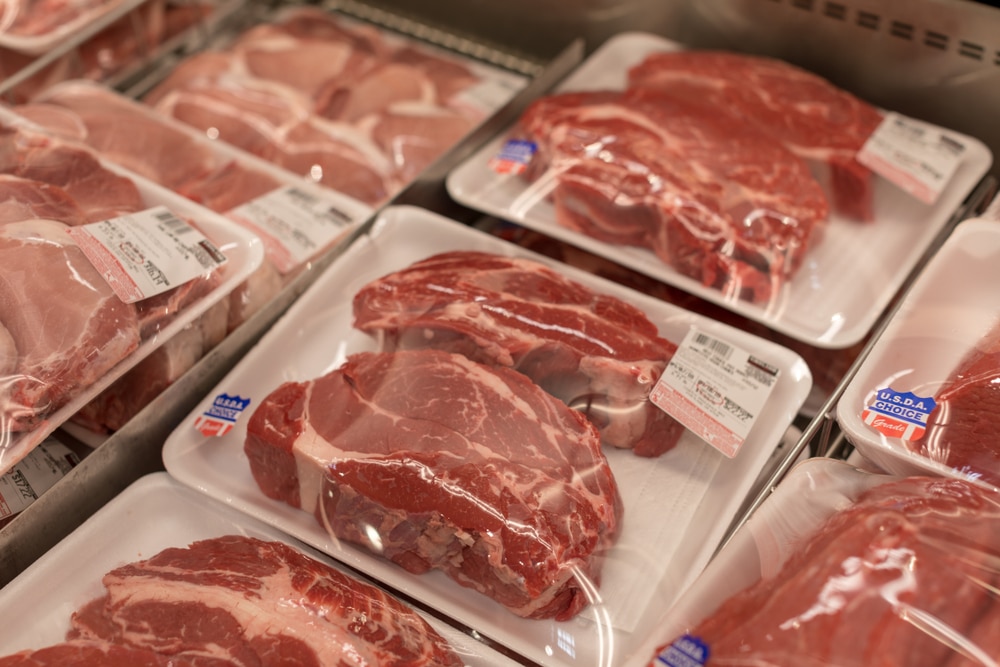
Roegels said the wholesale price he pays for brisket climbed 28% over the past year, forcing menu increases that he worries could eventually drive customers away. His concerns are increasingly shared across the industry as beef prices continue reaching new highs.
Several well-known Texas barbecue businesses have already closed. Among them are Brett’s BBQ Shop, Kirby’s BBQ, Sabar BBQ, and Wright On Taco & BBQ. Shawn Jones, owner of Kirby’s BBQ, cited “absolutely insane” brisket prices when announcing the closure of his restaurant. He warned that a family barbecue meal can now easily cost between $70 and $100 once sides and additional meats are included, a price point that many middle-class customers cannot regularly afford.
Even highly regarded destinations are feeling the strain. Burnt Bean Co., ranked by Texas Monthly as the state’s top barbecue restaurant, recently increased brisket prices to around $38 per pound. Owner Ernest Servantes said the restaurant has been operating in “survival mode” for the past year and has considered limiting brisket availability because margins have become so thin.
The problem extends beyond beef itself. Operators point to higher labor costs, packaging expenses, insurance, fuel surcharges, and inflation throughout the supply chain. Together, those pressures have created an environment where even successful restaurants struggle to absorb additional increases.
The Shrinking Herd Behind the Price Surge
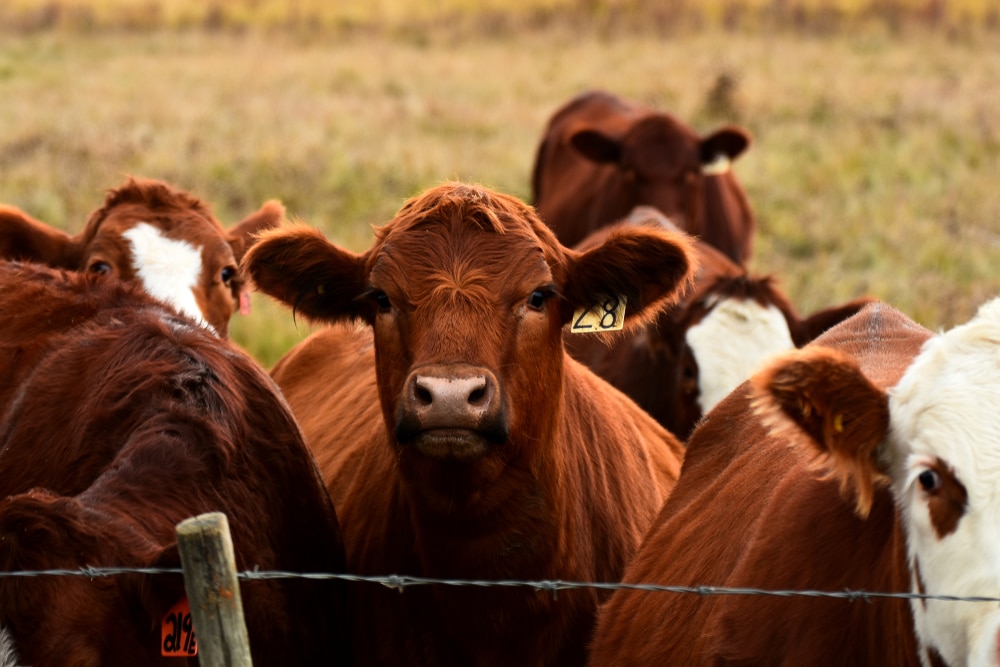
The barbecue industry’s troubles originate on ranches across the country. Years of drought, rising feed costs, disease concerns, and mounting operational expenses have reduced cattle inventories to levels not seen since the early 1950s.
USDA data shows only 86.2 million cattle and calves remained on American farms at the beginning of 2026, the smallest inventory in 75 years. Economists and livestock specialists note that rebuilding herds is a lengthy biological process that cannot be accelerated quickly. From breeding to market-ready cattle can take well over two years, meaning relief is unlikely to arrive soon.
At the same time, consumer demand for beef has remained resilient despite inflation. Americans continue purchasing beef at levels that keep pressure on already-limited supplies. USDA forecasts suggest production will decline further in 2027 while cattle prices are expected to reach new highs as inventories remain constrained.
Additional concerns have emerged along the southern border, where livestock producers are monitoring the threat of New World screwworm, a flesh-eating parasite capable of devastating cattle populations. While not currently responsible for the shortage, ranchers fear any disruption to herds could further tighten supply and drive prices higher.
The imbalance between demand and available cattle has transformed beef into one of the most expensive categories in many grocery stores and restaurants. For barbecue operators whose businesses depend on brisket, that imbalance has become increasingly difficult to manage.
A Changing Future for Texas Barbecue
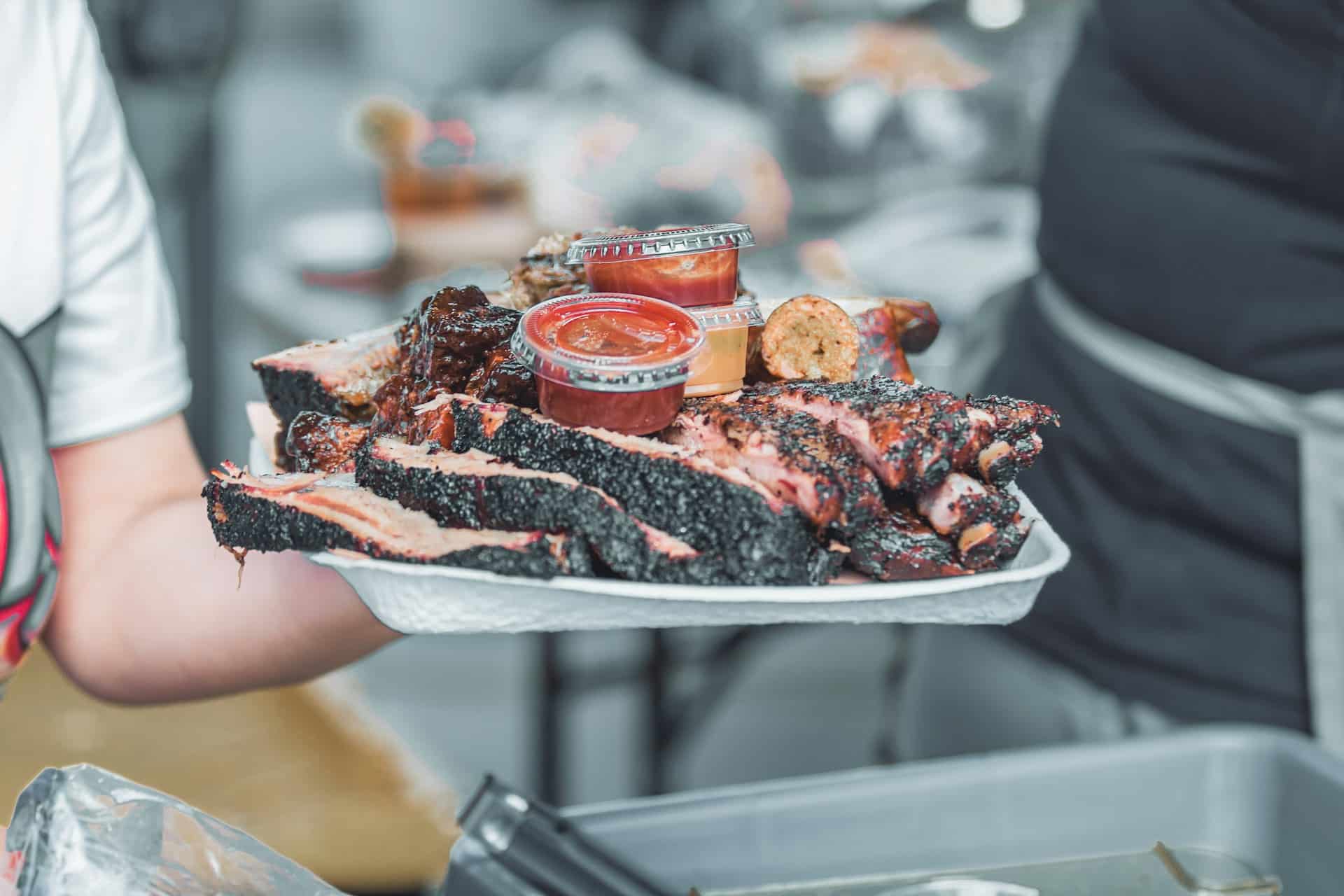
The current crisis is prompting many pitmasters to rethink how Texas barbecue operates. Some restaurants are experimenting with alternative cuts such as beef cheek, while others are emphasizing pork, sausage, tacos, or dishes made from brisket trimmings. Operators are also finding creative ways to use every part of the animal in an effort to offset costs.
Yet many industry leaders worry the changes could extend beyond menu adjustments. Texas barbecue developed through distinct regional traditions, from East Texas chopped beef sandwiches to Hill Country brisket and South Texas influences. As independent smokehouses close and menus become more standardized, some fear those local identities could gradually disappear.
Speaking to KBTX, Texas Restaurant Association CEO Emily Williams Knight said independent barbecue operators are especially vulnerable because brisket remains the primary draw for customers. “If you’re a barbecue restaurant, you don’t really have anywhere to move,” she said, noting that smaller smokehouses often lack the flexibility available to larger restaurant groups.
At the same time, policymakers are searching for solutions. The Trump administration has explored measures aimed at increasing beef imports and supporting ranchers rebuilding herds, while state and federal officials have examined concerns about market concentration among major meatpacking companies. Industry critics argue that a handful of large processors exert outsized influence over pricing throughout the supply chain.
For now, most pitmasters remain committed to preserving Texas barbecue despite the uncertainty. Many believe customers will continue seeking brisket even as prices climb. The question facing the industry is whether enough independent smokehouses can survive long enough to see relief arrive.
The answer may determine not only the future of hundreds of small businesses, but also the future shape of one of Texas’ most recognizable cultural traditions.